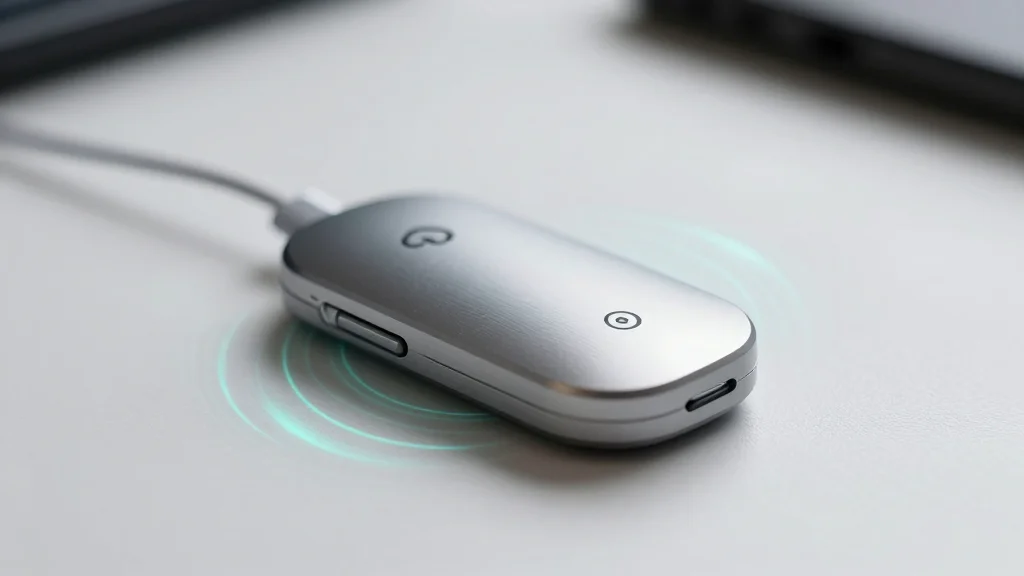
AI‑Enabled Personal Emergency Response Systems Market Forecast to Reach $11.5 B by 2035

Why It Matters
The projected $11.5 billion market size positions AI‑enabled PERS as one of the fastest‑growing segments in consumer health tech. By embedding advanced analytics into wearable devices, companies can tap into a demographic that is both tech‑savvy and increasingly health‑conscious. The growth of mobile PERS also blurs the line between traditional medical devices and mainstream consumer wearables, expanding the addressable market for firms that have historically focused on fitness trackers or smart watches. For insurers and healthcare systems, the expansion of AI‑driven emergency response promises lower acute‑care costs and improved patient outcomes. The shift toward home‑based care aligns with broader policy goals to reduce hospital overcrowding, making PERS a strategic component of national health‑care reform agendas in both developed and emerging economies.
Key Takeaways
- •Global PERS market projected to reach $11.5 B by 2035, up from $6.2 B in 2025 (CAGR 6.3%)
- •Mobile PERS devices hold 54.3% of 2025 market revenue, driven by AI fall‑detection and GPS
- •Home healthcare accounts for 61.8% of market share, integrating PERS with telehealth and smart‑home tech
- •India leads growth with a 7.2% CAGR, outpacing the global average
- •The sector offers a $5.3 B incremental revenue opportunity over the next decade
Pulse Analysis
The forecasted surge in AI‑enabled PERS reflects a broader pivot in consumer tech from lifestyle augmentation to critical health infrastructure. Historically, wearables have been marketed on fitness and convenience; the next frontier is life‑saving functionality that can be monetized through recurring service fees. Companies that can combine robust AI models with low‑latency connectivity will capture the premium segment of the market, while those that rely on legacy hardware risk obsolescence.
Competitive dynamics are also shifting. Traditional medical‑device manufacturers face new entrants from the consumer‑electronics space, where brand loyalty and ecosystem lock‑in are already strong. Partnerships between device makers and telehealth platforms could become the decisive factor, as integrated data flows enable predictive analytics and proactive care pathways. Moreover, regulatory scrutiny around data privacy and medical‑device certification will intensify, compelling firms to adopt transparent AI governance frameworks.
Looking ahead, the $5.3 billion incremental opportunity signals that investors will likely fund a wave of M&A activity, targeting AI startups that specialize in motion‑analysis, edge‑computing and health‑data interoperability. The convergence of AI, wearables and home‑care policy creates a fertile environment for innovation, but success will hinge on delivering reliable, user‑friendly solutions that meet both clinical standards and consumer expectations.
AI‑Enabled Personal Emergency Response Systems Market Forecast to Reach $11.5 B by 2035
Comments
Want to join the conversation?
Loading comments...