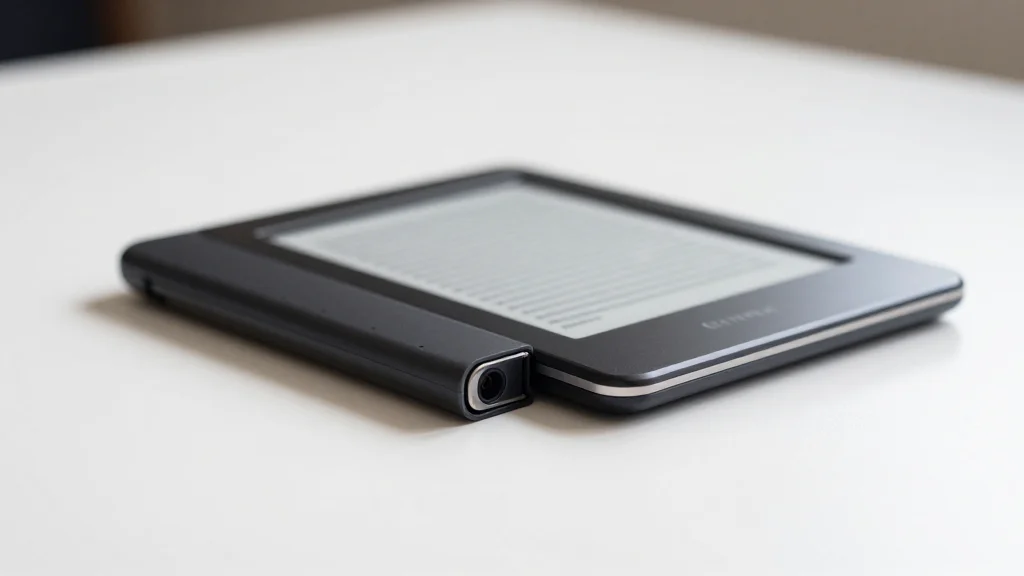
Amazon Rumored to Add User‑Replaceable Batteries to Next‑Gen Kindle E‑Readers

Companies Mentioned
Why It Matters
User‑replaceable batteries would address a long‑standing pain point for Kindle owners, potentially extending device lifespans and reducing electronic waste. The change also signals Amazon’s response to mounting regulatory pressure in the EU, where right‑to‑repair rules are reshaping product design across the consumer tech sector. Finally, the move could influence competitive dynamics, forcing rivals to accelerate their own repair‑friendly initiatives or risk losing market share among environmentally conscious readers. Beyond the immediate hardware tweak, the story underscores a broader shift: manufacturers are increasingly forced to balance planned obsolescence with consumer demand for longevity. As e‑readers become a staple for education, travel, and professional use, the ability to replace a battery without sending the device back to the factory could become a decisive factor in brand loyalty.
Key Takeaways
- •Amazon’s leaked Kindle 5.19.4 firmware referenced a battery replacement kit and QR code before being pulled.
- •Support for all Kindle models released before 2012 ends on May 20, disabling new purchases and the Send to Kindle feature.
- •EU right‑to‑repair law, effective Feb 2027, will require easy battery replacement for consumer electronics sold in the bloc.
- •Users have begun jailbreaking older Kindles to install third‑party readers like KOReader, risking security and piracy issues.
- •If implemented, replaceable batteries could extend Kindle lifespans, reduce e‑waste, and pressure competitors to adopt similar designs.
Pulse Analysis
Amazon’s rumored battery redesign is more than a technical footnote; it reflects a strategic pivot in how the company manages product lifecycles. Historically, Amazon has leveraged the Kindle’s closed ecosystem to drive repeat purchases—new hardware, subscription services, and content sales. By offering a user‑replaceable battery, Amazon acknowledges that the cost of forcing upgrades may outweigh the benefits of a captive hardware base, especially as regulatory scrutiny intensifies.
The timing is critical. The EU’s right‑to‑repair directive will soon make sealed batteries a compliance risk, and early adopters can claim a first‑mover advantage. Amazon’s potential kit could be priced to recoup engineering costs while still appearing consumer‑friendly, a delicate balance that will be watched by both regulators and competitors. Kobo, for instance, already markets its e‑readers as more repairable; Amazon’s move could narrow that differentiation, forcing Kobo to double‑down on other features like format support or pricing.
From a market perspective, the battery fix may not fully mitigate the fallout from ending support for legacy devices. Power users who have invested in extensive personal libraries may view the loss of cloud purchasing and Send to Kindle as a deal‑breaker, prompting a shift toward open‑source platforms or alternative hardware. However, for the broader casual reader, a simple battery swap could be enough to keep the Kindle relevant, preserving Amazon’s dominance in the e‑reading space. The next few months will reveal whether the rumor matures into a product launch, and if so, how it reshapes the balance between planned obsolescence and sustainable consumer tech.
Amazon Rumored to Add User‑Replaceable Batteries to Next‑Gen Kindle E‑Readers
Comments
Want to join the conversation?
Loading comments...