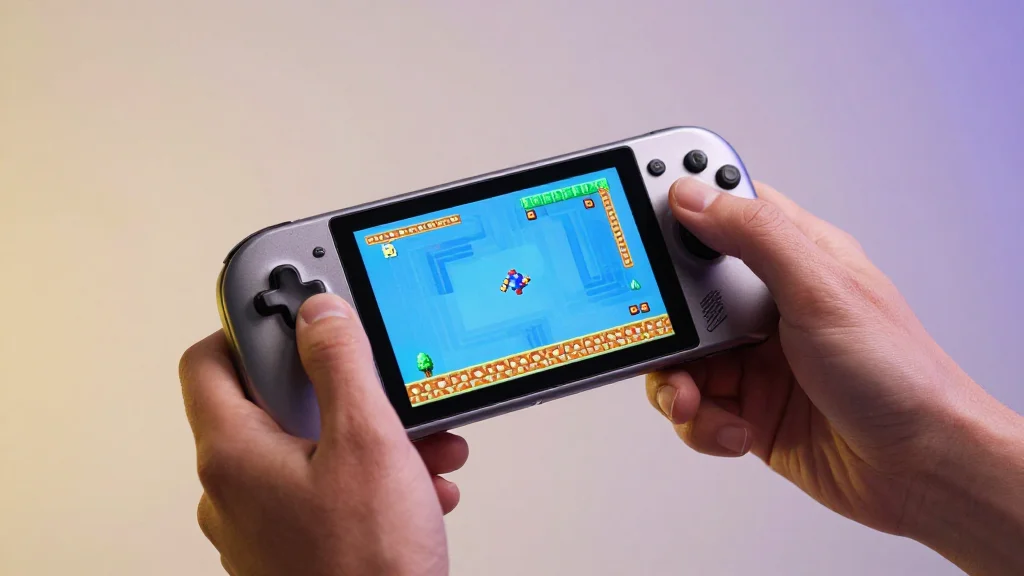
Anbernic Launches Sub‑$100 RG Rotate Handheld with Rotating Screen for Retro Gamers

Companies Mentioned
Why It Matters
The RG Rotate lowers the financial barrier to high‑quality retro gaming, potentially expanding the consumer base beyond hobbyists to casual players who view classic titles as a low‑cost entertainment option. Its rotating screen solves a usability issue that has limited earlier square‑screen handhelds, making more games look natural without sacrificing portability. By pricing the device under $100, Anbernic challenges established players in the handheld market and forces competitors to reconsider pricing and form‑factor strategies. The launch also signals that manufacturers see sustained demand for retro emulation hardware, encouraging further innovation in affordable, Android‑based gaming devices.
Key Takeaways
- •Pre‑order starts May 11; base model priced at $87.99, premium at $107.99
- •Features a 3.5‑inch 720 × 720 rotating LCD touchscreen
- •Runs Android 12 on a Unisoc Tiger T618 octa‑core CPU with 3 GB RAM
- •Capable of emulating PS1, N64 and some GameCube titles
- •Battery life up to five hours; Bluetooth audio support
Pulse Analysis
Anbernic’s RG Rotate arrives at a moment when the retro gaming niche is maturing from a hobbyist fringe into a mainstream consumer segment. The sub‑$100 price point is a deliberate move to capture price‑sensitive shoppers who might otherwise settle for mobile phone emulators or older, less capable devices. By integrating a rotating screen, Anbernic addresses a design flaw that has hampered user experience on square‑screen handhelds, potentially setting a new baseline for future budget devices.
Historically, the handheld market has been dominated by premium offerings—Nintendo’s Switch line, for example, commands a $200‑plus price tag. Anbernic’s strategy mirrors the broader consumer tech trend of delivering functional, stripped‑down hardware at aggressive price points, akin to the rise of budget smartphones in emerging markets. If the RG Rotate can deliver reliable performance and a smooth emulation experience, it could force larger players to introduce lower‑cost variants or add rotating‑screen options to their lineups.
The device’s Android foundation is a double‑edged sword. On one hand, it grants users access to a vast app ecosystem, enabling media playback, streaming, and even cloud gaming services. On the other, it introduces potential software fragmentation and security concerns that could deter more tech‑savvy consumers. The five‑hour battery, while adequate for short sessions, may limit appeal for longer play periods, especially compared with competitors that tout eight‑plus hour runtimes.
Looking forward, the RG Rotate’s success will hinge on community reception, firmware support, and the ability of Anbernic to scale production without compromising quality. Should the device sell out quickly, it could validate the demand for ultra‑affordable, feature‑rich retro handhelds and spark a wave of similar products from other manufacturers. Conversely, if performance or battery life falls short of expectations, the market may retreat to higher‑priced, higher‑spec devices. Either outcome will shape the next phase of consumer tech in the retro gaming arena.
Anbernic launches sub‑$100 RG Rotate handheld with rotating screen for retro gamers
Comments
Want to join the conversation?
Loading comments...