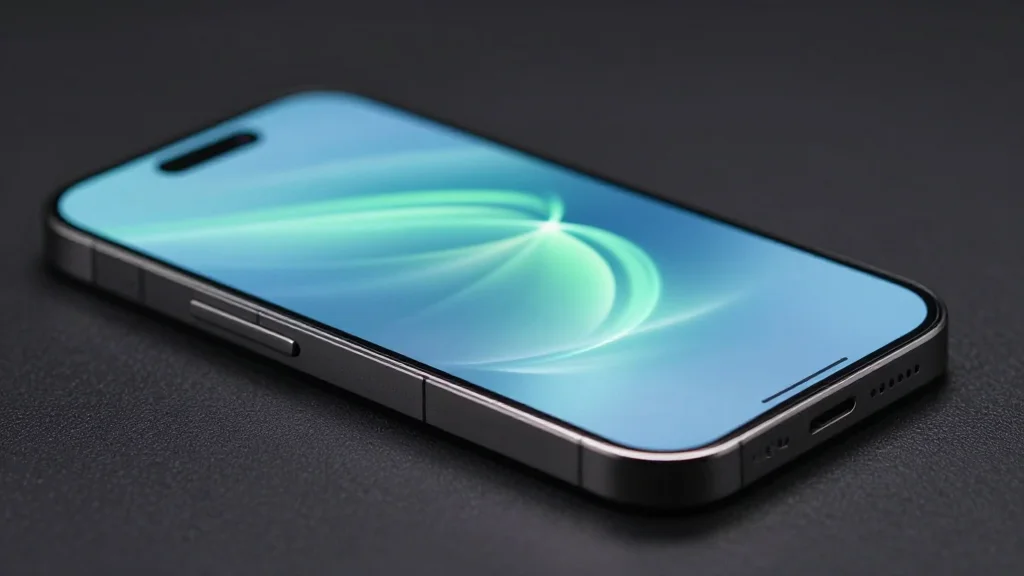
Apple Launches Siri AI, Overhauling Voice Assistant with On‑Device Contextual Intelligence

Companies Mentioned

Why It Matters
Siri AI marks Apple’s first foray into generative AI that is tightly coupled with its hardware and privacy architecture. By enabling the assistant to read personal data on‑device, Apple offers a differentiated value proposition in a market where data privacy is increasingly scrutinized. The EU delay highlights the regulatory challenges that could shape the future of AI integration across global ecosystems, potentially influencing how other firms design privacy‑preserving AI. For consumers, the upgrade promises a more useful, context‑aware assistant that can handle complex tasks like drafting emails, planning trips and summarizing documents, potentially increasing reliance on Apple devices for productivity. For developers, early access to the Siri AI beta opens opportunities to build deeper integrations, but the fragmented rollout may complicate global app strategies.
Key Takeaways
- •Apple launches Siri AI, a conversational chatbot integrated across iOS 27, iPadOS 27, macOS 27, watchOS 27 and visionOS 27.
- •Siri AI can read messages, emails, photos and screen content to answer multi‑step queries while keeping data on‑device.
- •Available on iPhone 16 and later; initially released in English with other languages slated for future rollout.
- •Performance improvements include up to 30% faster app launches and up to 80% faster AirDrop transfers.
- •EU launch delayed due to Digital Markets Act; no timeline announced for availability in Europe or China.
Pulse Analysis
Apple’s Siri AI is more than a feature update; it is a strategic pivot toward generative AI that leverages the company’s hardware advantage. By keeping the core models on the device, Apple sidesteps the data‑centralization model that fuels many competitors, aligning with its long‑standing privacy narrative. This could attract privacy‑conscious users and enterprises wary of cloud‑based AI, but it also limits the scale of data Apple can use to refine its models, potentially slowing iterative improvements.
The timing is crucial. Competitors have already integrated large language models into their ecosystems, and consumer expectations have shifted toward chat‑style interactions. Apple’s two‑year delay, from the 2024 promise to the 2026 launch, risked eroding its relevance in the AI race. However, the dedicated Siri app and deep OS integration may compensate by delivering a seamless, cross‑device experience that rivals cannot easily replicate.
Regulatory friction in the EU underscores a broader industry dilemma: balancing innovation with compliance. Apple’s refusal to grant third‑party assistants unfettered access to private data, as required by the DMA, could set a precedent for how AI assistants are regulated. If Apple successfully negotiates a privacy‑preserving solution, it could become a model for other firms. Conversely, prolonged delays may push European users toward alternative assistants that are already compliant, eroding Apple’s market share in a region that accounts for a significant portion of its revenue.
Looking ahead, the success of Siri AI will hinge on three factors: the quality of its conversational responses, the speed of language expansion, and Apple’s ability to navigate regulatory hurdles without compromising its privacy ethos. If the assistant can match or exceed the utility of ChatGPT‑style bots while preserving user data, Apple could redefine the role of voice assistants from peripheral helpers to central productivity partners within its ecosystem.
Apple Launches Siri AI, Overhauling Voice Assistant with On‑Device Contextual Intelligence
Comments
Want to join the conversation?
Loading comments...