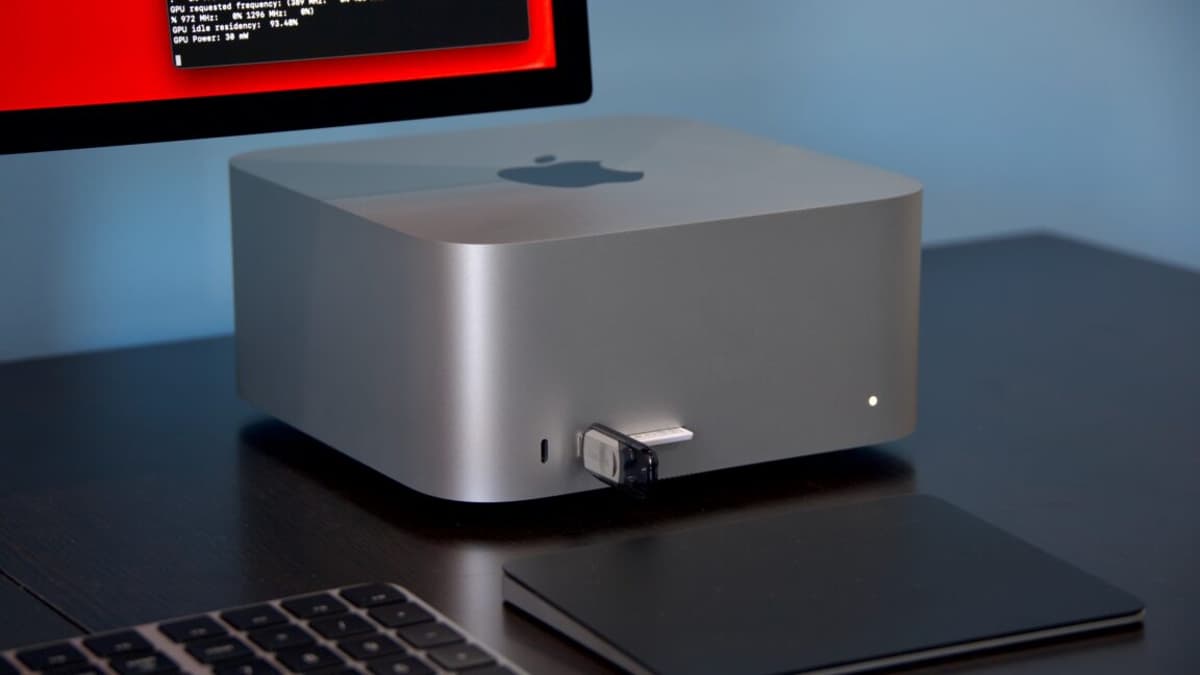
Apple May Take "Several Months" To Catch up to Mac Mini and Studio Demand
Companies Mentioned

Why It Matters
The shortage highlights how AI adoption is reshaping hardware demand and strains the semiconductor supply chain, potentially slowing Apple’s Mac revenue growth and prompting a shift to next‑gen silicon. It also signals rising component costs that could affect margins across the tech industry.
Key Takeaways
- •Mac mini and Studio listed as “currently unavailable” on Apple site
- •Apple cites AI demand and TSMC capacity limits for shortages
- •New M5 chips expected later 2026, potentially delaying current models
- •Memory cost surge to impact Apple’s Q3 margins
Pulse Analysis
Apple’s current supply crunch underscores a broader industry challenge: the convergence of AI‑centric workloads and a tight semiconductor fab capacity. As developers and enterprises push more local AI agents, demand for high‑performance Macs has outpaced Apple’s ability to secure enough M‑series chips from TSMC, whose advanced nodes are booked years in advance. This mismatch forces Apple to prioritize flagship devices like the iPhone while accepting longer lead times for the Mac mini and Studio, a pattern echoed across other OEMs reliant on similar fab partners.
Looking ahead, Apple’s roadmap includes the introduction of M5‑series processors later in 2026, a move that could further delay existing Mac models as the company retools its supply chain for the next generation. Historically, Apple’s product refresh cycles have caused temporary inventory squeezes, but the added pressure of AI‑driven demand amplifies the effect. Consumers seeking immediate AI‑ready hardware may turn to alternatives or delay purchases, influencing market dynamics and giving competitors a brief window to capture attention.
Financially, Apple’s Q2 performance remains robust, with a 17% revenue jump driven by iPhone 17 and services. However, the company warned of rising memory costs that will weigh on Q3 margins, reflecting a sector‑wide RAM shortage. Higher component expenses could erode profit rates not only for Apple but also for other hardware manufacturers, prompting a reassessment of pricing strategies and supply‑chain diversification efforts across the tech ecosystem.
Apple may take "several months" to catch up to Mac mini and Studio demand
Comments
Want to join the conversation?
Loading comments...