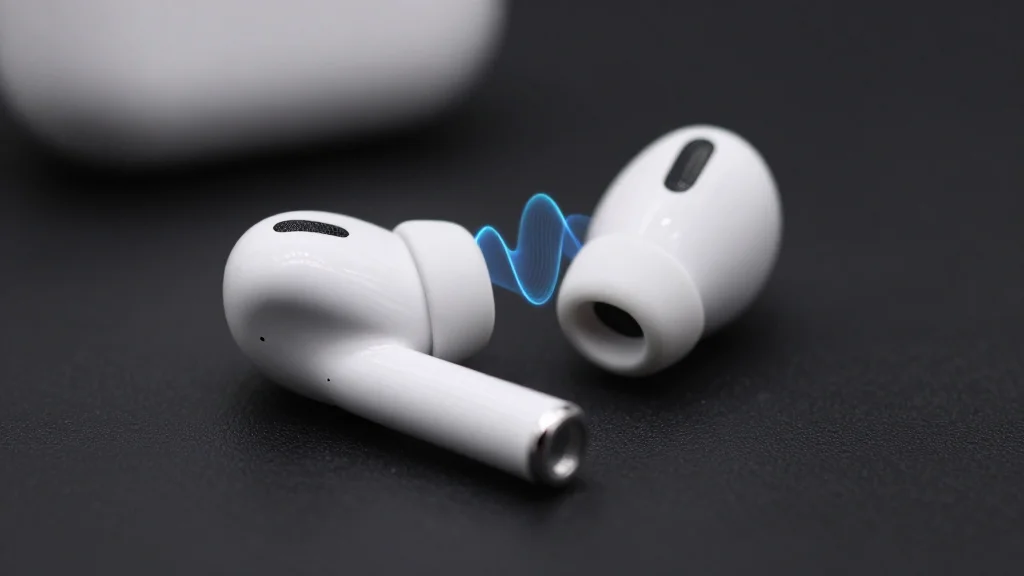
Apple Tests Camera‑Equipped AirPods to Give Siri Visual AI Capabilities

Companies Mentioned

Why It Matters
Embedding cameras in AirPods could redefine how users interact with personal AI assistants, turning a passive audio device into a multimodal sensor hub. By giving Siri visual context, Apple aims to close the functionality gap with rivals that already combine voice and vision, potentially accelerating adoption of AI‑driven wearables. At the same time, the privacy debate underscores a broader industry tension: delivering richer AI experiences without eroding user trust. How Apple resolves this will influence regulatory scrutiny and set expectations for future wearable designs. Beyond the consumer experience, the visual data collected by such devices could feed Apple’s own AI training pipelines, reducing reliance on external models and strengthening its competitive position against OpenAI and Google. The move signals that Apple is willing to invest in hardware‑software co‑design to stay relevant in the fast‑moving generative‑AI market.
Key Takeaways
- •Apple is testing AirPods with low‑resolution cameras in larger stems.
- •Cameras provide visual context for Siri, enabling navigation, food identification and accessibility features.
- •A small LED indicates when visual data is being transmitted to the cloud.
- •Privacy concerns and Siri’s visual AI readiness may delay a consumer launch.
- •If released, camera‑AirPods could set a new standard for multimodal wearables.
Pulse Analysis
Apple’s camera‑AirPods prototype reflects a strategic pivot from pure audio accessories to sensor‑rich AI endpoints. Historically, Apple has leveraged its hardware ecosystem to collect data that fuels its services—think the iPhone’s camera feed for Photo Memories or the Apple Watch’s health sensors for fitness insights. Adding vision to its most ubiquitous wearable could create a feedback loop where Siri becomes more contextually aware, driving higher engagement and potentially new revenue streams from AI‑powered services.
The timing aligns with Apple’s upcoming Gemini‑powered Siri overhaul in iOS 27, suggesting a coordinated rollout that pairs software upgrades with new hardware inputs. This synergy could accelerate user adoption, as a visual Siri would feel more capable than a text‑only chatbot. However, the privacy calculus is delicate; Apple’s brand is built on data protection, and any perception of covert surveillance could trigger backlash, especially given recent scrutiny of smart‑glass cameras.
Competitors are watching closely. Google’s upcoming Glass and Meta’s Quest line are already experimenting with vision‑enabled wearables. If Apple succeeds, it could force rivals to accelerate their own multimodal roadmaps, intensifying the race for the next generation of AI‑first devices. Conversely, a delayed or muted launch could signal that the market isn’t ready for camera‑enabled earbuds, giving competitors a window to capture early adopters.
In the longer term, the visual data harvested from millions of AirPods could become a valuable asset for Apple’s own large‑model training, reducing dependence on external AI providers. This would not only lower licensing costs but also give Apple tighter control over model behavior, a critical advantage in an era where AI ethics and bias are under intense scrutiny. The success or failure of this initiative will likely shape Apple’s AI trajectory for the next decade.
Apple Tests Camera‑Equipped AirPods to Give Siri Visual AI Capabilities
Comments
Want to join the conversation?
Loading comments...