ASUS Unveils the ROG Xbox Ally X20 with a New OLED Display and Translucent Body
Companies Mentioned


Why It Matters
The OLED upgrade elevates visual fidelity for handheld gamers, positioning ASUS against rivals like Valve’s Steam Deck and potentially reshaping premium handheld demand. Bundling AR glasses could expand the device’s appeal beyond traditional gaming, hinting at broader mixed‑reality integration.
Key Takeaways
- •7.4‑inch OLED screen with 120 Hz refresh
- •Same Ryzen AI Z2 Extreme chipset as Xbox Ally X
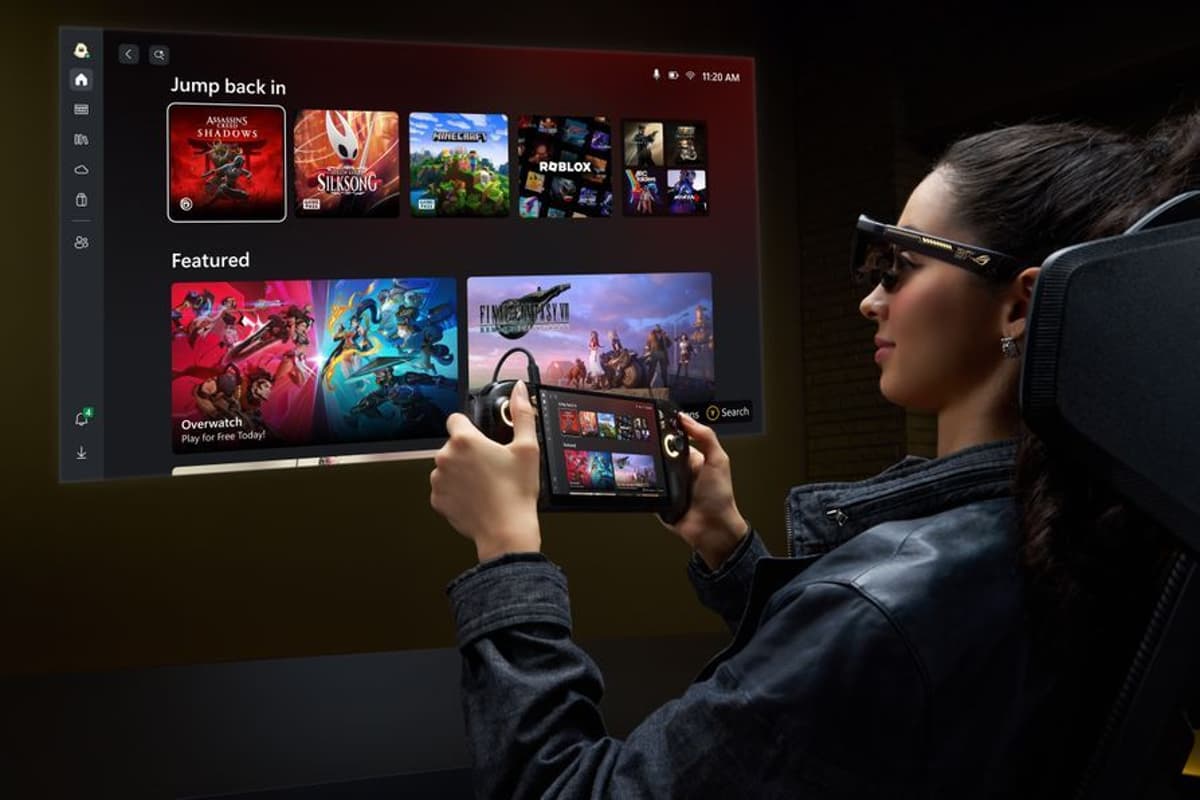
- •Bundled ROG XREAL R1 AR glasses for 171‑inch virtual display
- •24 GB LPDDR5X memory and 1 TB PCIe 4.0 SSD
- •Pricing and performance upgrades remain unconfirmed
Pulse Analysis
The handheld market has long been dominated by devices that compromise visual quality for portability. ASUS’s decision to equip the ROG Ally X20 with a 7.4‑inch OLED panel marks a decisive shift toward premium displays, delivering deeper blacks and higher contrast than the LCD screens used in earlier models and many competitors. This move aligns with a broader industry trend where manufacturers prioritize high‑refresh, high‑brightness screens to meet the expectations of gamers accustomed to console‑level visuals.
Beyond the screen, the X20’s hardware remains largely unchanged from the Xbox Ally X, featuring the Ryzen AI Z2 Extreme processor, 24 GB of LPDDR5X RAM, and a 1 TB PCIe 4.0 SSD. While performance parity may disappoint users hoping for a generational leap, the inclusion of ROG XREAL R1 AR glasses adds a unique value proposition. The glasses can project a virtual display up to 171 inches with 240 Hz support, turning the handheld into a portable mixed‑reality hub and potentially attracting creators and enterprise users seeking immersive experiences without a full‑size headset.
The biggest unknown is pricing. Without a clear cost structure, consumers must weigh the premium OLED and AR bundle against the unchanged internals. If ASUS prices the X20 competitively, it could pressure rivals like the Steam Deck to accelerate their own display upgrades. Conversely, a high price tag may limit adoption to enthusiasts, leaving the broader market to await a more substantial performance refresh. Either scenario will influence the trajectory of handheld gaming, especially as developers increasingly optimize titles for both traditional screens and emerging AR platforms.
ASUS unveils the ROG Xbox Ally X20 with a new OLED display and translucent body
Comments
Want to join the conversation?
Loading comments...