Can Snap Survive the Wearable Graveyard Google Built?
Companies Mentioned



Why It Matters
Snap’s gamble highlights whether the industry can turn AR glasses into a profitable platform beyond novelty, a shift that would reshape hardware revenue streams and AI integration. Failure would reinforce the smartphone’s dominance and caution investors on future wearable bets.
Key Takeaways
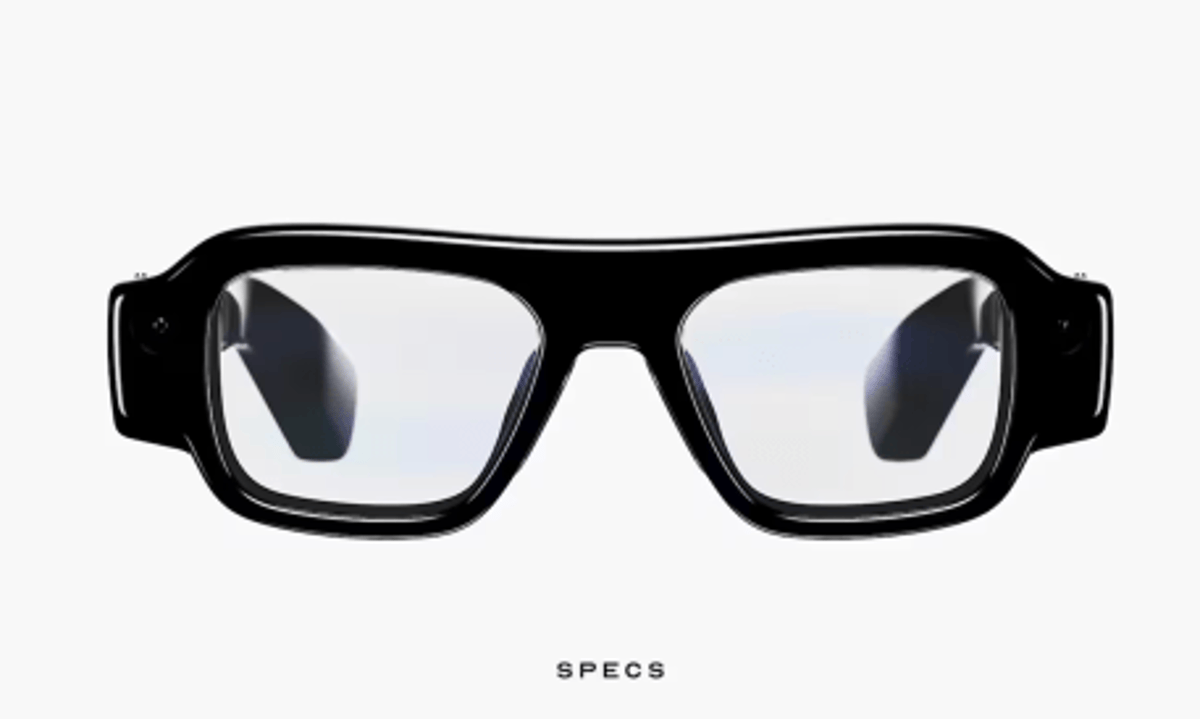
- •Snap's SPECS glasses launch price $2,100, shares fell 5%
- •AR wearables have repeatedly failed to achieve mass consumer adoption
- •Success in wearables hinges on solving narrow, practical problems
- •Smartphones now offer AI, cameras, payments, raising bar for new platforms
- •Snap's glasses test whether eye‑mounted computing can become next platform
Pulse Analysis
The SPECS launch marks the most high‑profile AR effort since Google Glass, and the market’s swift reaction underscores investor skepticism. While Snap touts AI‑driven contextual overlays that could free users from their phones, the $2,100 price tag places the product in a premium bracket that historically limits volume. Analysts note that the broader ecosystem—content partners, developers, and enterprise pilots—remains embryonic, making the commercial path uncertain.
Consumer adoption of wearables has consistently hinged on clear, everyday utility rather than futuristic appeal. Fitness trackers succeeded by quantifying steps; smartwatches gained traction by delivering notifications and health monitoring without a new device habit. In contrast, most AR glasses have offered a vision of ambient computing without solving a pressing problem, leading to niche markets and frequent product discontinuations. Snap’s challenge is to demonstrate a use case—perhaps real‑time visual translation or hands‑free collaboration—that outweighs the convenience of a smartphone.
From a strategic standpoint, the push for eye‑mounted platforms is less about replacing phones than about securing the next computing layer. Companies like Meta, Apple, and Google view AR as a gateway to new revenue streams in advertising, commerce, and AI services. If Snap can prove a scalable ecosystem, it could capture a share of the multi‑billion‑dollar hardware market and set a precedent for future platform bets. Conversely, continued consumer indifference would reaffirm the smartphone’s reign and temper further heavyweight investments in AR hardware.
Can Snap Survive the Wearable Graveyard Google Built?
Comments
Want to join the conversation?
Loading comments...