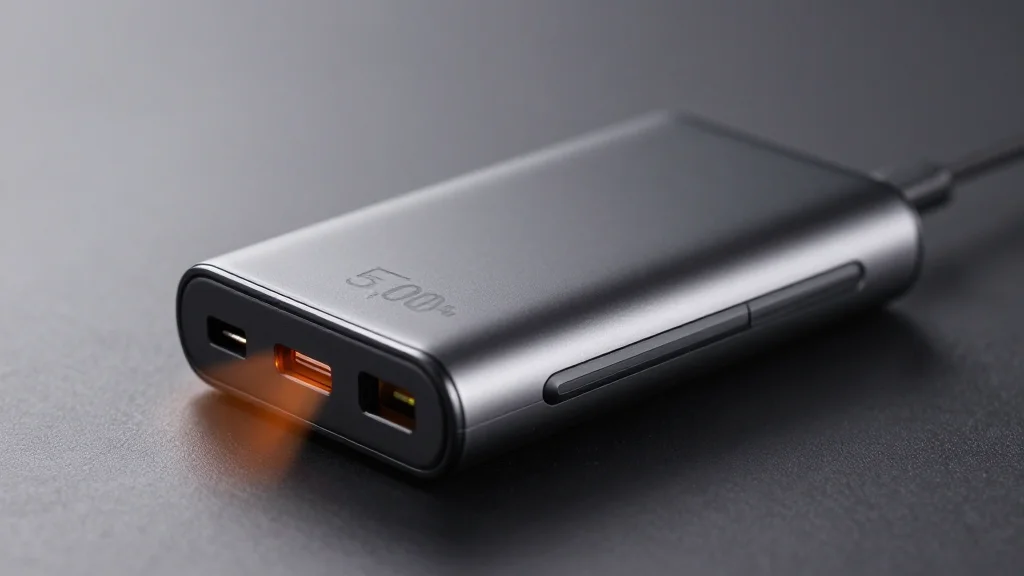
Casely Reissues Recall of 5,000 mAh Power Pods After Fatal Plane Incident

Companies Mentioned
Why It Matters
The recall affects millions of consumers who rely on portable chargers for daily mobility, highlighting the safety challenges inherent in high‑energy‑density lithium‑ion batteries. A fatal incident on a commercial flight amplifies the risk profile, potentially prompting airlines and regulators to tighten rules on personal power banks, which could reshape the market’s supply chain and product design standards. Beyond immediate safety concerns, the episode may accelerate industry shifts toward alternative chemistries, such as solid‑state batteries, and push manufacturers to adopt more rigorous third‑party testing. The financial impact on Casely—losses from recalled inventory, replacement costs, and potential litigation—could also influence investor sentiment in the broader consumer‑tech hardware sector.
Key Takeaways
- •Casely and the CPSC reissued the recall after 28 new overheating reports, including a fatal plane incident.
- •The recall now covers over 429,000 Power Pods sold from March 2022 to September 2024.
- •Recalled units sold for $30‑$70 and are identified by the E33A model number and Casely branding.
- •Casely offers free replacements; consumers must submit photos of the device and a “recalled” label.
- •Regulators may impose further enforcement if replacement uptake is slow, affecting the portable‑charger market.
Pulse Analysis
Casely’s expanded recall arrives at a moment when the portable power market is both booming and under intense scrutiny. The surge in remote work, travel, and mobile entertainment has driven demand for higher‑capacity power banks, but the incident underscores a trade‑off: greater energy density often comes with heightened thermal risk. Historically, major recalls—such as Samsung’s Galaxy Note 7 battery fiasco—have reshaped industry standards, prompting stricter certification and more transparent reporting. Casely’s situation could trigger a similar recalibration, especially as airlines and transportation authorities may tighten carriage rules for personal chargers.
From a competitive standpoint, the recall creates an opening for rivals that have already invested in safer battery chemistries. Companies like Anker and RavPower, which have begun piloting solid‑state or graphene‑enhanced cells, can leverage this safety narrative to capture market share. Meanwhile, investors will likely reassess the risk premium on consumer‑tech hardware firms that rely heavily on lithium‑ion technology without robust safety buffers.
Looking forward, the key metric will be how quickly Casely can replace the recalled units and restore consumer confidence. A swift, well‑communicated remediation could mitigate brand damage, but lingering doubts may push consumers toward alternative brands or even away from portable power solutions altogether. The broader implication is a potential acceleration of regulatory oversight, which could raise compliance costs across the sector but also drive innovation toward inherently safer energy storage solutions.
Casely Reissues Recall of 5,000 mAh Power Pods After Fatal Plane Incident
Comments
Want to join the conversation?
Loading comments...