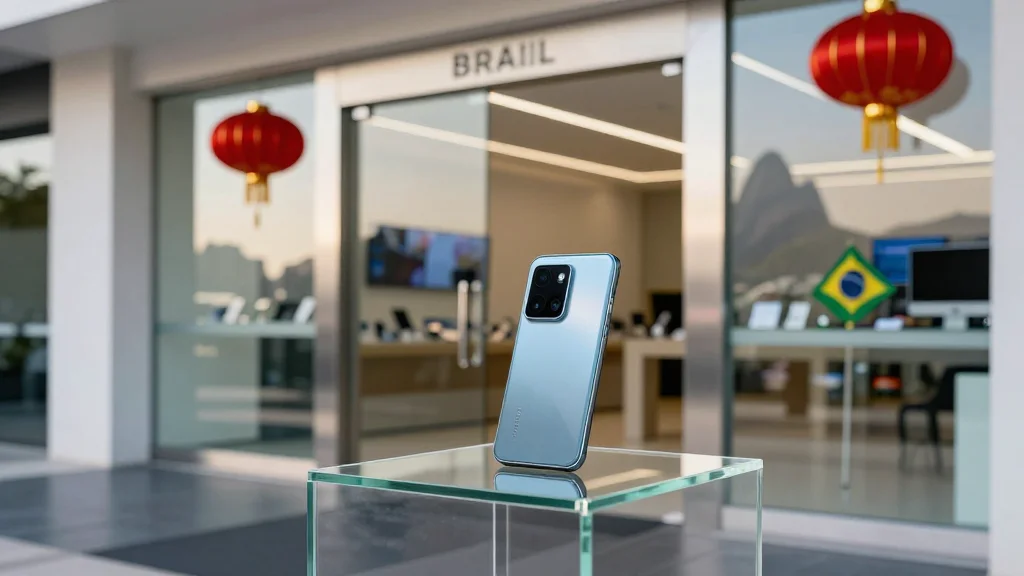
Chinese Electronics Giants Target Brazil’s 200 Million‑Consumer Market with New Stores and Wearables

Companies Mentioned
Why It Matters
The Brazilian market represents the largest consumer base in Latin America, and its growing middle class is hungry for affordable, high‑quality technology. Chinese firms’ aggressive entry could democratize access to smartphones and wearables, driving digital inclusion and expanding the ecosystem for apps, services and e‑commerce. At the same time, the shift signals a strategic diversification for Chinese capital, reducing reliance on U.S. markets amid geopolitical tensions. For global tech players, the Brazil push forces a reassessment of pricing, distribution and partnership models in emerging markets. Companies that fail to adapt may lose market share to Chinese brands that combine low cost with localized retail experiences, potentially reshaping the competitive landscape for the next decade.
Key Takeaways
- •Huawei opened a flagship consumer‑electronics store in São Paulo’s Shopping Cidade São Paulo
- •Mixue plans to invest R$3 billion ($590 million) and open 500‑1,000 stores by 2030
- •Chinese direct investment in Brazil rose to $4.2 billion in 2024 across 39 projects
- •GWM’s São Paulo plant will receive R$10 billion in a decade‑long investment
- •Brazil’s 200 million consumers are increasingly favoring Chinese tech for value and design
Pulse Analysis
China’s pivot to Brazil’s consumer sector is more than a geographic expansion; it’s a strategic reallocation of capital in response to a fracturing global trade order. By embedding brands in brick‑and‑mortar locations, Chinese firms bypass the traditional reliance on third‑party distributors, gaining direct access to consumer data and brand loyalty. This mirrors the playbook used in Southeast Asia, where Chinese smartphone makers like Xiaomi and realme built local ecosystems that later fed into software services and fintech.
Historically, Brazil’s market entry barriers—high import taxes, complex logistics, and a fragmented retail landscape—have deterred many foreign players. Chinese firms are leveraging their deep supply‑chain integration and state‑backed financing to absorb these costs, effectively subsidizing the price gap that makes their products attractive. The result could be a rapid erosion of market share for legacy players such as Samsung and Apple, especially in the mid‑range segment where price sensitivity is highest.
Looking forward, the success of this rollout will depend on how quickly Chinese brands can adapt to local consumer preferences, from payment methods to after‑sales service. If they manage to deliver reliable support and maintain competitive pricing, Brazil could become a launchpad for broader South American expansion, potentially reshaping the continent’s tech consumption patterns for years to come.
Chinese Electronics Giants Target Brazil’s 200 Million‑Consumer Market with New Stores and Wearables
Comments
Want to join the conversation?
Loading comments...