Chinese Robots Dominate Humanoids Summit Tokyo, Signaling Consumer Shift

Companies Mentioned
Why It Matters
The Humanoids Summit Tokyo illustrates a pivotal moment in consumer technology: robotics is transitioning from niche industrial tools to everyday household devices. Chinese firms’ ability to produce affordable, functional humanoids threatens Japan’s historic dominance and could reshape global supply chains, pricing models, and consumer expectations. For investors and manufacturers, the summit offers a barometer of which technologies are poised for rapid adoption in markets grappling with labor shortages and an aging population. Moreover, the event underscores the importance of cultural acceptance. Japan’s low AI anxiety levels suggest a fertile market for consumer robots, while Chinese manufacturers are poised to meet that demand with cost‑effective solutions. The convergence of technology, economics, and societal readiness could accelerate the mainstreaming of humanoid assistants, influencing everything from e‑commerce logistics to home care services.
Key Takeaways
- •Humanoids Summit Tokyo attracted ~2,000 attendees from 30 countries and 300 companies.
- •Chinese firms like Booster Robotics and LimX Dynamics showcased low‑cost robots, with the Mini Pi Plus priced at $5,500.
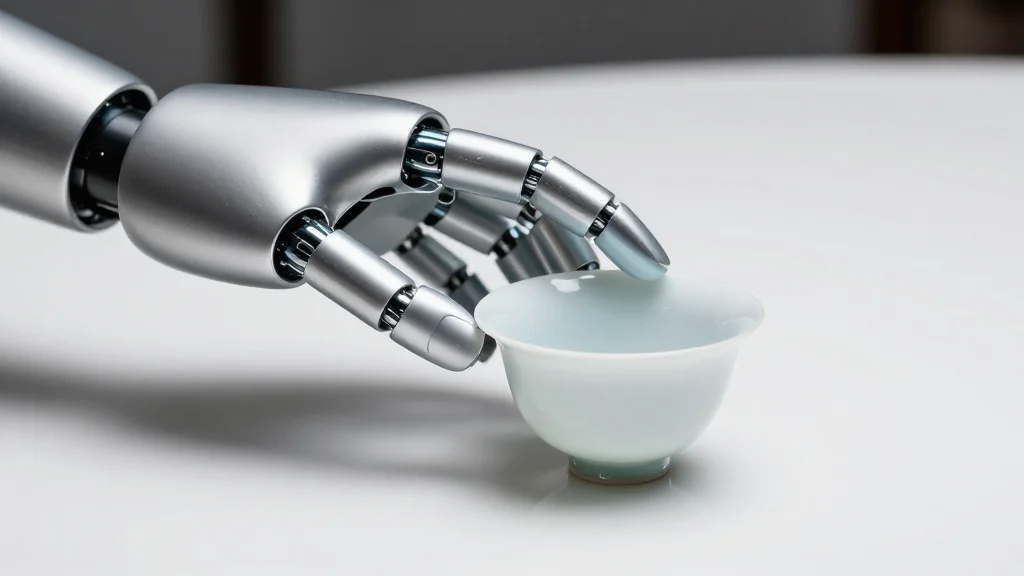
- •Japanese companies, including Honda, demonstrated advanced mechanical hands and emphasized cultural readiness for robotics.
- •Labor shortage solutions were a central theme, with AI‑enabled humanoids targeting airport cargo and home chores.
- •The summit marks the first Asian edition of the event, highlighting Tokyo’s strategic role in the global robotics ecosystem.
Pulse Analysis
The Tokyo summit signals a structural shift in consumer robotics, where cost‑efficiency is becoming as critical as technical prowess. Historically, Japan set the benchmark for robot quality, but the Chinese entrants are leveraging economies of scale to democratize access. This mirrors past disruptions in consumer electronics, where Chinese manufacturers eroded Japanese market share by offering comparable performance at lower prices. For investors, the key metric will be the ability of these firms to transition from prototype to mass‑production without sacrificing reliability—a hurdle that Japanese firms have traditionally mastered.
From a market dynamics perspective, the convergence of labor scarcity and a tech‑savvy populace creates a perfect storm for rapid adoption. Companies that can integrate AI perception, safe human‑robot interaction, and affordable hardware will likely capture the nascent consumer segment. The presence of 300 exhibitors indicates intense competition, but also a collaborative ecosystem where partnerships—especially between Chinese hardware producers and Japanese software specialists—could accelerate innovation.
Looking ahead, regulatory frameworks will play a decisive role. Japan’s relatively permissive stance on robotics, coupled with public acceptance, may give domestic firms a home‑field advantage in pilot deployments. However, if Chinese firms can secure certifications and demonstrate safety at scale, they could quickly become global suppliers. The next six months will be critical as companies announce production roadmaps, pricing tiers, and distribution strategies that will define the consumer robotics landscape for the coming decade.
Chinese Robots Dominate Humanoids Summit Tokyo, Signaling Consumer Shift
Comments
Want to join the conversation?
Loading comments...