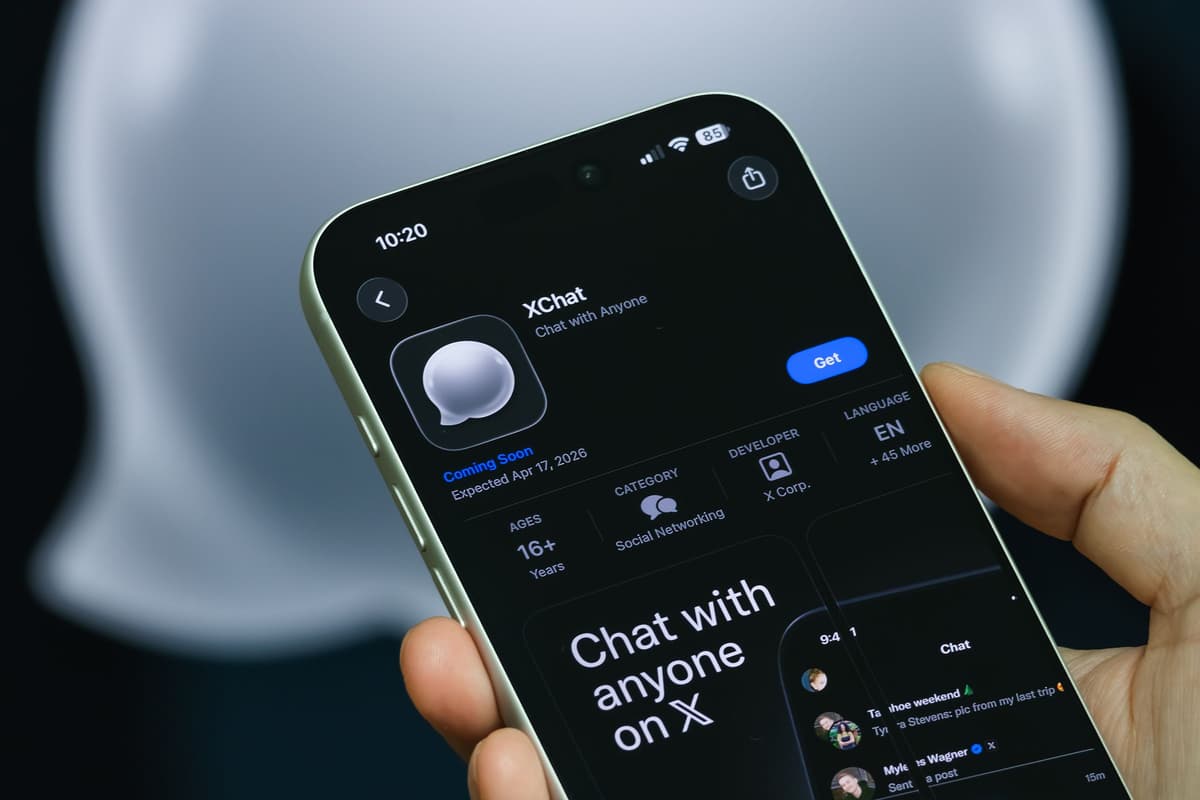
Elon Musk’s XChat App Is More Like Facebook’s Messenger Than Signal
Companies Mentioned


Why It Matters
XChat illustrates Musk’s push to deepen X’s ecosystem, but its security and privacy shortcomings could erode user trust and limit its ability to compete in the crowded messaging market.
Key Takeaways
- •XChat requires an X account, linking messages to social profile.
- •Encryption keys stored on X servers, unlike on‑device Signal model.
- •Launch suffered multiple date changes and regional availability glitches.
- •Features mirror Facebook Messenger, offering limited differentiation for users.
Pulse Analysis
The mobile messaging arena has become a battleground for privacy, network effects, and platform lock‑in. When Elon Musk unveiled XChat in April 2026, the promise was a seamless, end‑to‑end encrypted channel for users already on X, the rebranded Twitter platform. By bundling a dedicated app with the existing social network, Musk aimed to keep high‑engagement users within his ecosystem and to challenge incumbents such as Signal, WhatsApp and Facebook Messenger. However, the rollout was anything but smooth: launch dates shifted repeatedly, the iOS version appeared only in the United States, and Android users were left waiting.
Security experts quickly flagged the architecture of XChat as a departure from best‑practice encryption models. Unlike Signal, which stores private keys on the device, XChat keeps cryptographic material on X’s cloud servers, giving the company potential access to message content. The app’s privacy page claims “no tracking,” yet it lists contacts, identifiers and usage data as collected, and redirects users to the generic X privacy policy instead of a dedicated document. Features such as optional screenshot blocking and a persistent link back to the X app echo Facebook Messenger’s design, reinforcing the perception that XChat is a messenger add‑on rather than a novel, privacy‑first service.
The strategic implications are clear. By tying encrypted chat to an X account, Musk reinforces platform lock‑in, encouraging power users to stay within his social graph. Yet the limited differentiation and the cloud‑based key storage may deter privacy‑conscious consumers, who are likely to remain with Signal or WhatsApp. For advertisers and investors, XChat’s shaky debut signals potential friction between ambitious product expansion and execution quality. If X can address the security criticisms and broaden its user base beyond existing X members, the app could become a modest revenue lever; otherwise, it risks being relegated to a niche feature that adds little value to the broader messaging market.
Elon Musk’s XChat App Is More Like Facebook’s Messenger Than Signal
Comments
Want to join the conversation?
Loading comments...