Goldman Sachs Says AI Is Already Adding to US Consumer Inflation


Why It Matters
Goldman Sachs’ inflation warning underscores a potential clash between AI‑driven productivity gains and short‑term price pressures on consumer tech. Higher memory‑chip costs and software price hikes could erode disposable income, slowing adoption of new devices and services. For policymakers, the analysis adds a new variable to inflation forecasts, suggesting that AI may delay the disinflationary benefits traditionally associated with technological breakthroughs. For the broader consumer tech market, the warning signals that manufacturers and software providers may need to balance AI innovation with pricing strategies to avoid alienating price‑sensitive shoppers. Companies that can absorb chip cost increases or pass them on without sacrificing demand could gain a competitive edge, while those that rely on aggressive price hikes risk losing market share as consumers become more cost‑conscious.
Key Takeaways
- •Goldman Sachs says AI is currently boosting US inflation via chip, software and energy costs
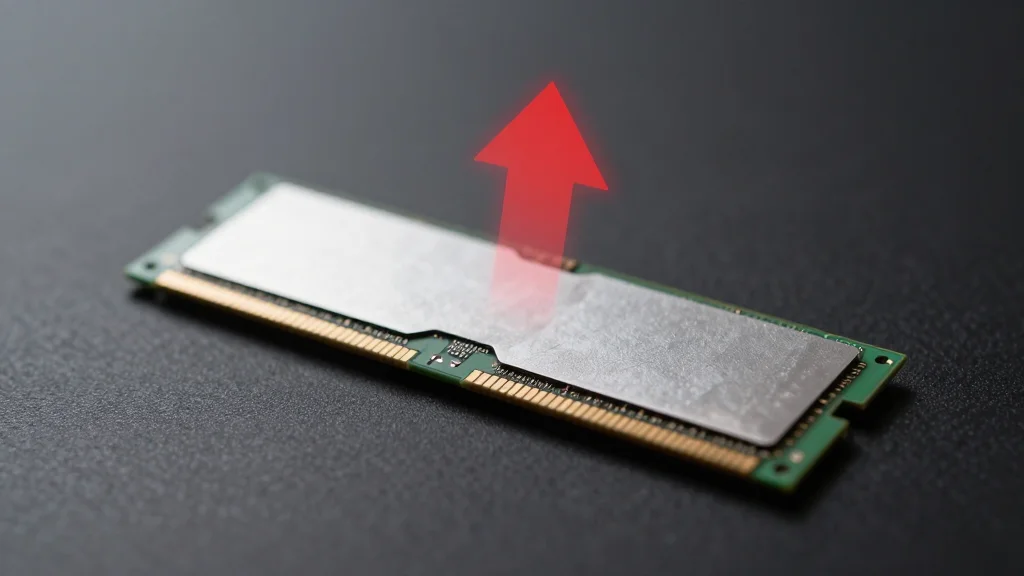
- •Memory‑chip supercycle is raising laptop and smartphone prices, flagged by Apple as a cost headwind
- •AI‑enhanced software from Microsoft, Adobe and others has seen price hikes
- •Data‑center electricity demand is lifting household power bills in some US regions
- •Goldman expects AI to eventually be disinflationary but warns of near‑term price pressure for the next two years
Pulse Analysis
Goldman’s assessment arrives at a pivotal moment when AI is transitioning from a hype‑driven buzz to a production‑scale reality. Historically, major technological shifts—such as the rollout of broadband or smartphones—have eventually lowered consumer prices after an initial cost surge. The current AI wave, however, is unique in its simultaneous demand for high‑end hardware (memory chips, GPUs) and energy‑intensive data‑center operations, creating a double‑edged pressure on prices.
In the short term, firms that can secure supply‑chain efficiencies or invest in renewable energy for data centers may mitigate the inflationary impact. Apple’s acknowledgment of memory‑chip costs hints that even cash‑rich players are feeling the squeeze, which could accelerate a shift toward more cost‑effective chip architectures or greater reliance on third‑party AI accelerators. Meanwhile, software vendors that bundle AI features with premium pricing risk a backlash if consumers perceive the added value as insufficient to justify higher fees.
From a macro perspective, the Federal Reserve’s inflation outlook now has an additional, technology‑specific variable. If AI‑related price pressures persist, the Fed may delay rate cuts, influencing borrowing costs for both consumers and tech companies. Investors should watch for earnings reports that detail AI‑related cost pass‑throughs, as they will be early indicators of how the market internalizes Goldman’s warning. Companies that can demonstrate that AI drives efficiency without inflating end‑user prices could emerge as the winners in a landscape where price sensitivity is resurging.
Goldman Sachs Says AI Is Already Adding to US Consumer Inflation
Comments
Want to join the conversation?
Loading comments...