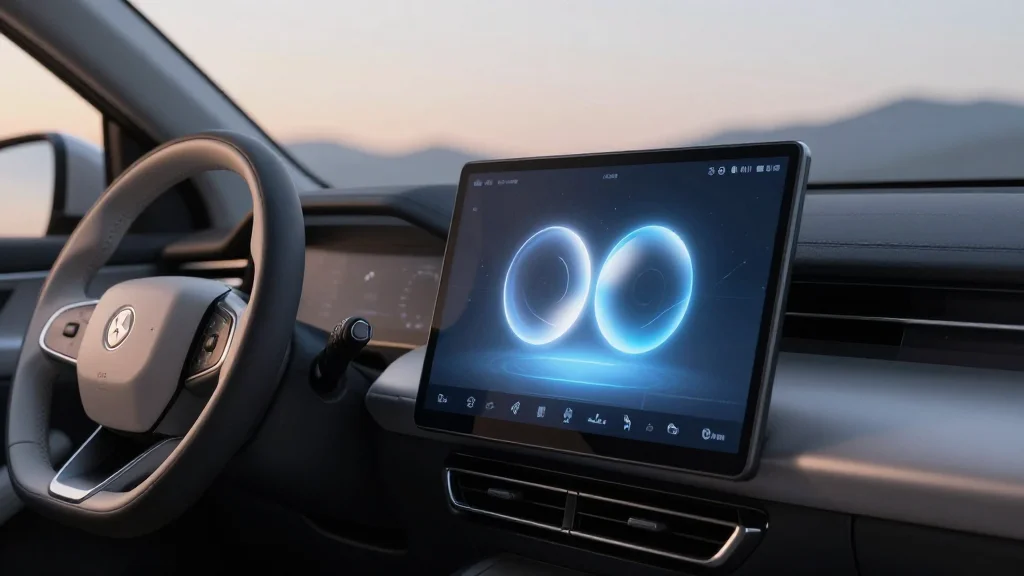
Google Deploys Gemini AI to Replace Assistant in 4 Million Android Automotive Cars

Companies Mentioned
Why It Matters
Embedding Gemini AI into millions of cars blurs the line between consumer mobile AI and automotive experiences, turning vehicles into moving smart assistants. The technology promises safer, hands‑free interactions by reducing the need for precise voice commands, potentially lowering driver distraction. It also gives Google a foothold in a high‑value automotive data ecosystem, where vehicle‑specific insights can be monetized through services, advertising, or future subscription models. For the broader consumer‑tech landscape, the rollout demonstrates how generative AI is moving from screens to physical environments. Success could accelerate OEM adoption of AI platforms, spur competition among cloud providers, and raise regulatory scrutiny around data privacy and in‑car safety standards.
Key Takeaways
- •Google began rolling out Gemini AI to replace Assistant in ~4 million Android Automotive cars in the U.S.
- •The upgrade is delivered over‑the‑air and targets GM models (Buick, Cadillac, Chevrolet, GMC) from 2022 onward.
- •Gemini enables multi‑turn, natural‑language conversations and accesses vehicle‑specific manuals for tailored answers.
- •Drivers can issue casual commands for climate, lighting, and battery status without navigating menus.
- •The move positions Google against Alexa Auto and CarPlay, potentially reshaping the infotainment market.
Pulse Analysis
Google’s decision to replace Assistant with Gemini in millions of cars marks the first large‑scale deployment of a generative‑AI model in a safety‑critical consumer product. Historically, voice assistants in vehicles have been limited to command‑and‑control paradigms, which required users to memorize exact phrasing. Gemini’s multi‑turn capability reduces cognitive load, aligning with research that suggests conversational AI can improve driver focus when designed correctly. However, the real test will be how reliably the system interprets ambiguous language under noisy cabin conditions—a factor that could determine regulatory acceptance and consumer trust.
From a competitive standpoint, the rollout forces other platform providers to accelerate their own AI roadmaps. Amazon’s Alexa Auto has hinted at generative features, but it lacks the deep integration with OEM manuals that Gemini boasts. Apple’s CarPlay, while strong on UI consistency, has not yet announced a comparable AI engine. Google’s advantage lies in its existing data pipelines and the ability to push OTA updates at scale, a capability that could lock in OEMs for years if the user experience proves superior.
Looking ahead, the Gemini deployment could become a springboard for new revenue streams. Google may monetize vehicle‑specific insights, offer premium conversational features, or bundle the service with its broader ecosystem (e.g., Maps, YouTube). At the same time, privacy advocates will scrutinize how much driving data is fed back to Google’s servers. The balance between convenience and data stewardship will likely shape policy discussions and consumer sentiment as AI moves from phones to the dashboard.
Google Deploys Gemini AI to Replace Assistant in 4 Million Android Automotive Cars
Comments
Want to join the conversation?
Loading comments...