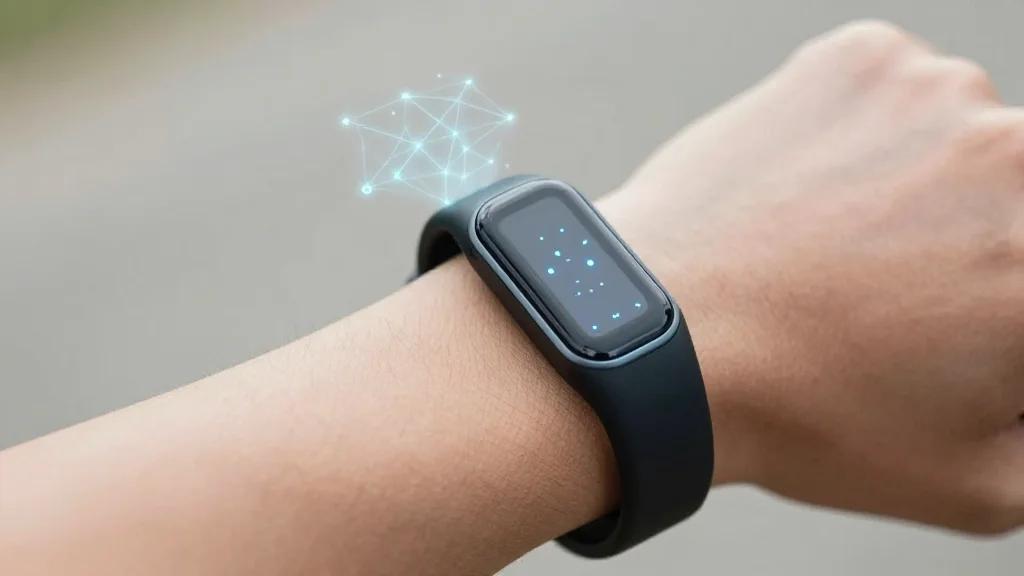
Google Unveils $99 Fitbit Air, First Screen‑less AI Fitness Tracker

Companies Mentioned
Why It Matters
The Fitbit Air marks a strategic pivot for Google, merging its AI ambitions with the wearables market at a price point that could democratize advanced health tracking. By eliminating the screen, Google reduces hardware complexity and power consumption, enabling a week‑long battery life that addresses a common consumer pain point. The AI‑driven Health Coach also showcases how generative models can move beyond chat interfaces into actionable, personalized health guidance, potentially setting a new standard for consumer health tech. If the Air gains traction, it could accelerate the convergence of fitness data and broader health ecosystems, prompting rivals to either adopt similar screen‑less designs or double down on richer smartwatch experiences. The rebranding to Google Health further blurs the line between consumer fitness apps and medical‑grade platforms, raising questions about data privacy, regulatory oversight, and the future of the Fitbit brand itself.
Key Takeaways
- •Google launches Fitbit Air at $99.99, the first screen‑less AI‑focused fitness tracker.
- •Device weighs 12 g with strap, offers seven‑day battery life and five‑minute fast charging.
- •Tracks heart rate, steps, calories, SpO₂, skin temperature; stores 7 days of minute data.
- •Integrates with Google Health Coach, a Gemini‑powered AI assistant offering personalized health advice.
- •Rebrands Fitbit app to Google Health, signaling a shift away from the Fitbit name in many markets.
Pulse Analysis
Google’s decision to introduce a screen‑less wearable at a sub‑$100 price point is a calculated gamble that could reshape the wearables hierarchy. Historically, the market has been split between high‑end smartwatches like Apple’s Watch Series and low‑cost fitness bands that offer limited analytics. The Fitbit Air occupies a middle ground, delivering sophisticated health metrics without the visual interface that drives higher power draw. This design choice not only cuts costs but also aligns with a growing consumer fatigue toward constant notifications, a sentiment echoed in recent surveys indicating that 42% of smartwatch owners feel overwhelmed by on‑wrist alerts.
The integration of Gemini‑powered AI into the Health Coach is perhaps the most consequential element. While other manufacturers have dabbed AI into fitness apps, Google is embedding it directly into the hardware ecosystem, allowing real‑time, context‑aware recommendations. If the AI can reliably translate raw sensor data into actionable insights—such as adjusting training intensity based on recovery scores—it could set a new benchmark for value in wearables. However, the success of this feature hinges on data quality and user trust; any perceived misstep in privacy handling or inaccurate advice could erode confidence quickly.
Competitive dynamics will intensify. WHOOP, which has built a loyal base around its subscription model and deep recovery analytics, now faces a free‑to‑use alternative that leverages Google’s AI and cloud infrastructure. Apple may respond by tightening its health ecosystem, perhaps by lowering the price of its entry‑level Apple Watch SE or by adding more AI‑driven health features. In the short term, the Fitbit Air’s market impact will be measured by early adoption rates, subscription conversion for Google Health Premium, and the robustness of its AI recommendations. Long‑term, it could catalyze a wave of minimalist, AI‑centric wearables that prioritize data over display, reshaping how consumers think about health tracking on the wrist.
Google Unveils $99 Fitbit Air, First Screen‑less AI Fitness Tracker
Comments
Want to join the conversation?
Loading comments...