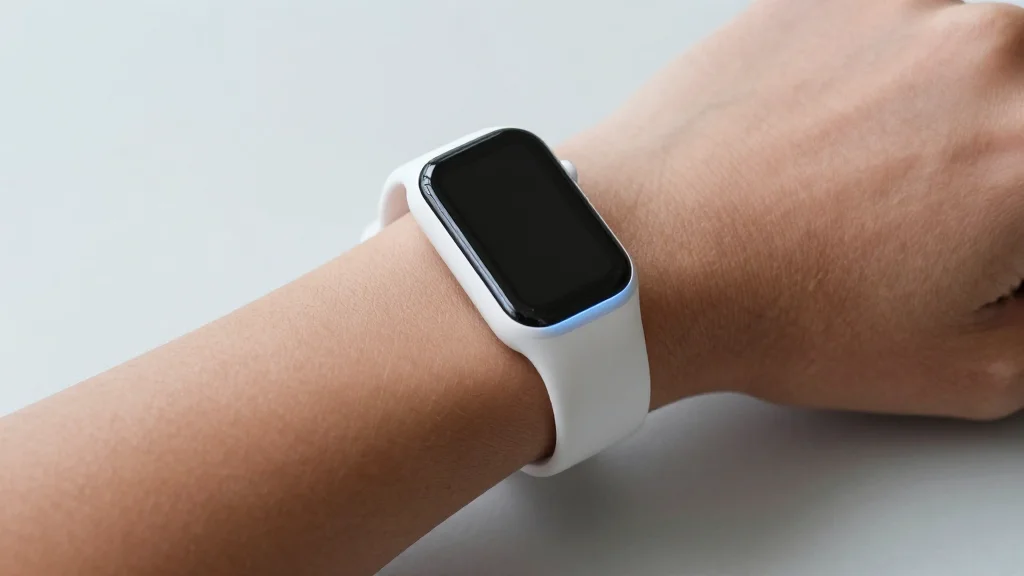
Google Unveils $99 Fitbit Air Screenless Wearable Powered by Gemini AI

Companies Mentioned
Why It Matters
Fitbit Air’s launch could redefine consumer expectations for wearables by proving that a device without a screen can still deliver meaningful health insights. The product challenges the prevailing model that equates smartwatch value with visual interaction and subscription revenue, potentially opening a new market segment focused on passive health monitoring. For Google, success would deepen its foothold in the health data ecosystem, giving it richer datasets to refine Gemini AI and strengthen its position against rivals like Apple, Samsung, and dedicated fitness brands. The device also arrives at a time when screen fatigue is a widely discussed concern, especially among younger users who spend hours on smartphones and smartwatches. By removing the display, Fitbit Air offers a tangible solution that could influence design philosophies across the industry, prompting competitors to explore minimalist hardware paired with sophisticated AI back‑ends.
Key Takeaways
- •Google priced Fitbit Air at $99, undercutting many premium wearables.
- •The device offers up to seven days of battery life thanks to a screenless design.
- •Gemini AI provides real‑time health coaching via the Google Health app.
- •Fitbit Air targets the recovery‑focused market dominated by Whoop and Oura.
- •Launch could push the wearables industry toward AI‑first, display‑free products.
Pulse Analysis
Google’s decision to launch a screenless wearable reflects a strategic pivot from the crowded smartwatch arena to a differentiated niche where AI can do the heavy lifting. Historically, wearables have competed on display quality, app ecosystems, and brand prestige. By stripping away the screen, Google eliminates a major power draw and a source of user distraction, allowing it to market a lower price point while still delivering sophisticated health insights. This approach leverages Google’s core competency—AI—rather than hardware aesthetics, aligning with the company’s broader push to embed Gemini across its product line.
The pricing strategy is also noteworthy. At $99, Fitbit Air undercuts Whoop’s subscription‑heavy model, which can exceed $30 per month after the initial hardware cost. Google appears to be betting that a one‑time purchase, combined with AI‑driven value, will attract cost‑conscious consumers who are skeptical of recurring fees. If the AI coaching proves effective, it could create a new revenue stream through premium health services or data licensing, without the need for a subscription.
From a competitive standpoint, the launch forces Apple, Samsung, and other smartwatch makers to reconsider the necessity of always‑on displays. While Apple’s ecosystem thrives on seamless integration of notifications and apps, a growing segment of users may prioritize health data over instant alerts. Should Fitbit Air gain traction, we could see a wave of minimalist devices that rely on companion apps for interaction, reshaping the hardware‑software balance in the wearables market. The next quarter will reveal whether consumers embrace this trade‑off, and whether Google can translate AI insights into measurable health outcomes that justify the product’s positioning.
Google Unveils $99 Fitbit Air Screenless Wearable Powered by Gemini AI
Comments
Want to join the conversation?
Loading comments...