I Stopped Caring Which Brand Made My Smart Devices, and I'm Glad We've Reached that Point
Companies Mentioned

Why It Matters
Matter eliminates ecosystem lock‑in, accelerating consumer adoption and driving competition among hardware makers. Its cross‑platform compatibility reshapes how smart‑home products are marketed and sold.
Key Takeaways
- •Matter works on existing Google, Apple, Amazon hubs
- •Over 500 companies joined the Connectivity Standards Alliance
- •Users can mix brands without ecosystem lock‑in
- •Matter 1.5 adds security‑camera support
- •Limited functionality still lags behind native apps
Pulse Analysis
Matter’s rise marks a turning point for the fragmented smart‑home market. Born from a coalition of industry giants, the open‑source protocol consolidates disparate standards under a single, royalty‑free framework. By leveraging Wi‑Fi and Thread, Matter enables devices to speak to any major voice assistant, reducing the need for multiple apps and simplifying installation. The rapid onboarding of more than 500 members—from legacy OEMs to emerging startups—signals broad confidence that a unified ecosystem can drive scale and lower development costs.
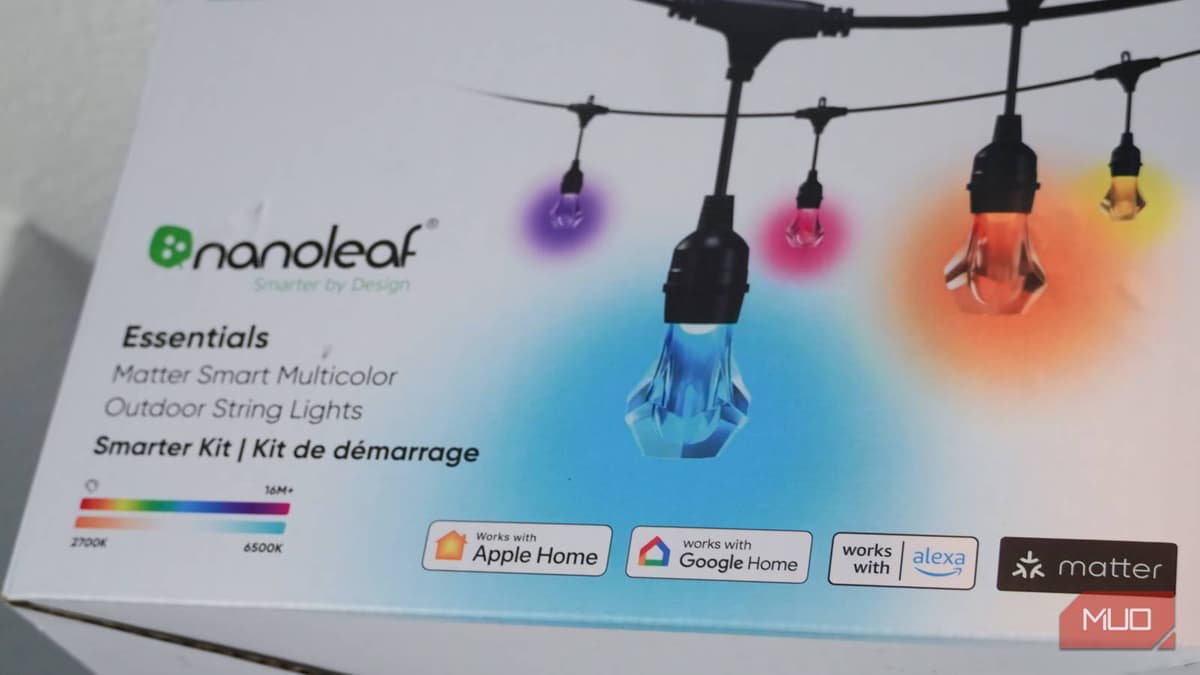
For consumers, the practical benefits are immediate. Existing devices such as Google Nest Hub, Apple HomePod, and Amazon Echo now double as Matter hubs, meaning users can retrofit their current setups rather than invest in new hardware. This brand‑agnostic approach encourages shoppers to prioritize features and price over ecosystem allegiance, fostering a more competitive market. Retailers and manufacturers can also streamline inventory, labeling products with a single Matter logo instead of juggling multiple ecosystem badges, which simplifies marketing and reduces consumer confusion.
Despite its progress, Matter still faces hurdles. Early iterations limited functionality compared to proprietary apps, and adoption of newer device categories—especially security cameras—remains uneven. Matter 1.5’s camera support is a step forward, yet major brands have been slow to certify their products. Continued updates and broader certification will be crucial to achieving the protocol’s promise of a truly seamless smart home. As the standard matures, it is poised to become the de‑facto backbone of connected living, reshaping both consumer expectations and industry strategies.
I stopped caring which brand made my smart devices, and I'm glad we've reached that point
Comments
Want to join the conversation?
Loading comments...