Kodi Still Exists, Still Costs Nothing, and Still Beats Every Streaming Service for Local Media
Companies Mentioned
Why It Matters
Kodi offers a zero‑cost, customizable media hub that can cut household streaming expenses while giving users full ownership of their content.
Key Takeaways
- •Kodi supports Windows, macOS, Linux, Android, iOS, and Raspberry Pi.
- •No subscriptions; users only pay for storage hardware.
- •Handles large libraries with metadata, subtitles, and watch‑tracking.
- •Local playback avoids compression and bandwidth issues.
- •Setup complexity limits adoption among non‑technical consumers.
Pulse Analysis
The streaming market is reaching saturation, with consumers juggling multiple paid subscriptions and confronting algorithm‑driven recommendations that prioritize engagement over genuine entertainment. In this environment, Kodi’s free, open‑source platform provides a compelling counterpoint: a self‑hosted media hub that lets users consolidate their personal collections without recurring fees. By leveraging locally stored files, households can sidestep the incremental costs of new services while preserving access to legacy media that streaming platforms often overlook.
Kodi’s technical strengths lie in its cross‑platform compatibility and extensible add‑on ecosystem. Whether deployed on a high‑end Windows PC, a modest Android box, or a low‑cost Raspberry Pi, the software delivers a 10‑foot UI optimized for TV screens, rich metadata scraping, subtitle support, and live‑TV/DVR plug‑ins. The community‑driven development model ensures regular updates and a wealth of skins that mimic commercial services, allowing users to tailor the experience to personal taste. Moreover, the modest hardware requirements enable repurposing of older devices, turning dormant equipment into powerful home‑theater servers.
Despite these advantages, Kodi’s adoption is hampered by its steeper learning curve. Casual viewers often prefer the instant gratification of a single‑click streaming app, whereas Kodi demands initial configuration of libraries, network shares, and optional add‑ons. As a result, many users adopt a hybrid approach—maintaining streaming subscriptions for new releases while relying on Kodi for legacy content and higher‑quality playback. Looking ahead, tighter integration with cloud storage and simplified setup wizards could broaden Kodi’s appeal, positioning it as a cornerstone of a more cost‑effective, user‑controlled media ecosystem.
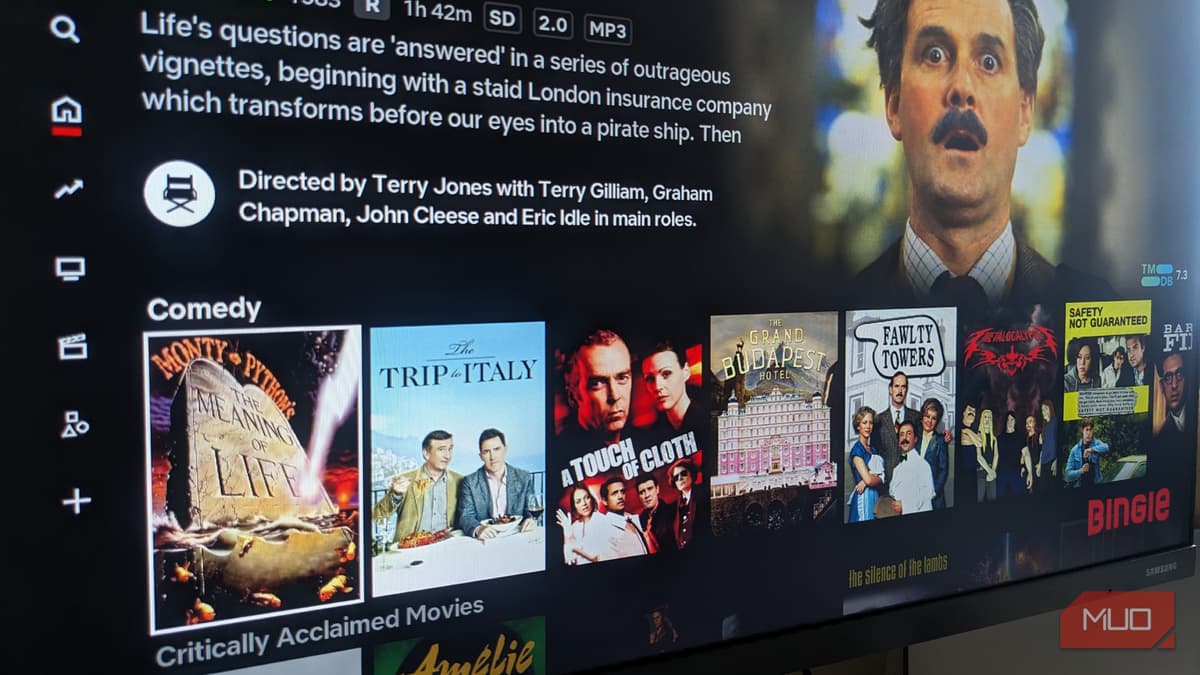
Kodi still exists, still costs nothing, and still beats every streaming service for local media
Comments
Want to join the conversation?
Loading comments...