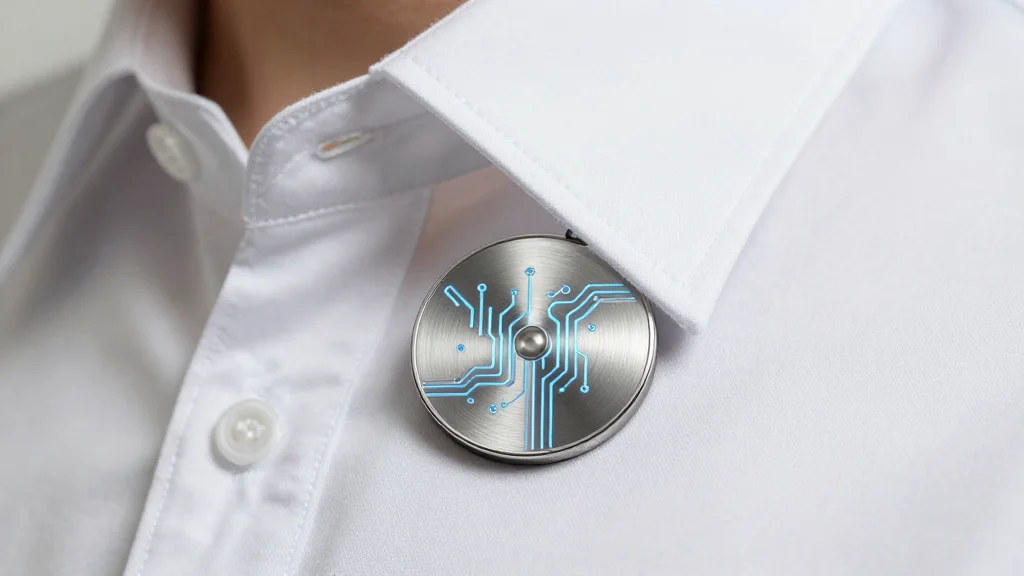
Microsoft Unveils AI Badge at Build, Analysts Question Utility Amid Gadget Glut

Companies Mentioned

Why It Matters
The rush to embed AI into wearables signals a strategic bet that hardware can become a new frontier for AI monetization. If these devices fail to deliver tangible benefits, investors may pull back, slowing the pace of innovation and redirecting capital toward more proven AI services. Conversely, a breakthrough use case could unlock a multi‑billion‑dollar market, reshaping how enterprises and consumers interact with AI on the go. For consumers, the current ambiguity around AI wearables raises concerns about data privacy, device security, and the practical value of constantly connected accessories. The industry’s ability to address these issues will determine whether AI gadgets become a staple of daily life or a fleeting fad.
Key Takeaways
- •Microsoft unveiled an AI badge with touchscreen, fingerprint, Wi‑Fi, 5G and camera at Build.
- •Technical fellow Steven Bathiche demoed the badge, but did not reveal processed images.
- •Analysts compare the badge to a crowded market of AI pins, pendants and the Rabbit R1.
- •OpenAI’s hardware efforts face compute and UX challenges, per Financial Times reporting.
- •Wired reports OpenAI‑backed Opal is pivoting to an AI audio product tested by Sam Altman.
Pulse Analysis
The AI badge debut reflects a broader industry trend: companies are scrambling to attach AI capabilities to physical form factors, hoping to capture new revenue streams beyond cloud services. Historically, wearable tech has succeeded when it solves a clear problem—think fitness trackers for health monitoring. AI wearables, however, are still searching for that hook. Microsoft’s focus on enterprise users suggests a strategic pivot away from consumer hype toward environments where AI can augment workflow, such as real‑time documentation for nurses. Yet the lack of a demonstrable workflow in the Build demo hints that the product may still be in a conceptual phase.
OpenAI’s parallel challenges illustrate that even the most AI‑savvy firms struggle with the hardware equation. Compute constraints and voice‑assistant fatigue are recurring pain points that have slowed adoption of earlier smart speakers. If OpenAI’s Opal audio device can overcome these hurdles, it could set a precedent for a new class of AI peripherals that prioritize seamless interaction over flashy specs. Until then, the market will likely see a consolidation, with only the most functionally robust devices surviving the hype cycle.
Investors should monitor pricing signals, pilot deployments, and any regulatory scrutiny around data collection from always‑on wearables. A clear, quantifiable ROI for enterprise customers could turn the tide, but absent that, the AI gadget surge may remain a speculative bubble that tempers enthusiasm for hardware‑first AI strategies.
Microsoft unveils AI badge at Build, analysts question utility amid gadget glut
Comments
Want to join the conversation?
Loading comments...