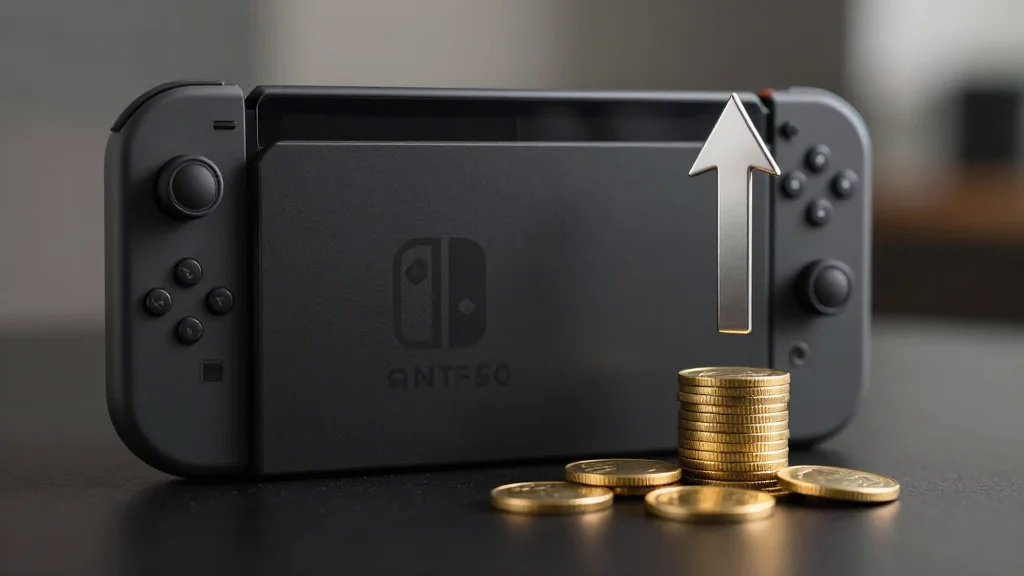
Nintendo to Hike Price of Switch 2 Console Due to Memory Chip Prices
Companies Mentioned
Why It Matters
Higher console prices could pressure consumer demand while safeguarding Nintendo's margins, influencing competitive dynamics with Sony and Microsoft. Investors will watch whether the price hike stabilizes earnings amid a volatile chip supply chain.
Key Takeaways
- •Nintendo raises Switch 2 price in Japan on May 25.
- •North America and Europe price hike starts September 1.
- •Increase driven by soaring semiconductor memory costs.
- •Nintendo aims to protect profit margins amid weak stock performance.
Pulse Analysis
The Switch 2 launch arrives at a time when the global semiconductor industry is grappling with unprecedented memory chip shortages. Prices for DRAM and NAND flash have surged by double‑digit percentages over the past year, driven by heightened demand in data‑center servers and consumer electronics. Nintendo, which relies on high‑capacity LPDDR5 memory for its handheld device, faces cost pressures that cannot be absorbed without affecting its bottom line. By adjusting the retail price, the company aligns its revenue model with the new cost reality, a strategy increasingly common among hardware manufacturers.
From a financial perspective, Nintendo's decision reflects a broader effort to improve operating profitability after a period of stagnant stock performance. The firm posted a modest year‑over‑year revenue decline last quarter, partly due to higher component expenses and a softer gaming market in key regions. Raising the Switch 2 price helps preserve gross margins, which are crucial for funding ongoing game development and future hardware iterations. Compared with Sony's PlayStation 5, which has maintained a relatively stable price despite similar chip cost pressures, Nintendo's move may signal divergent pricing philosophies based on brand positioning and target demographics.
Looking ahead, the memory chip market is unlikely to normalize quickly, as AI workloads and 5G rollout continue to drive demand. Nintendo may explore alternative supply contracts, redesigns that use lower‑cost memory, or even pass additional costs to consumers in future revisions. Investors should monitor how the price increase affects unit sales and whether it triggers a broader pricing trend across the console industry. The outcome will shape Nintendo's ability to sustain its profitable franchise pipeline while navigating an increasingly expensive component landscape.
Nintendo to hike price of Switch 2 console due to memory chip prices
Comments
Want to join the conversation?
Loading comments...