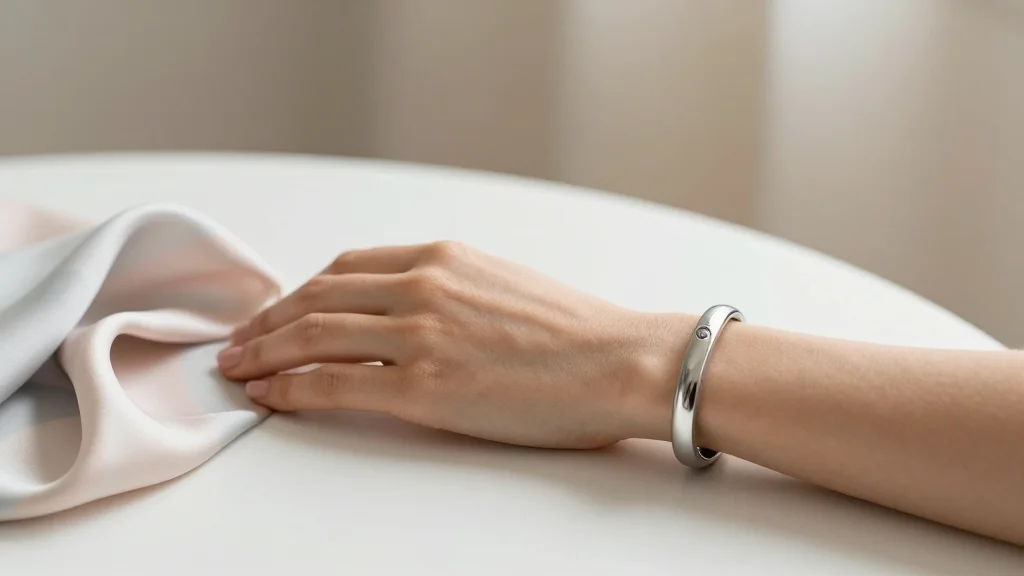
Oura Adds Birth‑Control and Menopause Tracking to Smart Ring

Companies Mentioned
Why It Matters
The addition of hormonal birth‑control and menopause tracking turns a fitness‑oriented wearable into a comprehensive health platform for half the global population. By linking hormonal states to objective biometric signals, Oura gives users and clinicians a richer data set for early detection of irregularities, potentially improving outcomes for conditions like polycystic ovary syndrome or menopause‑related sleep disturbances. For the consumer‑tech industry, Oura’s expansion signals that wearables are moving from passive activity monitors to active health partners. As regulators and privacy advocates scrutinize the handling of reproductive data, companies that can demonstrate robust security and clear user consent will likely set the standard for the next generation of health‑focused devices.
Key Takeaways
- •Oura’s Hormonal Birth Control support launches globally on May 6
- •Feature tracks over 20 contraception methods and links them to temperature, sleep and recovery
- •Menopause Insights introduces a proprietary Menopause Impact Scale
- •Updates roll out via software to existing Oura Ring users
- •Adds a new health‑data dimension that could attract a broader user base
Pulse Analysis
Oura’s decision to embed hormonal health into its smart ring reflects a strategic pivot toward niche, high‑value health verticals. While most wearables compete on step counts and heart‑rate accuracy, Oura is leveraging its reputation for precise temperature and sleep tracking to fill a gap in women’s health data. This differentiation could translate into higher subscription retention, as users who rely on the platform for reproductive insights are less likely to switch to a generic fitness tracker.
Historically, wearable adoption has plateaued in mature markets, prompting manufacturers to seek new revenue streams through health services. Oura’s approach mirrors the broader industry trend of bundling data analytics with device sales, effectively turning hardware into a subscription‑driven health platform. The company’s focus on privacy—especially in a post‑Roe legal environment—will be a critical factor in user trust. If Oura can demonstrate airtight data protection while delivering clinically relevant insights, it may set a benchmark that other players will need to follow.
Looking ahead, the success of these features will depend on integration with healthcare ecosystems. Seamless data sharing with clinicians could open pathways to reimbursable digital health services, further solidifying Oura’s position in the consumer‑tech health stack. Conversely, any missteps in data handling or user experience could invite regulatory scrutiny and erode the brand’s premium appeal. The rollout on May 6 will be the first real test of whether hormonal health tracking can become a mainstream driver of wearable adoption.
Oura Adds Birth‑Control and Menopause Tracking to Smart Ring
Comments
Want to join the conversation?
Loading comments...