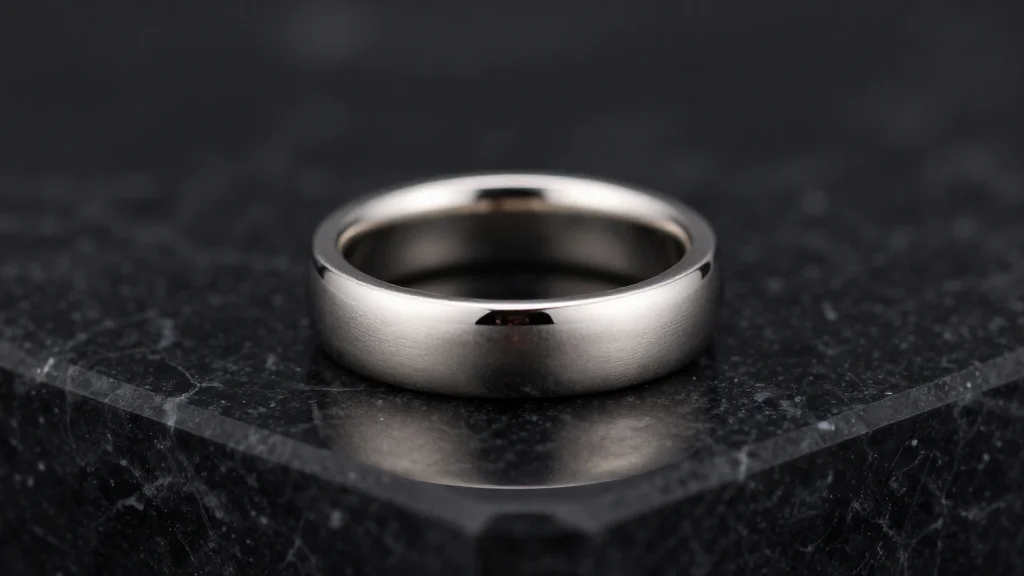
Prxxhri $53 Smart Ring Beats Smartwatches in Amazon Sales, Fueling Minimalist Wearable Trend

Companies Mentioned

Why It Matters
The Prxxhri smart ring’s breakout performance highlights a consumer appetite for health devices that blend seamlessly with everyday attire. By delivering reliable biometric data at a fraction of the cost of traditional smartwatches, the ring lowers the barrier to entry for continuous health monitoring, potentially expanding the overall addressable market for wearable tech. This shift could accelerate data‑driven health initiatives, from personal wellness programs to large‑scale epidemiological studies that rely on widespread sensor adoption. Furthermore, the ring’s success pressures incumbent manufacturers to innovate beyond the wrist. If minimalist wearables become mainstream, we may see a diversification of form factors—earbuds, patches, and even clothing‑integrated sensors—each competing for a share of the health‑tech pie. The competitive pressure could drive faster feature development, lower prices, and broader integration with health ecosystems, benefitting consumers and healthcare providers alike.
Key Takeaways
- •Prxxhri Smart Ring priced at $53 becomes Amazon’s best‑selling health wearable.
- •Ring offers heart‑rate, blood‑pressure, sleep and activity tracking with four sensors.
- •Battery lasts up to five days; no subscription required.
- •Price undercuts premium smartwatches that typically cost $300‑$400.
- •Analysts see the trend prompting smartwatch makers to explore slimmer, cheaper devices.
Pulse Analysis
The surge of the Prxxhri smart ring underscores a broader consumer fatigue with the ‘one‑size‑fits‑all’ smartwatch model. Historically, wearables have been anchored to the wrist, a design choice that maximizes screen real estate but compromises comfort for many users. The ring’s success suggests that the market is ready for a paradigm shift where form factor is as important as function. This mirrors the early days of the smartphone, where devices that combined utility with elegance—like the original iPhone—disrupted entrenched players.
From a competitive standpoint, the ring forces a strategic recalibration. Apple, Samsung, and Garmin have built ecosystems around their wrist‑based platforms, leveraging app stores, health APIs and subscription services. To stay relevant, they may need to either acquire niche ring manufacturers or develop their own discreet devices that can feed data into existing ecosystems. The low price point also democratizes health tracking, potentially increasing the volume of user‑generated health data that can be anonymized for research, a boon for public health initiatives.
Looking forward, the key question is sustainability. While early adopters praise comfort and affordability, long‑term retention will hinge on data accuracy, software updates, and integration with broader health platforms. If Prxxhri can maintain a high NPS (Net Promoter Score) and expand its feature set without inflating costs, it could cement a new category of budget‑friendly, discreet wearables that reshapes the consumer tech landscape for years to come.
Prxxhri $53 Smart Ring Beats Smartwatches in Amazon Sales, Fueling Minimalist Wearable Trend
Comments
Want to join the conversation?
Loading comments...