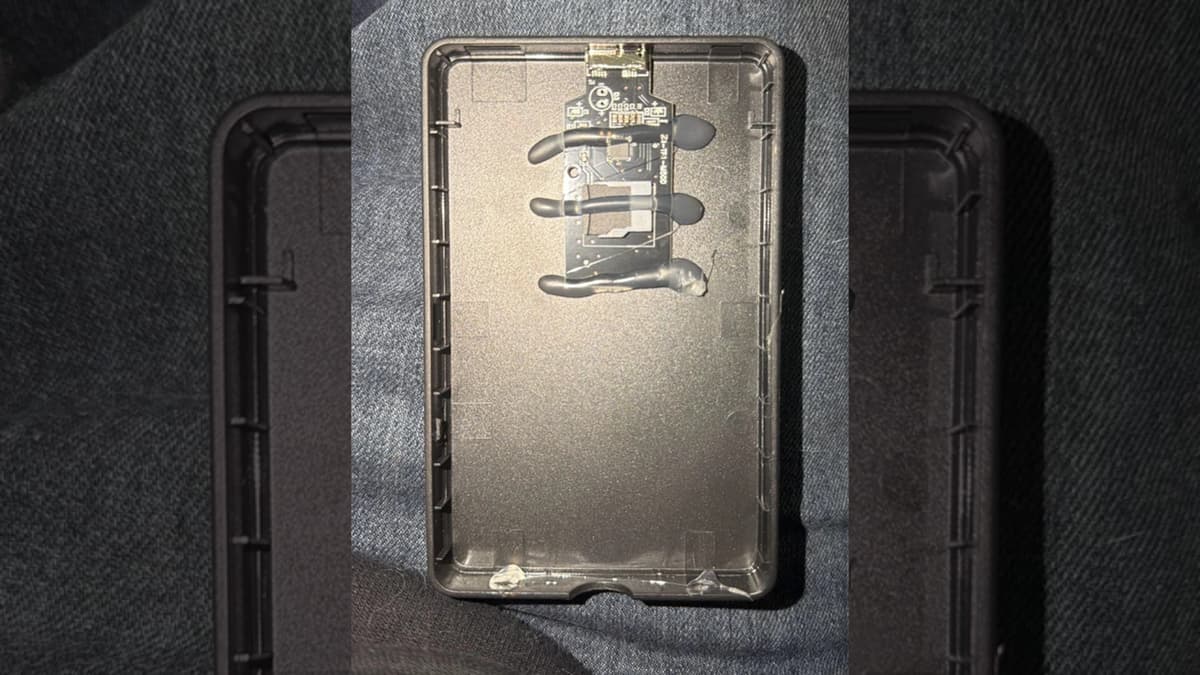
Redditor Gambles $20 on a 4TB Temu External HDD — Receives a microSD Card Reader Hot-Glued Inside a Plastic Box
Companies Mentioned
Why It Matters
The incident exposes how inflated component costs and aggressive discount platforms create fertile ground for counterfeit hardware, eroding consumer trust and risking data loss. It signals a need for stricter vetting of low‑price tech listings and better consumer education.
Key Takeaways
- •Temu sold a $20 “4TB” HDD that was only a microSD reader
- •Real 4TB WD My Passport costs about $720, highlighting the price disparity
- •Refund was processed quickly, but the product was a clear counterfeit
- •Fake storage drives surge as AI‑driven chip shortage inflates SSD/HDD prices
- •Use H2testw or similar tools to verify claimed drive capacity
Pulse Analysis
The Reddit‑driven expose of a $20 "4TB" external drive from Temu underscores a growing menace in the consumer electronics market: ultra‑cheap storage that delivers nothing beyond a plastic shell and a microSD reader. While the price point seemed a harmless gamble compared with a legitimate 4TB WD My Passport priced near $720, the reality was a blatant counterfeit that offered no usable capacity. The swift refund from Temu may soften immediate financial loss, but it does little to address the underlying risk of data integrity and the erosion of trust in budget‑centric e‑commerce platforms.
This episode is not an isolated glitch; it is symptomatic of a broader supply‑chain crunch. AI‑driven demand for high‑performance GPUs and SSDs has intensified a global chip shortage, inflating the cost of genuine storage solutions. Scammers capitalize on this scarcity, marketing fake drives that mimic the look of reputable brands while delivering far less—often just a microSD card or a repurposed controller board. Consumers can spot many of these fakes by weight, build quality, and performance tests. Tools like H2testw, F3, or the built‑in Windows Disk Management utility can quickly reveal mismatched capacity, preventing data loss before it happens.
For marketplaces like Temu, the challenge lies in balancing low‑price appeal with product authenticity. Implementing stricter vendor verification, mandatory third‑party testing, and clearer return policies could mitigate the spread of counterfeit hardware. Meanwhile, savvy shoppers should treat sub‑$50 storage offers with skepticism, verify specifications using free diagnostic software, and consider the total cost of ownership—including potential data recovery expenses—when evaluating ultra‑cheap tech deals.
Redditor gambles $20 on a 4TB Temu external HDD — receives a microSD card reader hot-glued inside a plastic box
Comments
Want to join the conversation?
Loading comments...