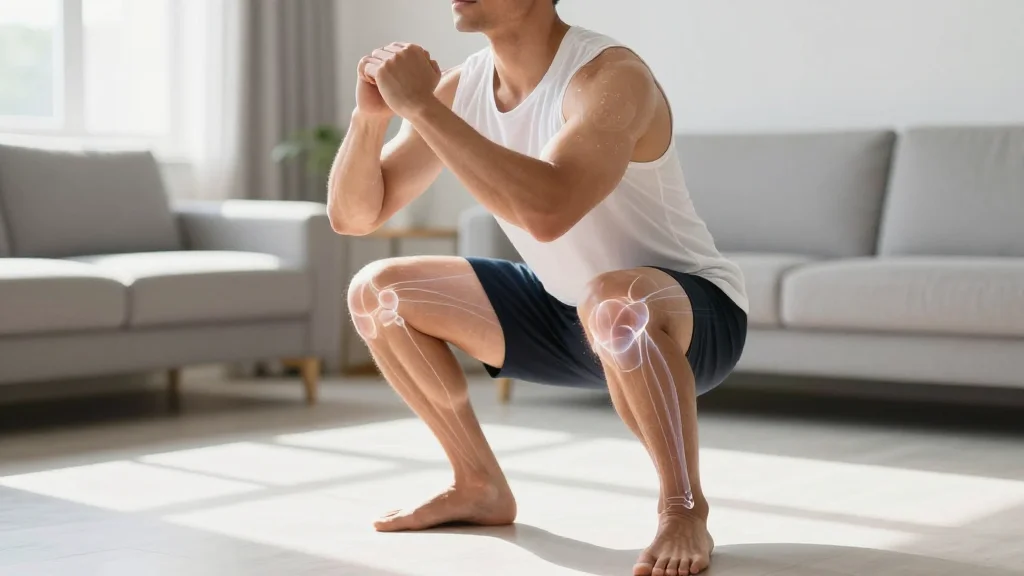
Researchers Unveil BioCoach AI System that Gives Real‑time Biomechanics Feedback for Home Workouts

Companies Mentioned
Why It Matters
At‑home exercise surged during the pandemic, but safety standards lagged, leading to a near‑50% increase in related injuries. BioCoach’s ability to deliver joint‑specific, timed feedback could dramatically reduce these risks, making home workouts more accessible to beginners and those with limited access to personal trainers. Moreover, the research demonstrates that AI can move beyond superficial video analysis to incorporate structured biomechanical data, a shift that may influence the design of future consumer fitness products. Beyond injury prevention, the technology could unlock new revenue streams for fitness platforms seeking differentiation. By offering scientifically grounded coaching, companies can justify premium pricing and improve user retention, addressing a key challenge in the crowded digital‑fitness market.
Key Takeaways
- •BioCoach prototype combines 3‑D CNN visual analysis with skeletal motion estimation
- •Trained on an expanded QEVD‑bio‑fit‑coach dataset: >200 videos, >2,400 detailed coaching notes
- •U.S. Consumer Product Safety Commission reports a 48% rise in at‑home workout injuries
- •System prioritizes exercise‑specific joints, delivering timely, biomechanically grounded cues
- •Field trials planned for later 2026 to test real‑world effectiveness and scalability
Pulse Analysis
BioCoach illustrates a pivotal evolution from generic, motivation‑driven fitness apps toward data‑rich, injury‑preventive coaching. Historically, consumer fitness technology has focused on metrics like heart rate and rep counts, leaving form assessment to human trainers or low‑fidelity video overlays. By integrating 3‑D pose estimation with domain‑specific biomechanics, BioCoach bridges that gap, offering a level of precision previously reserved for professional sports labs.
The timing aligns with broader hardware trends: smartphones now embed LiDAR and depth sensors, while affordable wearables can capture inertial data. These capabilities lower the barrier for deploying BioCoach‑style solutions at scale, suggesting that the prototype could transition to a commercial product within a few development cycles. However, adoption will hinge on user trust in AI‑generated advice and the ability to deliver feedback without latency—a technical challenge that the research team appears to have addressed through synchronized dual‑stream processing.
From a market perspective, the home‑fitness sector is entering a consolidation phase after a pandemic‑driven boom. Companies that can differentiate through safety and performance outcomes stand to capture premium segments. BioCoach’s academic pedigree and open‑source dataset could also foster ecosystem partnerships, enabling platforms like Peloton, Apple Fitness+, or emerging smart‑mirror brands to embed the technology without building it from scratch. If field trials confirm efficacy, we may see a wave of AI‑enhanced coaching products that redefine consumer expectations for safe, effective home workouts.
Researchers unveil BioCoach AI system that gives real‑time biomechanics feedback for home workouts
Comments
Want to join the conversation?
Loading comments...