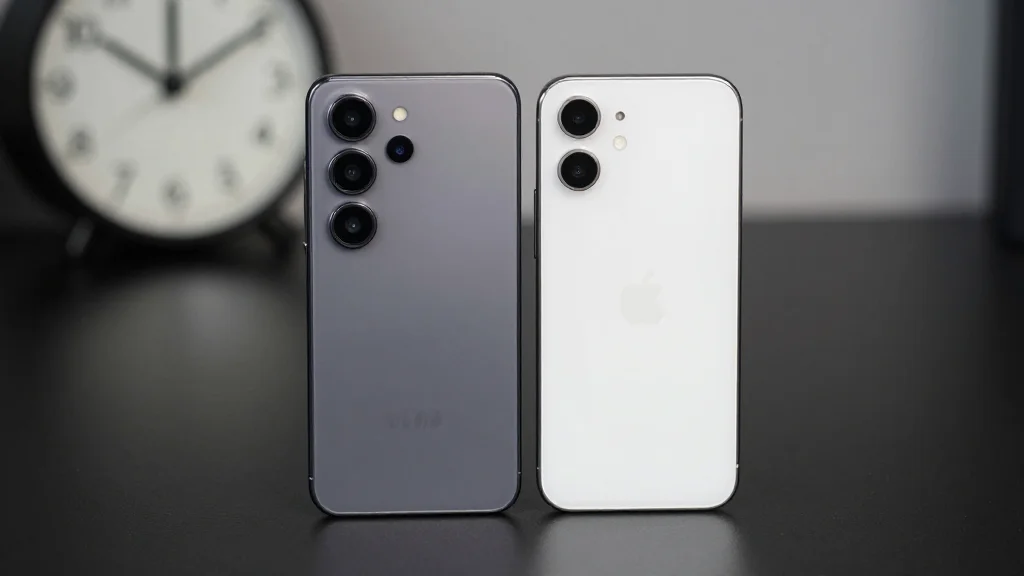
Samsung Delay Boosts Apple iPhone 17 Sales as Galaxy S26 Launch Slides

Companies Mentioned
Why It Matters
The Samsung delay illustrates how launch timing can swing market share in a mature, price‑sensitive segment. With the U.S. smartphone market shrinking, manufacturers that can align product introductions with consumer demand cycles gain a decisive edge. Apple’s steady pricing strategy, combined with incremental feature upgrades, reinforces a model that could become the benchmark for premium smartphones. For Android OEMs, the episode underscores the risk of supply‑chain‑driven launch postponements. As memory‑chip costs stay elevated, manufacturers must decide whether to absorb higher expenses, pass them to consumers, or risk losing shelf‑time to competitors. The outcome will shape pricing dynamics and competitive positioning throughout 2026.
Key Takeaways
- •Samsung delayed the Galaxy S26 launch to March 11, a two‑month shift from its usual January schedule.
- •Apple’s iPhone 17 sales in the U.S. grew 1.3% YoY in Q1 2026 while the overall smartphone market fell 5.7%.
- •iPhone 17e retained a $599 price point with an added 256 GB of storage, boosting its value proposition.
- •Samsung raised Galaxy S26 base and Plus prices by $100 and discontinued the 128‑GB entry model.
- •Counterpoint Research predicts Apple’s price stability will make it hard for Android OEMs to compete in 2026.
Pulse Analysis
Samsung’s launch slip is a textbook case of how supply‑chain volatility can translate into market share loss. In a sector where product cycles are tightly choreographed, a two‑month delay not only surrenders early‑quarter sales to Apple but also erodes brand momentum built around annual flagship events. Apple’s decision to keep the iPhone 17e price flat while adding storage is a strategic play that leverages consumer price‑sensitivity amid rising component costs. By offering more storage for the same price, Apple effectively raises the perceived value without inflating the sticker price, a tactic that resonates with cost‑conscious buyers.
For Android makers, the dilemma is stark: absorb higher memory‑chip expenses, risk price hikes that could alienate price‑sensitive segments, or gamble on delayed launches that cede market real estate. Samsung’s $100 price increase may protect margins short‑term, but it also narrows the price gap that previously allowed Android devices to compete on cost. If Apple maintains its pricing discipline, the premium segment could see a widening gap in both margin and market share, pressuring Android OEMs to innovate on features or services rather than price alone.
Looking forward, the episode could accelerate a shift toward diversified launch strategies, such as staggered regional rollouts or mid‑year refreshes, to mitigate the impact of component shortages. Apple’s upcoming iPhone 18 will test whether its pricing approach can sustain growth without compromising profitability. Meanwhile, Samsung will need to demonstrate that its March launch can recoup the lost quarter and re‑establish its cadence, or risk a longer‑term erosion of its foothold in the U.S. premium market.
Samsung Delay Boosts Apple iPhone 17 Sales as Galaxy S26 Launch Slides
Comments
Want to join the conversation?
Loading comments...