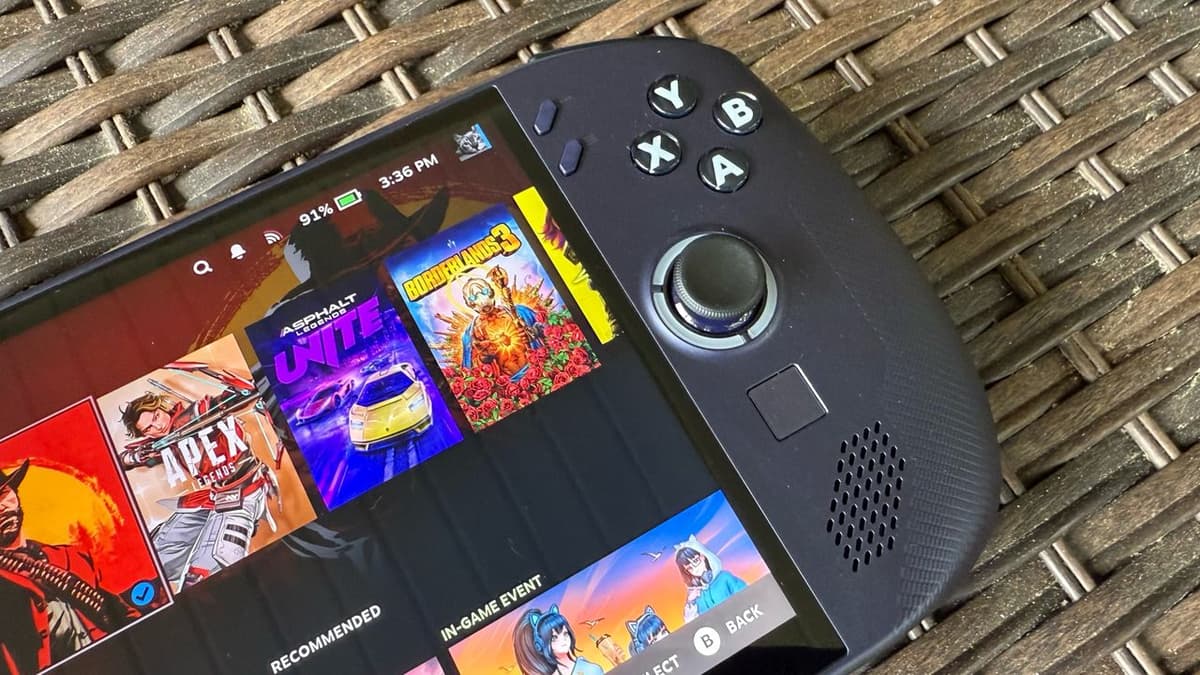
Steam Shown Running on Nintendo Switch Thanks to Latest Proton Beta — FEX 2604 Translates X86 to ARM-Friendly Instructions on Linux
Companies Mentioned


Why It Matters
Native ARM support lets Steam reach a growing market of handheld and low‑power devices, expanding Linux gaming’s footprint and reducing reliance on cloud streaming. It also gives developers a broader hardware base for native releases.
Key Takeaways
- •Proton 11.0‑Beta1 adds native ARM64 support for Steam on Linux
- •FEX 2604 translates x86 instructions to ARM, enabling local game runs
- •Demo shows Steam UI and Hades 2 running on Nintendo Switch
- •Valve plans a verified game list for Arm‑based Steam Frame hardware
- •Additional beta fixes improve overlay and intro video playback across titles
Pulse Analysis
The introduction of ARM64 compatibility in Proton 11.0‑Beta1 marks a watershed moment for Linux gaming. Historically, Steam’s Linux client has been confined to x86 architectures, limiting its reach to devices like the Steam Deck. By embedding FEX 2604, Valve now offers a translation layer that converts x86 binaries into ARM‑friendly instructions, allowing games to execute locally on devices powered by Qualcomm Snapdragon, Apple M‑series, or custom ARM SoCs. This shift not only broadens the hardware ecosystem but also lowers latency compared with traditional game‑streaming solutions.
From a technical perspective, the beta demonstrates that performance‑critical titles can run at respectable frame rates on modest ARM hardware. In a community‑sourced demo, Hades 2 rendered at 1400p on a Nintendo Switch running Ubuntu Noble, a feat previously thought impossible without cloud assistance. Valve’s plan to create a "Verified" list for the upcoming Steam Frame headset mirrors the Deck’s compatibility program, giving consumers clear guidance on which games run natively and which may still benefit from streaming. The inclusion of new certified titles—such as Resident Evil, Warhammer: Vermintide 2, and SHOGUN: Total War—shows developers are already testing their builds on the new stack.
Market implications are significant. As ARM chips become more powerful and cost‑effective, manufacturers of handhelds and low‑power laptops can now bundle a full Steam experience without relying on x86 CPUs. This could accelerate competition against the Steam Deck and even challenge Windows‑centric handhelds. For developers, the expanded platform reduces the barrier to reaching mobile‑first audiences, encouraging native ARM ports and potentially reshaping revenue models. In the broader PC gaming landscape, Valve’s move reinforces Linux’s credibility as a first‑class gaming OS and may spur other distributors to adopt similar translation layers, further diversifying the ecosystem.
Steam shown running on Nintendo Switch thanks to latest Proton Beta — FEX 2604 translates x86 to ARM-friendly instructions on Linux
Comments
Want to join the conversation?
Loading comments...