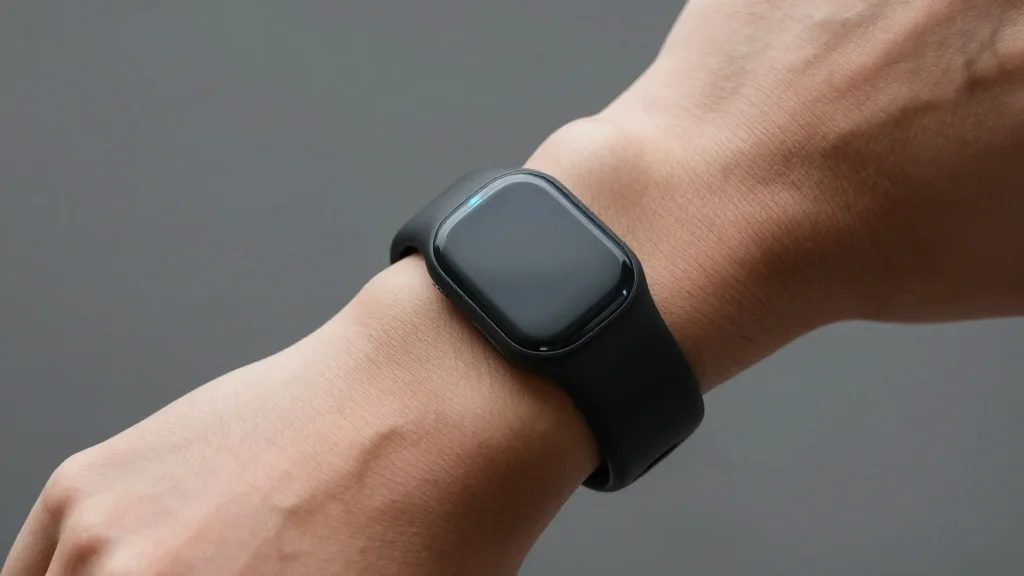
Study Finds Wrist May Be Suboptimal for Health Tracking, Sparking Shift to New Wearable Locations

Why It Matters
The findings challenge the entrenched design paradigm that has defined the wearable market for over a decade. If wrist placement proves consistently less accurate, manufacturers may need to re‑engineer hardware, software and user interfaces to accommodate new form factors. This could accelerate competition among firms that already offer rings, earbuds or body patches, reshaping market share and potentially lowering prices through diversification. Beyond competition, the shift has public‑health implications. More accurate, comfortable sensors could improve early detection of cardiac irregularities and other conditions, reducing reliance on clinical visits and expanding the role of consumer tech in preventive medicine. Regulators may also scrutinize claims of medical‑grade accuracy more closely as devices move closer to diagnostic use. Finally, the move could influence investor sentiment. Companies that successfully pivot to multi‑site wearables may attract higher valuations, while those locked into wrist‑only designs could see their growth prospects wane. The industry’s ability to adapt will likely dictate the next wave of funding and M&A activity in the consumer health tech space.
Key Takeaways
- •Research shows sensor placement affects PPG accuracy, though fit and metric matter more
- •Whoop band can be worn on wrist, bicep, sports bra or underwear, expanding use cases
- •Alternative wearables include Oura Ring (finger), Apple AirPods Pro 3 (earbuds) and Lumia earrings
- •PPG uses reflected light, making it less precise than ECG which captures electrical heart activity
- •Companies plan new products beyond the wrist, aiming for clinical‑grade data in consumer form factors
Pulse Analysis
The wearable sector has long leveraged the wrist as a convenient anchor point, borrowing from the historical evolution of pocket watches. That convenience, however, is now colliding with a demand for medical‑grade precision. The new research underscores a classic trade‑off: proximity to rich capillary beds versus user comfort. While the wrist offers easy access and a familiar UI canvas, its relatively low perfusion and higher motion artifacts limit PPG fidelity. By contrast, sites like the fingertip or forearm provide denser capillary networks and more stable contact, yielding cleaner signals.
From a competitive standpoint, the data opens a strategic window for challengers. Companies that have already invested in non‑wrist form factors—Oura, Apple (with earbuds), and emerging e‑earring startups—can now position themselves as the next generation of health monitors. Established players such as Fitbit and Garmin may need to accelerate R&D on alternative sensor placements or risk losing the high‑accuracy segment to newcomers. This could trigger a wave of acquisitions, as larger firms seek to absorb niche technologies that already solve the placement problem.
Looking forward, the convergence of better sensor tech, AI‑driven analytics and regulatory acceptance could blur the line between consumer wearables and medical devices. If manufacturers can demonstrate that a ring or patch meets FDA or CE standards for arrhythmia detection, they may unlock new reimbursement pathways and insurance coverage, dramatically expanding market size. Investors should watch for partnerships between wearable makers and health‑system providers, as well as any regulatory filings that signal a shift from wellness to diagnostic use. The next 12‑18 months will likely reveal whether the wrist will retain its dominance or become just one of many viable locations for health tracking.
Study Finds Wrist May Be Suboptimal for Health Tracking, Sparking Shift to New Wearable Locations
Comments
Want to join the conversation?
Loading comments...