Two Years without a Laptop Taught Me What Android Can't Do (and Linux Can)
Why It Matters
The shift underscores Linux’s superior performance, media‑management, and server capabilities for power users, revealing Android’s limits for demanding workloads. It signals a broader trend of hybrid device strategies in professional tech environments.
Key Takeaways
- •Android desktop struggled with high‑end gaming; Linux handled RTX 2070 Super
- •Linux provides Calibre and HandBrake for media library management
- •Android phones lack reliable 24/7 server capabilities compared to Linux PCs
- •Hybrid workflow keeps Android for voice/handwriting input, Linux for editing
Pulse Analysis
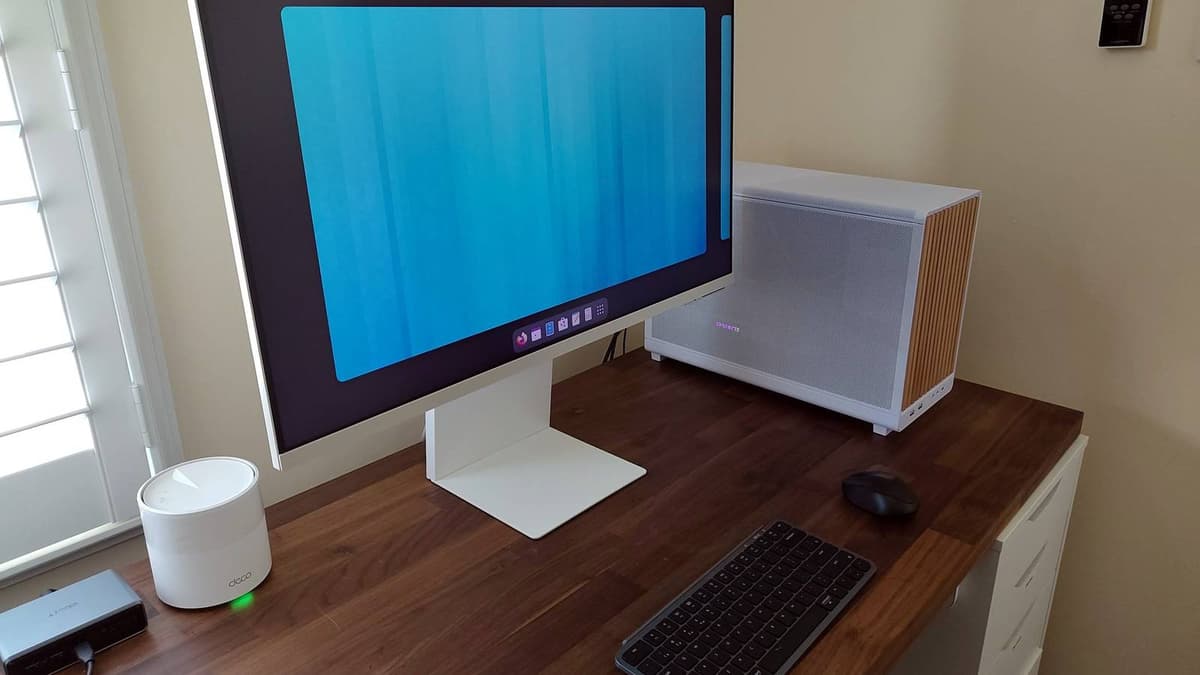
The author’s return to a Linux workstation illustrates how modern GPUs can revitalize a mobile‑first setup. By installing an NVIDIA RTX 2070 Super in a custom PC, he unlocked full‑resolution gaming on titles that Android’s DeX environment simply cannot render. This performance jump not only validates the continued relevance of desktop‑grade hardware for enthusiasts but also highlights Linux’s driver ecosystem, which consistently outpaces Android’s limited graphics support.
Beyond gaming, Linux shines in media digitization and home‑server tasks. Applications such as Calibre and HandBrake have been stable, open‑source staples on Linux for years, enabling users to manage DRM‑free e‑books and convert DVDs without resorting to cloud services. Meanwhile, self‑hosting platforms like Nextcloud or Immich run reliably on Linux servers, offering 24/7 uptime that Android phones struggle to guarantee due to battery constraints and background process limitations. This reliability is crucial for professionals who need persistent data access and control.
Despite the advantages of a full Linux desktop, the author maintains a hybrid workflow that leverages Android’s strengths in voice‑to‑text and stylus input. Tools like Samsung’s S Pen and Wispr Flow allow rapid drafting on the go, with QuickShare seamlessly syncing content to the Linux machine for polishing. This blend of mobile convenience and desktop power reflects a growing pattern where tech‑savvy workers combine the best of both ecosystems to maximize productivity.
Two years without a laptop taught me what Android can't do (and Linux can)
Comments
Want to join the conversation?
Loading comments...