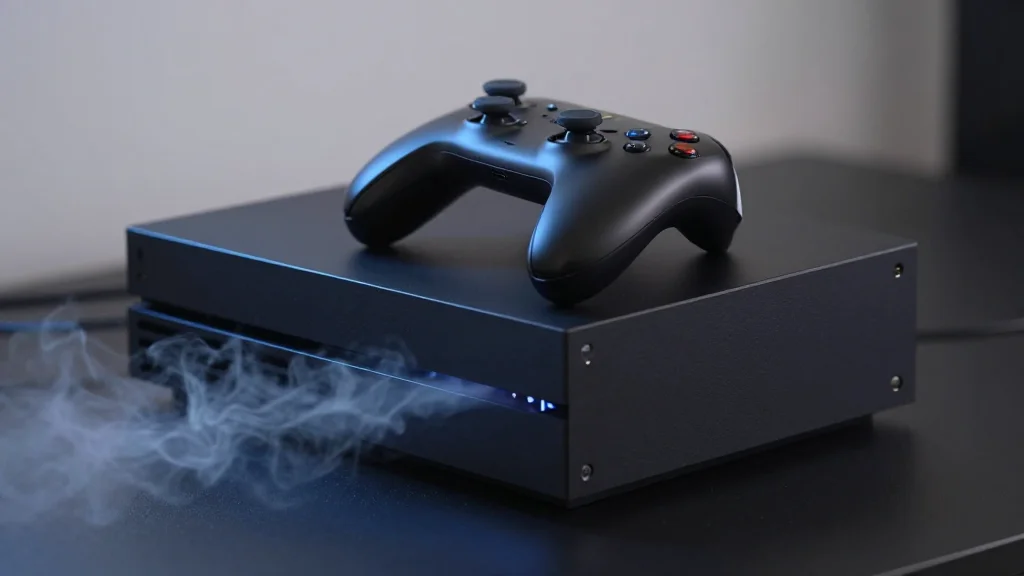
Valve's Steam Machine Targets Early 2026 After Backend Update Signals Launch Window

Companies Mentioned

Why It Matters
The Steam Machine could redefine the console market by blurring the line between PC gaming and traditional consoles, offering a single device that runs the full Steam library without the need for a separate PC. Its launch timing is critical: a successful early‑2026 release would give Valve a foothold before the holiday season, potentially reshaping consumer expectations for hardware flexibility and performance. Moreover, the device's pricing will serve as a barometer for how the broader industry navigates the ongoing semiconductor shortage. If Valve can price the Steam Machine competitively despite component inflation, it may set a precedent for other manufacturers to follow, influencing pricing strategies across the console ecosystem.
Key Takeaways
- •Valve added a Steam Machine welcome tour to its backend on May 30, 2026.
- •The update suggests a launch window in the first half of 2026, likely before June.
- •Analysts warn the base price could exceed $1,000 due to RAM and SSD shortages.
- •Steam Deck shipments were replenished shortly before the backend change.
- •Pricing pressure affects all major console makers, with recent hikes from Xbox, Sony, and Nintendo.
Pulse Analysis
Valve's incremental approach—first securing the Steam Deck supply chain, then signaling the Steam Machine's readiness via a backend tutorial—mirrors its past strategy of using software experiences to generate hype before hardware launches. This tactic reduces risk by gauging consumer interest through engagement metrics on the welcome tour, allowing Valve to fine‑tune pricing and production volumes before committing to a full roll‑out.
Historically, hybrid devices have struggled to achieve mass‑market appeal; the Xbox One X and PlayStation 5 Pro concepts never materialized, largely because price elasticity in the console segment is low. However, the Steam Machine's unique value proposition—full PC capability in a console chassis—could attract a niche of enthusiasts willing to pay a premium for convenience. If Valve can deliver a competitively priced, well‑optimized product, it may carve out a new segment that forces traditional console makers to reconsider their hardware roadmaps.
Looking ahead, the key variables will be component availability and consumer perception of value. Should the global chip shortage ease faster than expected, Valve might be able to lower the price ceiling, expanding its addressable market. Conversely, prolonged scarcity could cement the Steam Machine as a high‑end, limited‑run product, limiting its impact on the broader console ecosystem. Either scenario will provide valuable data points for the industry on how to price and position hybrid gaming hardware in a constrained supply environment.
Valve's Steam Machine Targets Early 2026 After Backend Update Signals Launch Window
Comments
Want to join the conversation?
Loading comments...