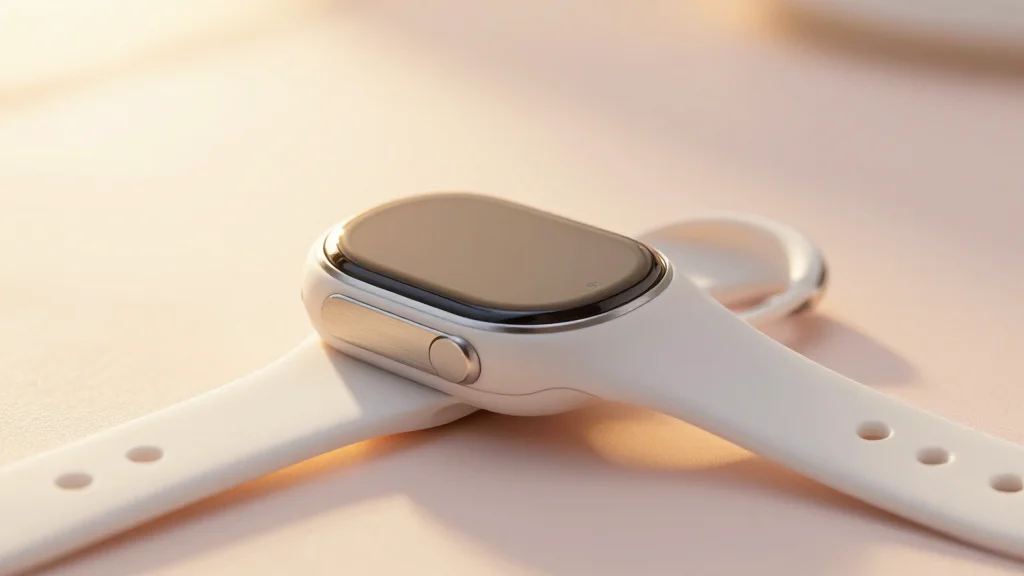
Wearables that Track Sun Exposure Are Here and Ready to Disrupt the Sun-Care Market
Companies Mentioned
Why It Matters
The Gem adds a personalized data layer to skin health, opening new revenue streams and influencing beauty‑tech strategies as consumer demand for individualized sun protection accelerates.
Key Takeaways
- •The90's Gem wearable tracks UVA and UVB in real time.
- •Gem priced at $299 DTC, includes necklace and app access.
- •Sun-care market projected to exceed $20 billion by 2035.
- •The90 raised $3 million, backed by influencer Lauren Bosstick.
- •Plans include Oura, Whoop integration and expansion to retail.
Pulse Analysis
The sun‑care industry is undergoing a rare regulatory shift. On June 9 the FDA added Bemotrizinol, a UV filter long used in Europe and Asia, to its list of approved sunscreen actives—the first new ingredient in more than two decades. DSM‑Firmenich secured an 18‑month exclusivity, signaling confidence in higher‑performance formulas. Analysts see this as a catalyst for a broader market renaissance, with S&S Insider forecasting the global sun‑care segment to top $20 billion by 2035, driven by heightened consumer focus on skin‑cancer prevention and anti‑aging.
Against that backdrop, The90 introduced the Gem, a compact wearable that measures both UVA (aging) and UVB (burn) radiation through an onboard photodiode. Unlike generic UV‑index forecasts, the device delivers personalized exposure data and pushes real‑time shade alerts via a companion app that accounts for individual sunscreen use, skin type and vitamin‑D needs. Priced at $299, the Gem bundles a gold‑ or silver‑toned necklace, positioning it as a beauty accessory rather than a pure health gadget. The startup closed a $3 million seed round led by influencer‑investor Lauren Bosstick, and now employs ten full‑time staff plus fifty freelancers.
The Gem’s true ambition lies in building a data layer for beauty tech. Salvi envisions seamless integration with established health wearables such as Oura and Whoop, allowing sun‑exposure metrics to inform sleep, mood and productivity analytics. A future retail rollout through Ulta, Sephora and Amazon could broaden reach beyond early‑adopter women, while upcoming designs—including watch clips and waterproof versions—aim to capture the male segment. If the device gains traction, it could unlock new monetization models, from subscription‑based sunscreen recommendations to licensed data partnerships, reshaping how the industry quantifies and markets sun protection.
Wearables that track sun exposure are here and ready to disrupt the sun-care market
Comments
Want to join the conversation?
Loading comments...