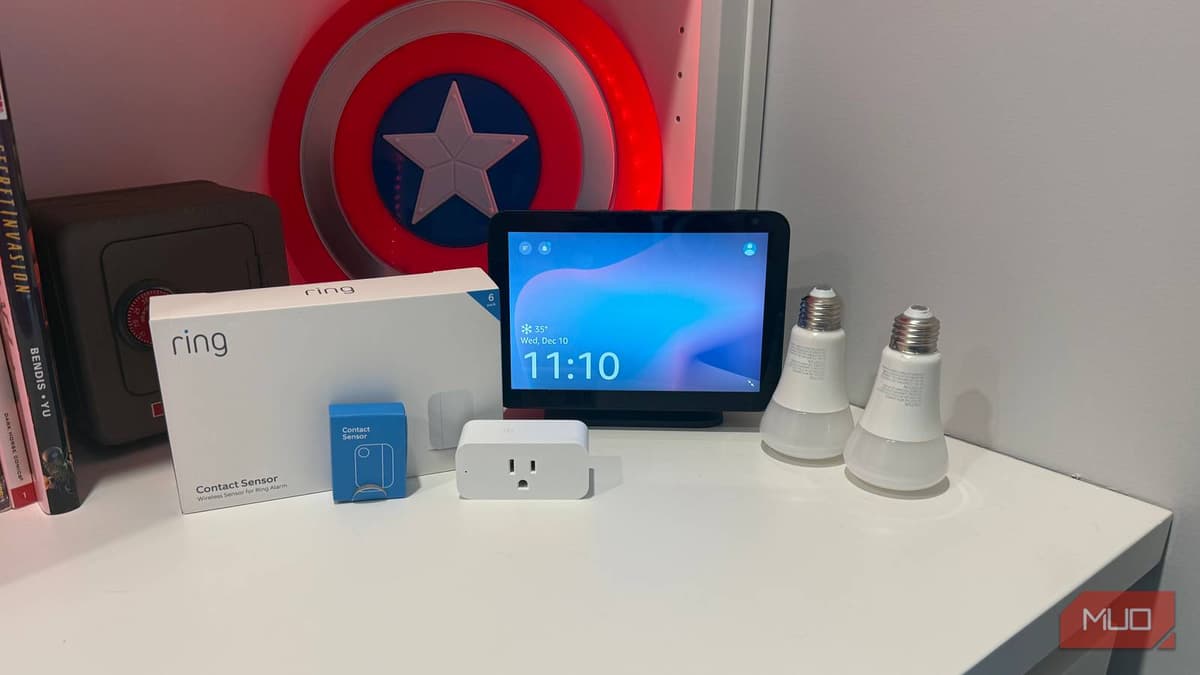
You Don't Need a Smart Home Hub if You Pick the Right Platform From the Start
Companies Mentioned
Why It Matters
Early platform commitment cuts hardware costs and simplifies user experience, accelerating smart‑home adoption across the consumer market.
Key Takeaways
- •Wi‑Fi + Matter devices run via Alexa or Google without extra hardware
- •Zigbee/Z‑Wave still require protocol‑specific bridges or controllers
- •HomeKit needs an Apple TV or HomePod as a built‑in hub
- •Choosing a platform first prevents incompatible purchases and returns
- •Thread devices use built‑in border routers in newer smart speakers
Pulse Analysis
The smart‑home landscape has shifted dramatically over the past decade. Early adopters relied on hubs to translate between fragmented protocols like Zigbee, Z‑Wave, and proprietary Wi‑Fi stacks. As Wi‑Fi modules became cheaper and cloud‑based platforms matured, manufacturers began embedding native support for major voice assistants. The introduction of Matter—a unified IP‑based standard backed by Amazon, Google, Apple, and the Connectivity Standards Alliance—has further eroded the hub’s relevance, allowing a single device to appear instantly in multiple ecosystems without additional hardware.
For consumers, the strategic choice of an ecosystem now drives the entire purchasing process. Alexa and Google Home both offer robust app‑centric control, enabling Wi‑Fi and Matter devices to be added with a QR scan and managed without a middleman. Apple’s HomeKit, while requiring an Apple TV or HomePod for remote access, still leverages existing hardware many households already own. This convergence reduces the total cost of ownership and shortens the learning curve, making smart‑home technology more approachable for mainstream buyers. Brands that prioritize Matter certification gain immediate shelf‑space across platforms, accelerating market penetration.
Nevertheless, niche protocols retain value for specific use cases. Zigbee and Z‑Wave excel in dense mesh networks, delivering reliable low‑latency control for lighting and security sensors. Their continued relevance means bridges or protocol‑specific controllers will still appear in premium installations. Thread, embedded in newer Echo, Apple TV 4K, and HomePod mini devices, offers a seamless mesh alternative without extra purchases. Manufacturers that design with these layers in mind—defaulting to Wi‑Fi/Matter while offering optional bridges—will capture both cost‑conscious homeowners and power users, positioning themselves for sustained growth in the evolving smart‑home market.
You don't need a smart home hub if you pick the right platform from the start
Comments
Want to join the conversation?
Loading comments...