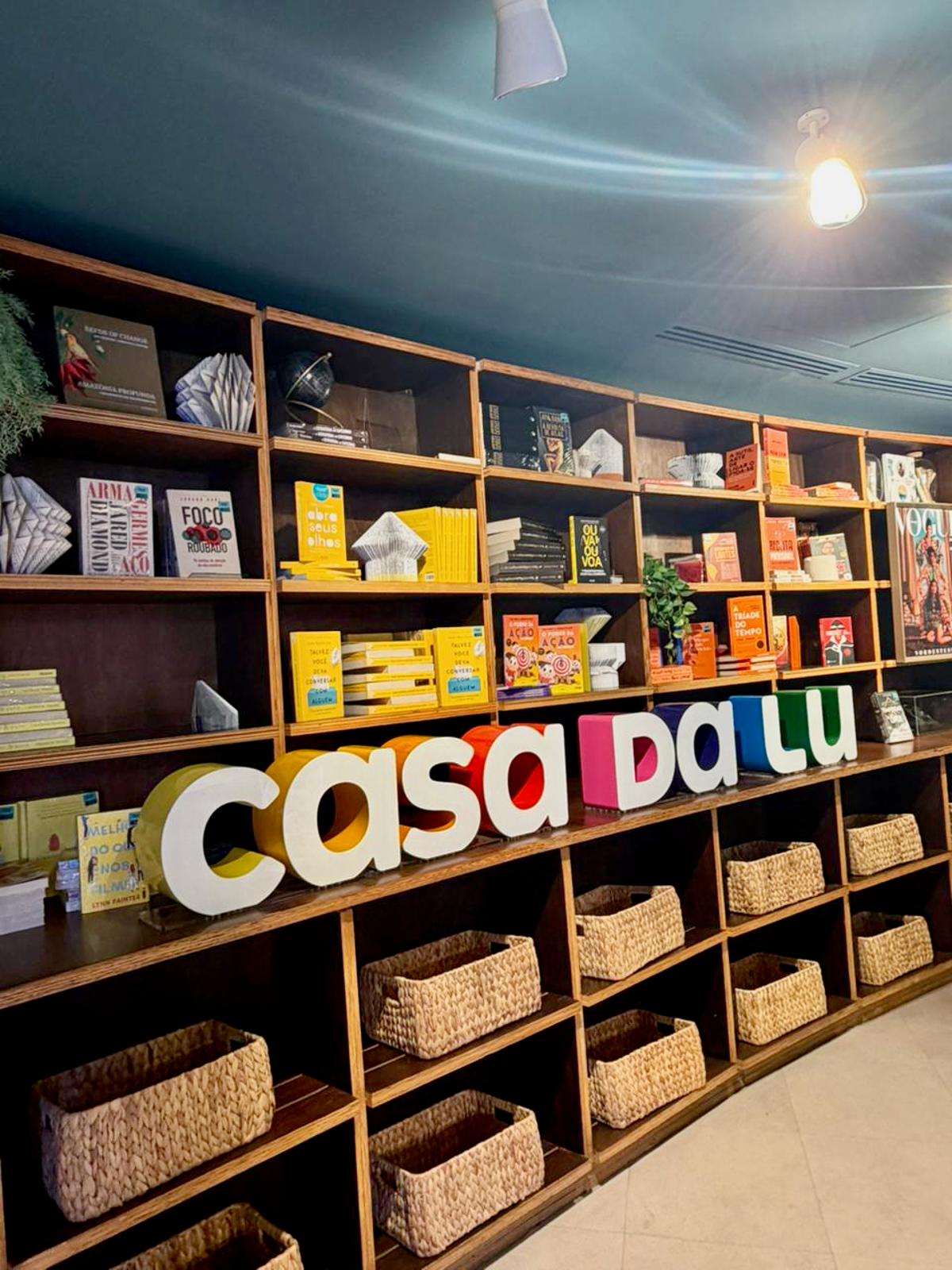
5 Visual Merchandising Tactics That Lift Conversion
Key Takeaways
- •Under‑lighting fixtures boost perceived upscale feel, extending shopper dwell time
- •Curved walls and floor‑to‑ceiling mirrors visually enlarge tight retail spaces
- •Placing products at eye‑waist level lifts sales by over 11 %
- •Subtle color gradients guide eyes without overt signage, increasing browsing time
- •Durable hardware like brass rails preserves display quality beyond the first year
Pulse Analysis
The rise of AI‑driven brand mascots is reshaping how retailers bridge the online‑offline divide. Magazine Luiza’s avatar Lu, a home‑grown digital personality that recently graced the cover of Vogue Brasil, exemplifies this shift. With 30 million followers and collaborations ranging from Adidas to Samsung, Lu provides a unified brand voice that resonates across channels. Yet Magalu’s real competitive edge lies in translating that digital precision into the physical shopping environment. By treating store fixtures, lighting, and layout with the same data‑backed rigor as a social‑media campaign, retailers can create a seamless, immersive experience that rivals the convenience of a screen.
The five visual‑merchandising tactics highlighted in the case study are both simple and measurable. Under‑lighting each fixture creates an upscale ambience that encourages shoppers to linger, while curved walls and floor‑to‑ceiling mirrors expand perceived space in cramped footprints. Positioning merchandise between waist height and eye level aligns with natural reach zones, a strategy that lifted revenue by 11.15 % in a Brazilian grocery chain and produced similar gains for Magalu. A muted color gradient that flows across shelves subtly guides the eye, extending browsing paths without overt signage. Finally, robust hardware such as brass rails protects displays, preserving their visual impact well beyond the launch window.
For retailers seeking to replicate these results, the implementation cost is modest compared to full remodels. Start with an audit of lighting quality, identify dead‑ends and low‑visibility zones, and re‑position high‑margin items into the “sweet spot.” Introduce reflective surfaces or gentle curvature to amplify space, and choose durable materials for fixtures that will endure heavy traffic. The data‑driven approach—tracking dwell time, conversion rates, and repeat visits—allows continuous refinement. As e‑commerce continues to erode foot traffic, mastering the physical environment through purposeful design offers a tangible path to higher conversion and brand differentiation.
5 Visual Merchandising Tactics That Lift Conversion
Comments
Want to join the conversation?