From Radio Co-Host to DIY Creator, Erika Ver Wants Her Brand to Outlast Influencer Culture
Companies Mentioned
Why It Matters
Ver’s pivot illustrates how creators can convert personal adversity into a sustainable, product‑driven business, signaling a maturing creator economy that values authenticity and long‑term brand equity over short‑term virality.
Key Takeaways
- •Erika turned disability leave into Peony and Honey, amassing 1.5M followers.
- •Brand revenue relies on partnerships; she avoids subscriptions to keep content free.
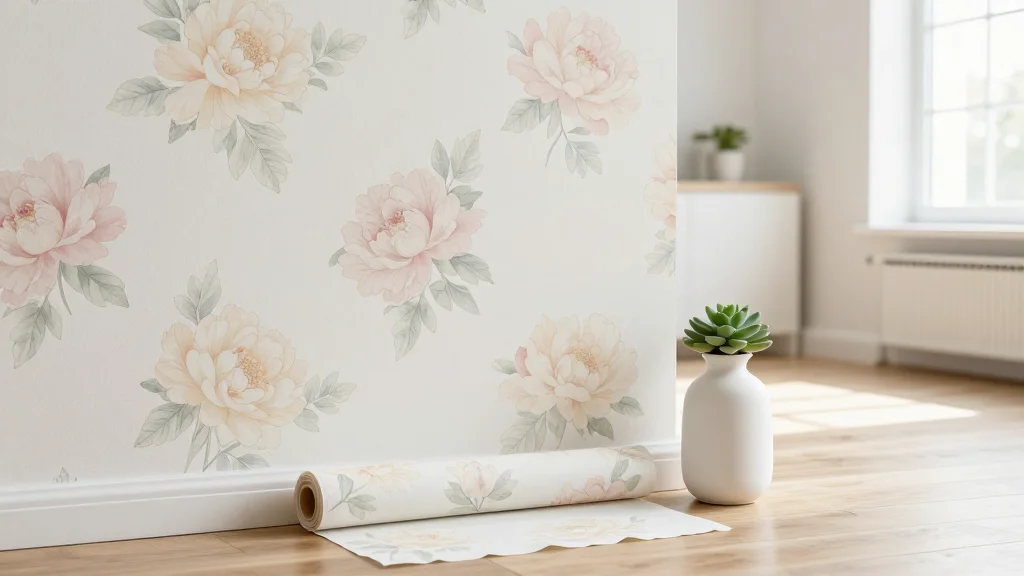
- •Launched renter‑friendly wallpaper line with Wall Blush, targeting legacy over virality.
- •Emphasizes attainable DIY content versus aspirational design, building trust with audience.
- •Multi‑platform strategy adapts each channel, with TikTok for riskier experiments.
Pulse Analysis
The pandemic accelerated a broader shift in the creator economy, pushing many personalities to monetize beyond ad‑driven platforms. Erika Ver’s transition from a radio co‑host to a DIY influencer exemplifies this trend: she leveraged the sudden availability of time and a personal need for purpose to document home renovations, turning a hobby into a content engine. By focusing on relatable, step‑by‑step tutorials rather than glossy aspirational aesthetics, she tapped into a growing audience craving practical guidance, quickly scaling to 1.5 million followers across four major social networks.
Ver’s business model reflects a deliberate move away from the subscription‑centric tactics that dominate many influencer strategies. Primary income comes from brand collaborations with names like Samsung and Big Lots, while affiliate links fill the gap where audiences demand direct product recommendations. Crucially, she keeps all core content free, reinforcing trust and positioning herself as a curator rather than a sales‑first persona. The recent wallpaper collection with Wall Blush marks her first tangible product, designed for renters and anchored in a legacy mindset—mirroring the approach of legacy lifestyle icons such as Martha Stewart rather than chasing fleeting TikTok trends.
For the wider industry, Ver’s story underscores the importance of building a brand that can survive the inevitable decay of influencer hype. By diversifying platforms, maintaining authenticity, and creating physical products that solve real‑world problems, creators can establish revenue streams that are less volatile and more aligned with consumer needs. This evolution hints at a future where influencer‑led brands are judged not by follower counts alone but by the durability of their product ecosystems and the depth of their audience relationships.
From Radio Co-Host to DIY Creator, Erika Ver Wants Her Brand to Outlast Influencer Culture
Comments
Want to join the conversation?
Loading comments...