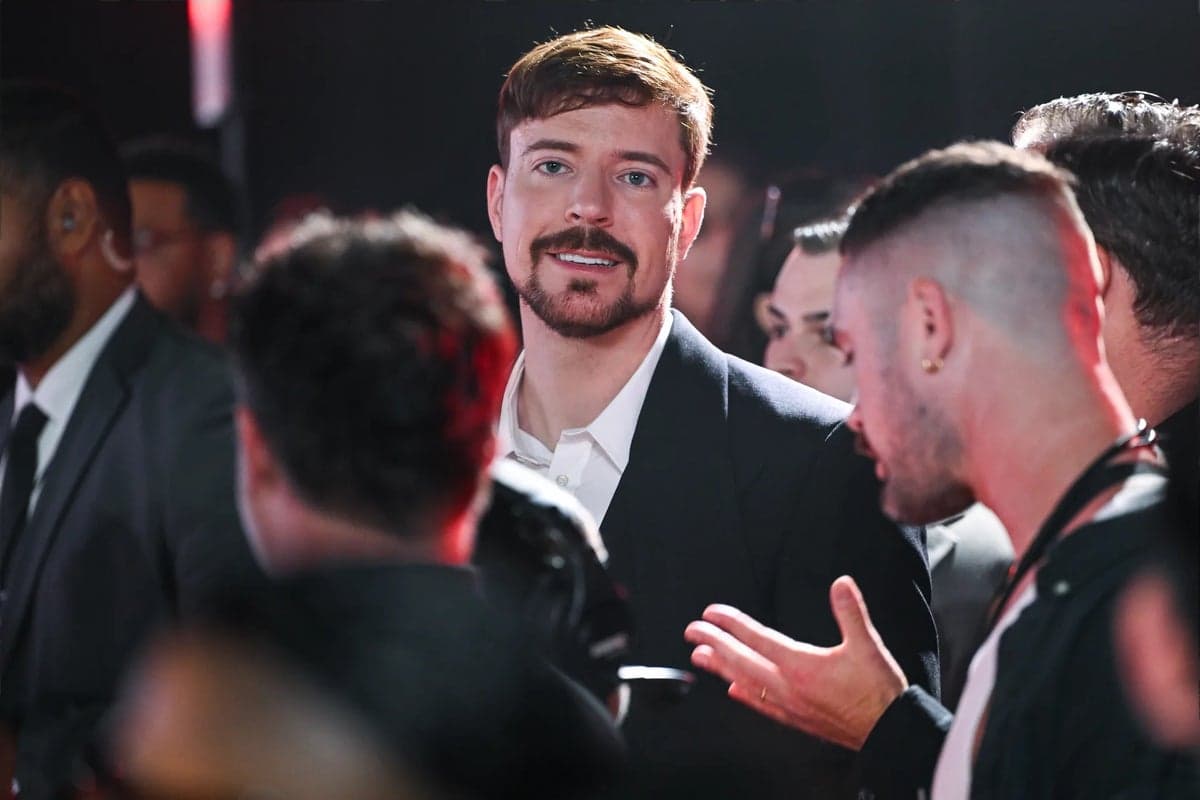
How the ‘MrBeast’ Suit Could Spark a #MeToo Movement as Influencers Move From Social Media to the Boardroom
Companies Mentioned

Why It Matters
The filing signals that influencer‑driven businesses may soon be subject to the same employment‑law scrutiny as legacy industries, reshaping how digital talent is managed and regulated. It also revives #MeToo‑style momentum, extending workplace‑rights advocacy into the fast‑growing creator economy.
Key Takeaways
- •MrBeast sued for alleged sexual harassment and hostile workplace.
- •Lawsuit could trigger broader accountability for influencers similar to #MeToo.
- •Influencer culture lacks traditional corporate safeguards, fostering “bro” toxic environments.
- •Experts call for platform-level compliance certifications for high‑revenue creators.
- •Prior cases against Tate, Lopez illustrate growing legal scrutiny of creators.
Pulse Analysis
The lawsuit against Jimmy Donaldson underscores a clash between the meteoric rise of creator‑driven businesses and the lagging legal frameworks that govern employee rights. While MrBeast’s brand has expanded into snacks, fast‑food concepts and a Prime Video series, the alleged handbook language—"It’s okay for the boys to be childish"—reveals a cultural disconnect between viral content production and professional workplace standards. This gap is increasingly visible as former staff members step forward, echoing earlier #MeToo revelations that forced Hollywood studios to overhaul their harassment policies.
Industry analysts argue that the influencer economy operates without the checks and balances typical of mature sectors such as finance or tech. Young, high‑profile creators often lack seasoned HR leadership, resulting in a "bro" culture where power is flaunted without accountability. Psychologists and sociologists note that algorithmic incentives reward boundary‑pushing behavior, amplifying risk‑taking and diminishing the perceived consequences of misconduct. As more lawsuits surface, investors and brand partners are beginning to demand clearer compliance mechanisms, fearing reputational fallout and legal exposure.
Looking ahead, platforms like YouTube and TikTok could become de‑facto regulators by instituting certification programs that verify adherence to labor laws for channels surpassing certain revenue thresholds. Such measures would mirror corporate governance standards, compelling creators to adopt formal HR policies and third‑party audits. If the MrBeast case proceeds to a settlement or judgment, it may set a precedent that forces the entire creator ecosystem to integrate traditional employment safeguards, ultimately reshaping the power dynamics between digital influencers and the workers who support their content pipelines.
How the ‘MrBeast’ suit could spark a #MeToo movement as influencers move from social media to the boardroom
Comments
Want to join the conversation?
Loading comments...