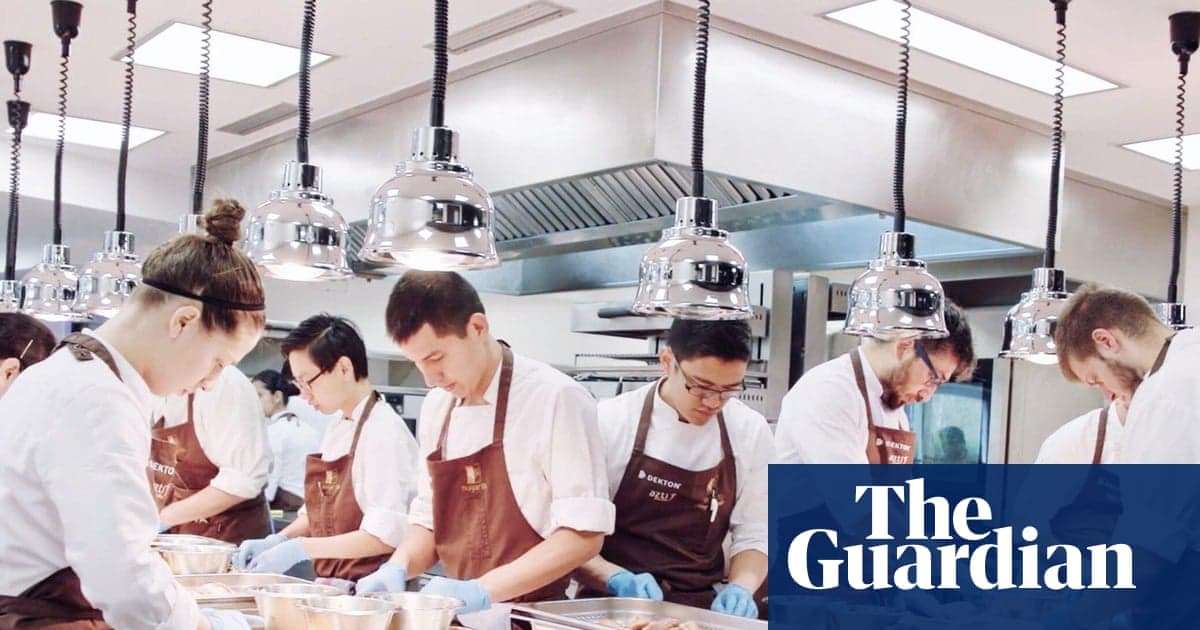
Lure of Being a Social Media Chef Means Youngsters Forgoing Classic Training, Michelin Star Cook Warns
Companies Mentioned
Why It Matters
The shift threatens the pipeline of rigorously trained chefs, potentially lowering industry standards and reshaping how culinary talent is sourced and developed.
Key Takeaways
- •Social media videos entice youths, reducing culinary apprenticeship enrollments.
- •Michelin chefs warn Instagram tricks misrepresent kitchen realities.
- •Competitions like San Pellegrino Academy provide pressure‑test training.
- •Chef Harrison Brockington leverages 1.5M Instagram followers for hiring.
- •MasterChef judges criticize unrealistic TikTok recipes.
Pulse Analysis
The culinary world is at a crossroads as short‑form video platforms democratize cooking knowledge. While platforms like Instagram and TikTok have sparked a surge in home‑cooking enthusiasm, they also create a false perception of the skill and discipline required in professional kitchens. Apprenticeship programs, once the cornerstone of chef development, now compete with viral recipes that promise gourmet results in minutes. This cultural shift has led to measurable declines in enrollment, prompting industry veterans to question the long‑term impact on culinary craftsmanship.
In response, established chefs are championing high‑pressure competitions as a modern apprenticeship substitute. The San Pellegrino Academy, backed by figures such as Will Murray and Emily Roux, offers a structured environment where emerging talent faces real‑world challenges, from time‑critical plating to rigorous judging panels. Winners like Harrison Brockington, who secured a three‑month stint at a three‑star Michelin restaurant, gain exposure to elite techniques that cannot be captured in a 60‑second video. These contests also foster networking, mentorship, and a benchmark for skill assessment that social media lacks.
For restaurateurs, the digital era presents both a recruitment boon and a quality risk. Chefs with massive follower counts can attract diners and staff quickly, yet reliance on viral fame may sideline candidates lacking formal training. Balancing a strong online presence with traditional mentorship ensures that culinary standards remain high while embracing the marketing power of social media. As the industry adapts, hybrid models that integrate digital outreach with rigorous, hands‑on education are likely to define the next generation of chefs.
Lure of being a social media chef means youngsters forgoing classic training, Michelin star cook warns
Comments
Want to join the conversation?
Loading comments...