I Made $10,000 on Substack in 4 Months — Here's Exactly How
Why It Matters
Substack’s short‑form, pay‑wall model lets creators monetize niche expertise rapidly, lowering entry barriers for solo entrepreneurs.
Key Takeaways
- •Substack notes are short, skimmable, tweet‑like posts for readers
- •Charge $10/month, free preview, paywall for full content
- •Consistent niche (e.g., over‑50 solopreneurs) drives subscriber growth
- •Publish multiple short notes daily; algorithm rewards frequency
- •Use categories and “For You” feed to reach targeted audience
Summary
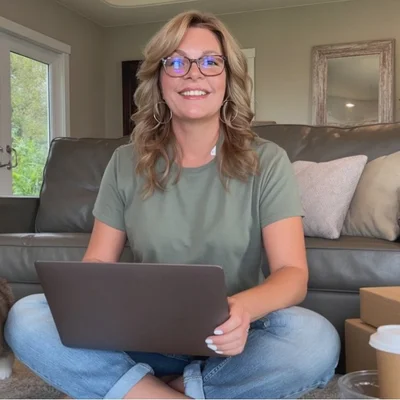
The video explains how the creator earned $10,000 in four months on Substack by leveraging the platform’s simple, short‑form publishing model. Substack treats each post as a concise, skimmable note—typically one to six sentences under 250 characters—allowing writers to deliver bite‑size insights that feel like a “thought of the day.”
Key tactics include charging a $10 monthly subscription, offering a free preview that stops at a paywall, and focusing on a narrowly defined audience—primarily solopreneurs over 40 seeking online income strategies. Consistency is crucial: publishing multiple short notes each day trains the algorithm, which then surfaces the content on the “For You” feed and connects it with interested readers in relevant categories.
The creator highlights memorable lines such as, “Observation: Poor people copy experts, rich people copy how experts think,” and points to concrete metrics: $10,000 earned, 44th rank in the business category, and a steady stream of paid subscribers. She also demonstrates how to set up a newsletter, choose two topical categories, and structure free versus premium content.
For other creators, the takeaway is clear: Substack offers a low‑barrier, repeatable revenue engine when you combine focused niche content, frequent short posts, and a clear free‑to‑paid content split. By mastering the platform’s algorithmic discovery and pricing model, writers can quickly scale income without needing a large team or technical infrastructure.
Comments
Want to join the conversation?
Loading comments...