
Recent Posts

Video•Mar 1, 2026
RAMbling About DDR5 ODTs and Driver Strengths on Ryzen 9000
In this rambling tutorial, BuildSweet explains the purpose and function of DDR5 on‑die termination (ODT) and driver strength settings on AMD Ryzen 9000 platforms. He emphasizes that these parameters are electrical resistances measured in ohms, not memory timing values, and that they shape the voltage waveforms traveling between the CPU and DRAM. The video details how idle, read, and write states use different resistor configurations—RTT park, RTTWR, and drive‑strength pull‑up/pull‑down—to set the line voltage. Voltage levels depend on the ratio between VDDQ, VDDIO, and the chosen resistor values, typically swinging between roughly 0.7 V and 1.4 V during a write. Each of the eight data pins on an X8 DDR5 chip has its own termination and driver resistor, preventing shared paths that would destroy independent signaling. BuildSweet illustrates that mismatched line impedance creates voltage reflections, causing undershoots, overshoots, and ripples that can quickly corrupt data. He notes that if the CPU ODT pull‑down is not set to high‑Z, current will flow from VDDIO to ground, a behavior most motherboards avoid by default. These reflections can limit achievable memory speeds or even stop the system from posting when the signal quality is too poor. The practical takeaway is that while fine‑tuning ODT and drive strengths can eke out higher DDR5 frequencies on Ryzen 9000 builds, the lack of clear configuration guidance means most users rely on manufacturer defaults. Understanding the electrical trade‑offs helps enthusiasts avoid instability and make informed BIOS adjustments when chasing performance.
By Actually Hardcore Overclocking (Buildzoid)
Video•Feb 16, 2026
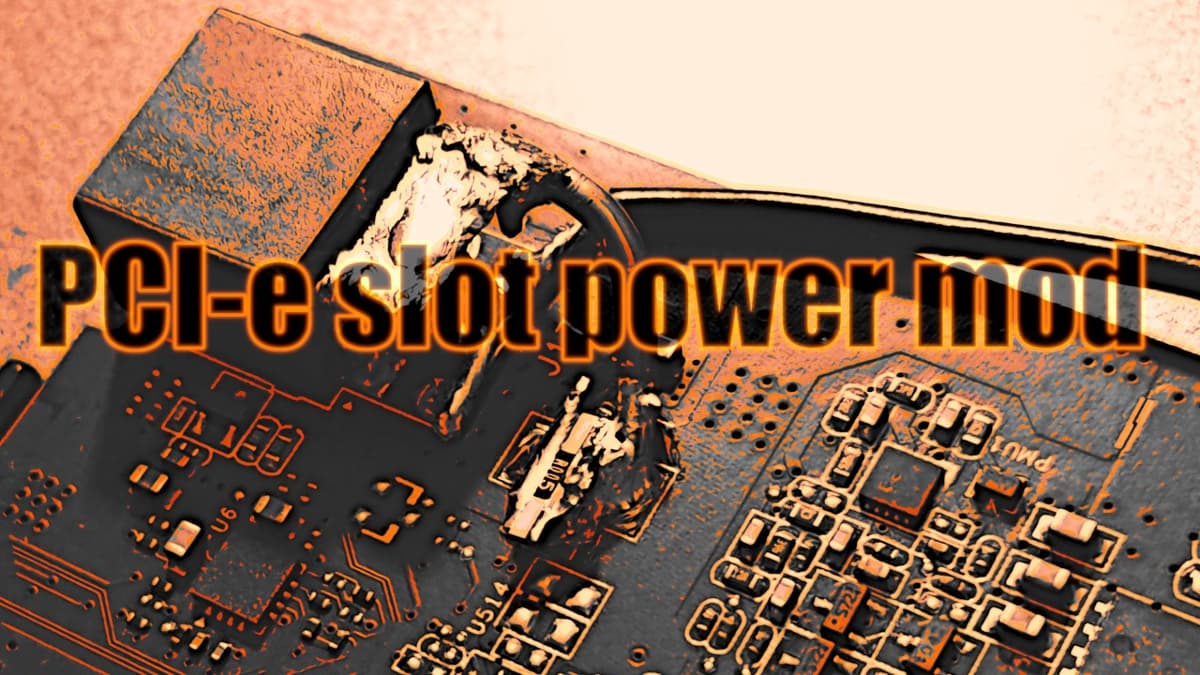
Converting an ASUS GTX 950 Strix to Run on only PCI-E Slot Power.
YouTuber BuildZoid documents a hardware mod converting an ASUS GTX 950 Strix to run solely from the PCIe slot by raising the shunt resistor for the auxiliary 6‑pin feed and rewiring the card so the 6‑pin, when plugged in, bypasses...
By Actually Hardcore Overclocking (Buildzoid)

Video•Feb 13, 2026
Testing Ryzen DDR5 Refresh Modes with Dual Rank Hynix 24Gb M-Die
The video examines how the new DDR5 refresh‑mode options on AMD’s AM5 platform affect performance with a dual‑rank 24 Gb Hynix M‑die kit (Corsair 2 × 48 GB 6000 CL30). Using an ASUS Crosshair X870 Hero with BIOS 20004 (AGSA 1.3.0.0.0), Buildzoid compares the standard "normal" mode, the...
By Actually Hardcore Overclocking (Buildzoid)
Video•Feb 10, 2026
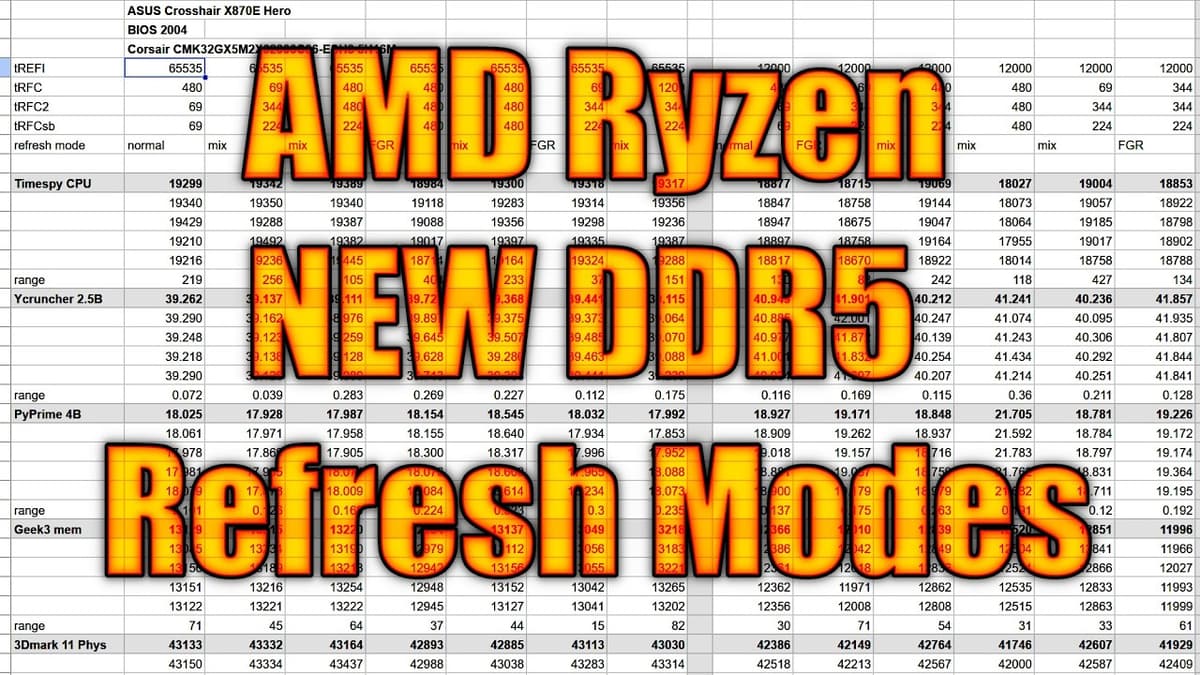
New DDR5 Refresh Modes on AM5 Motherboards
AMD AM5 motherboards from ASUS and Gigabyte now expose a Bank Refresh Mode setting that lets users choose between legacy (all-bank) refresh, fine-granularity refresh (FGR), and a mixed mode that switches dynamically. FGR refreshes one bank per bank group instead...
By Actually Hardcore Overclocking (Buildzoid)