

Why I've Stopped 'Hedging' My Portfolio
In a recent video, investor Adam explains why he no longer hedges his portfolio despite believing the market may be in a correction. He defines hedging as buying insurance—put options, short positions, or inverse ETFs—to profit if equities fall. Adam notes that hedging is costly; the premium paid for puts or the drag from inverse ETFs erodes returns. He estimates hedges succeed only one out of five times, while four times the market rebounds, turning the hedge into a loss. Over the long run, this pattern reduces overall portfolio performance. He illustrates the point with a simple quote: “One out of five times the market will go a lot lower… but four out of five times it reverses back up very strongly.” The example underscores that timing the market with insurance is more often a penalty than a payoff. The takeaway for investors is to focus on core asset allocation and risk tolerance rather than short‑term protective bets. By avoiding frequent hedges, investors can preserve upside potential and improve compound returns, especially in a market that historically spends more time rising than falling.
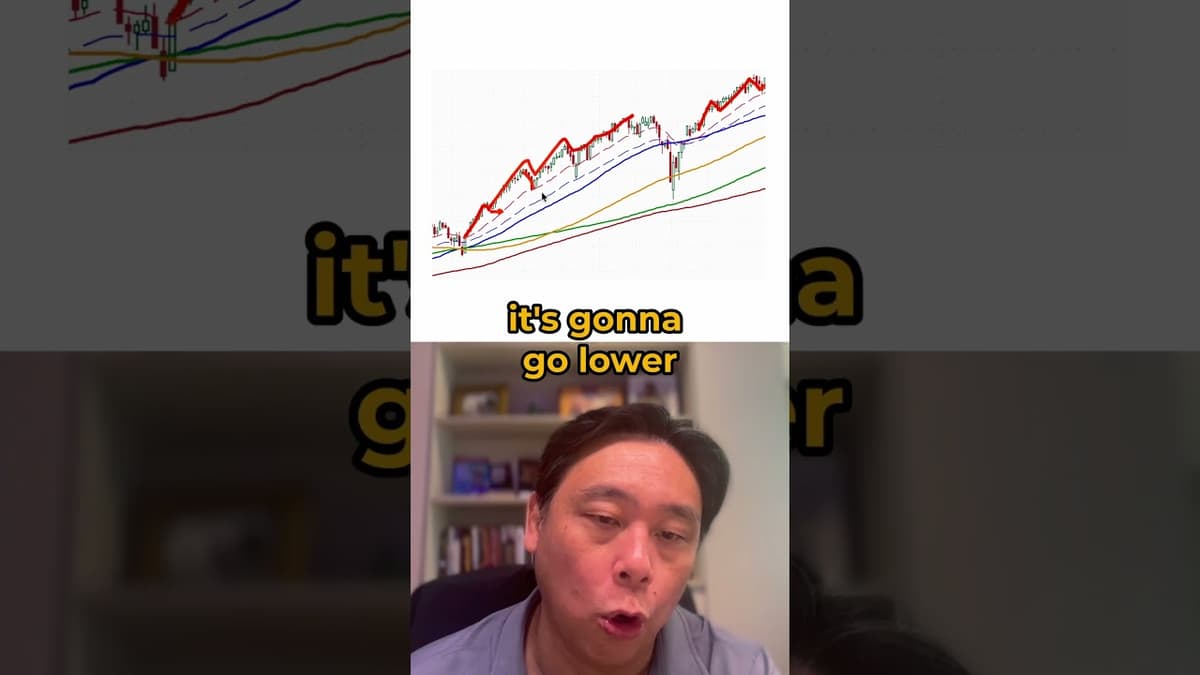
Why I Don't Sell All My Stocks on the "Wave-Up"
The video centers on Adam’s advice against selling stocks during market "wave‑up" periods. He recounts students urging him to exit after each rally, only to watch the market reverse and reward those who stayed invested. Adam illustrates the pitfalls of timing:...
Peter Lynch's Portfolio History
The video reviews Peter Lynch’s legendary tenure managing the Magellan Fund, highlighting his 13‑year run that generated a 604% return versus the S&P 500’s 223% gain. It underscores his 29% compounded annual growth rate, while noting that his portfolio’s volatility often...
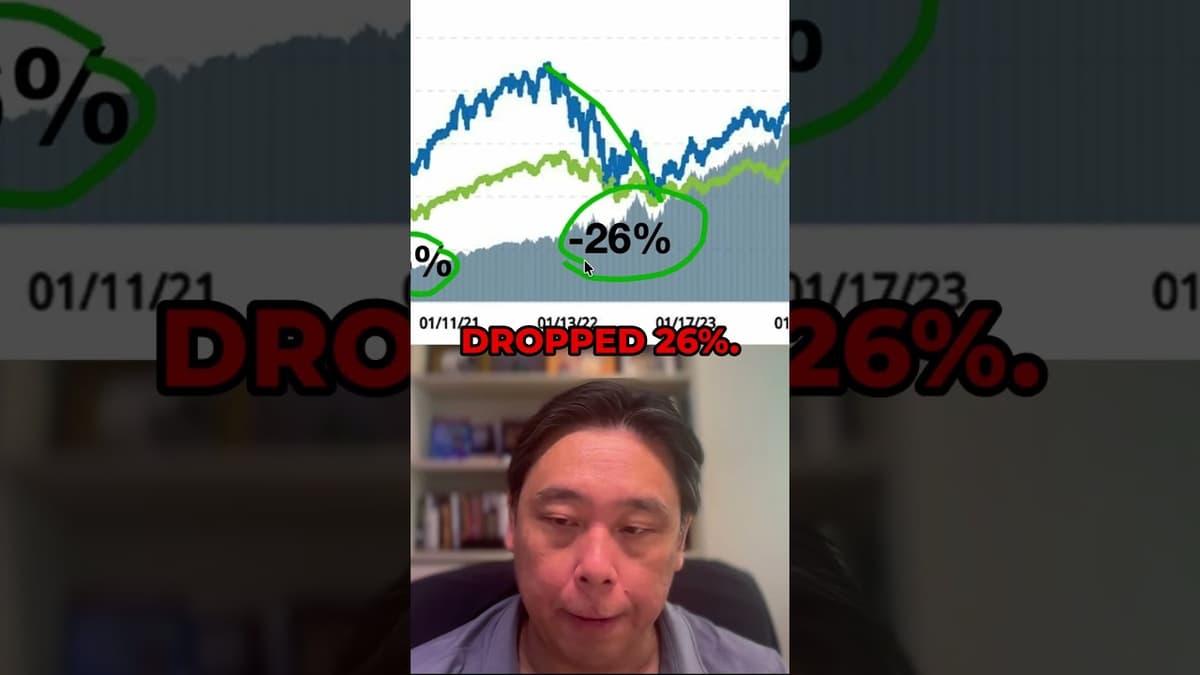
How My Portfolio Fared in Previous Bear Markets
The video reviews a seven‑year portfolio (Jan 2019‑Jan 2024) that generated a 267 % total return, beating the S&P 500’s 175 % gain. It highlights three major bear‑market episodes: a 36 % plunge during the COVID‑19 crash in 2020, a 26 % decline amid the 2022 Fed‑driven...

Investors Are Afraid of 'Stagflation' Today...
Investors are increasingly hearing the term “stagflation” in media cycles, with Bloomberg and other outlets flagging the risk repeatedly since August 2023. The narrative resurfaces every few months, suggesting a looming combination of stagnant growth and rising inflation that central...