
Macroeconomic Policies in Uncertain Times: Securing Sustainable Prosperity
The video addresses how recent tariff and energy shocks have exposed the fragility of growth in the region, urging policymakers to build buffers and a robust macroeconomic policy framework to sustain momentum. It argues that regional cooperation is the most effective antidote to intertwined challenges—trade‑supply chain disruptions, energy shortages, and the dominance of the dollar in financial markets—because no single country can tackle them alone. A key quote underscores this point: “One country working alone will be insufficient.” The speaker stresses engaging policymakers, business societies, and leaders in varied formats, moving discussions beyond academic circles to a broader audience. The implication is clear: coordinated policy action and widespread dissemination of insights are essential for macroeconomic stability, offering businesses and governments a roadmap to navigate uncertainty and secure sustainable prosperity.

ADBI-ADB Second Alternative Dispute Resolution (ADR) Policy Dialogue - Day 2
The second day of the ADBI‑ADB Alternative Dispute Resolution Policy Dialogue turned its focus to investment dispute resolution, opening with a keynote from Martina Polasek, Secretary‑General of the International Centre for Settlement of Investment Disputes (ICS ID). Polasek outlined how mediation is...

Explainer: AI and the Labor Transition
The video explains how artificial intelligence is rapidly transforming work in Asia and the Pacific, reshaping collaboration, decision‑making and the way value is created. It warns that without a coordinated response, the shift could deepen existing inequalities, especially in countries...
ADBI-ADB: Alternative Dispute Resolution 2nd Policy Dialogue
The Asian Development Bank Institute and its partner convened the second Alternative Dispute Resolution (ADR) Policy Dialogue, bringing together regulators, industry leaders, and legal experts to chart a unified framework for handling cross‑border disputes. The session highlighted the growing importance...
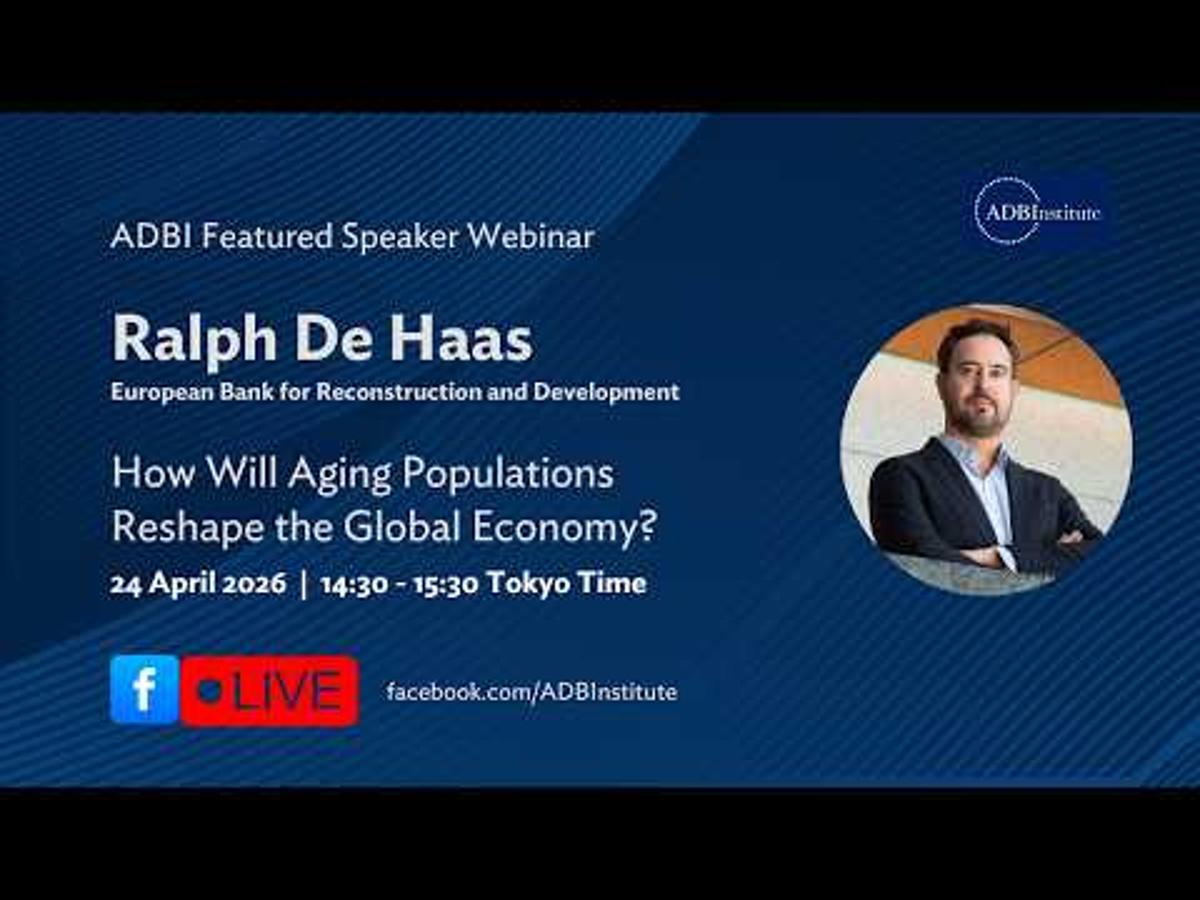
Featured Speaker Seminar with Ralph De Haas: How Will Aging Populations Reshape the Global Economy?
Professor Ralph De Haas, director of research at the European Bank for Reconstruction and Development, presented the 2025‑26 “Brave Old World” report, examining how rapidly aging populations will reshape the global economy. He highlighted the shift from a demographic dividend...
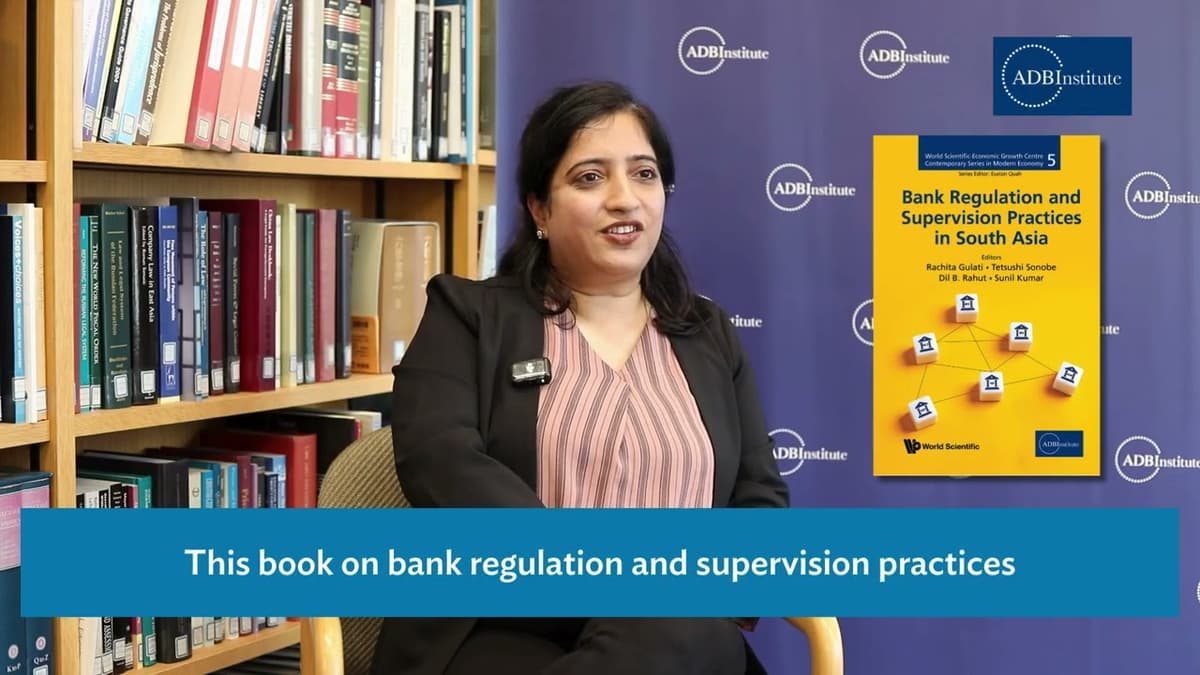
Book: Bank Regulation and Supervision Practices in South Asia
The new book "Bank Regulation and Supervision Practices in South Asia" examines how rapid digitalization, rising non‑bank players, cyber risk, and climate vulnerability are reshaping the region’s banking sector. It surveys regulatory and supervisory frameworks across Bangladesh, Bhutan, India, Nepal, Sri...

Featured Speaker Webinar with Jean-Louis Arcand: Economics From Outer Space
The webinar highlighted how satellite‑derived nighttime luminosity (NTL) data is reshaping development economics by providing a near‑real‑time, granular proxy for economic activity, urbanization, and energy use. Professor Jean‑Louis Arcand traced the evolution from early, low‑resolution datasets to the current high‑resolution...
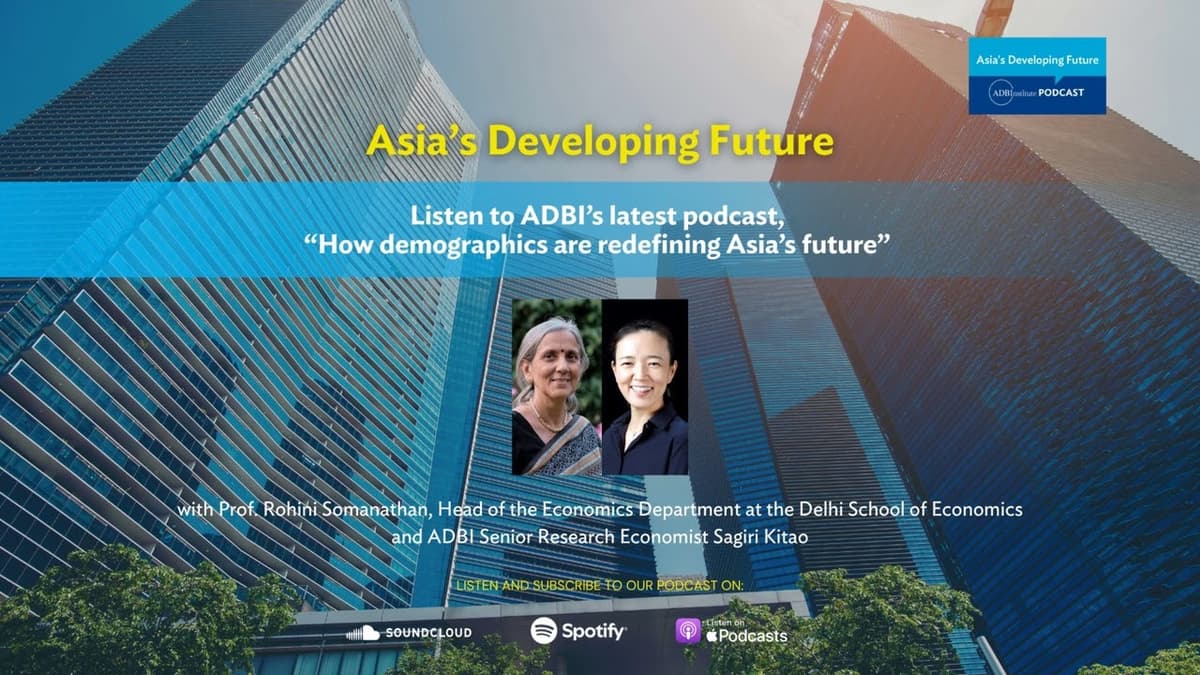
ADBI Asia's Developing Future Podcast: How Demographics Are Redefining Asias Future
The ADBI podcast examines how divergent demographic trends—rapid aging in some Asian economies and youthful populations in others—are reshaping the region’s growth outlook. It highlights the urgency for aging societies, exemplified by Japan, to implement early, coordinated reforms in pensions,...
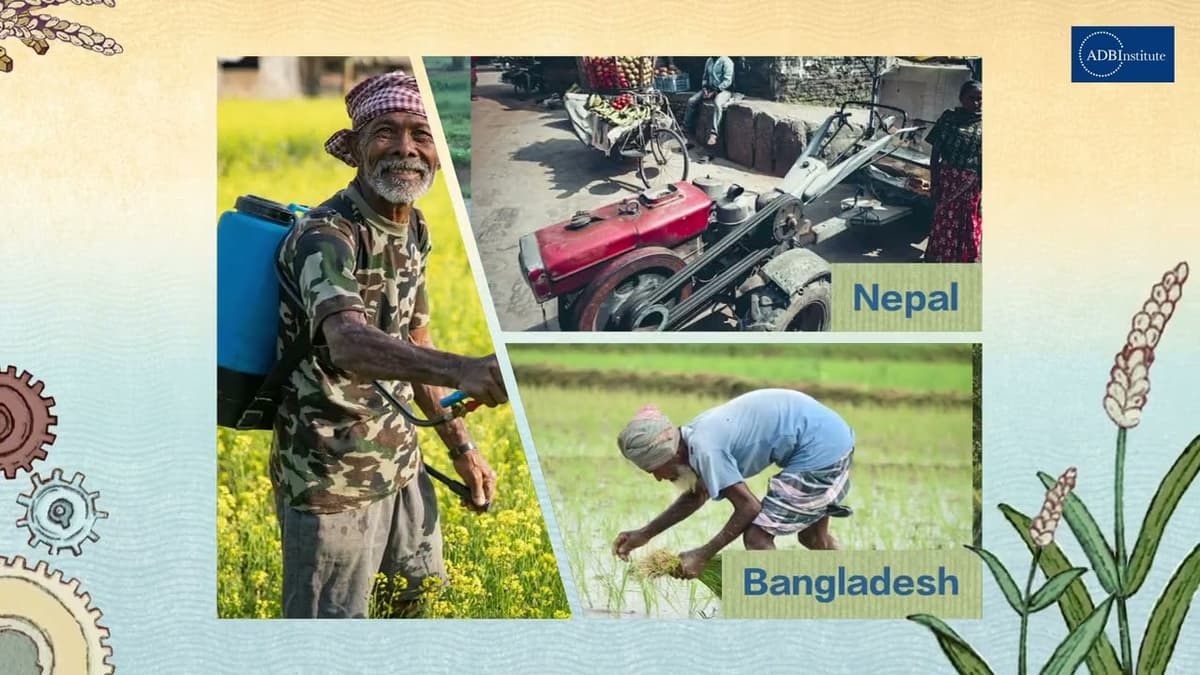
Explainer: How Will Technology Shape the Future of Farming in Asia?
Agriculture underpins the livelihoods of more than 350 million smallholder farmers across Asia, yet the sector is strained by labor shortages, rising input costs, and increasingly frequent climate shocks. A new wave of agri‑tech—centered on smartphones, AI‑driven analytics, and low‑cost IoT...

HSR Webinar Series: Policy Considerations for National HSR Network Development – Cases in Uzbekistan
The Asian Development Bank Institute hosted the fourth webinar in its high‑speed rail series, turning its focus to Uzbekistan’s emerging national network. Participants from across Asia examined how the land‑locked country is upgrading Soviet‑era corridors with imported technology, leveraging...
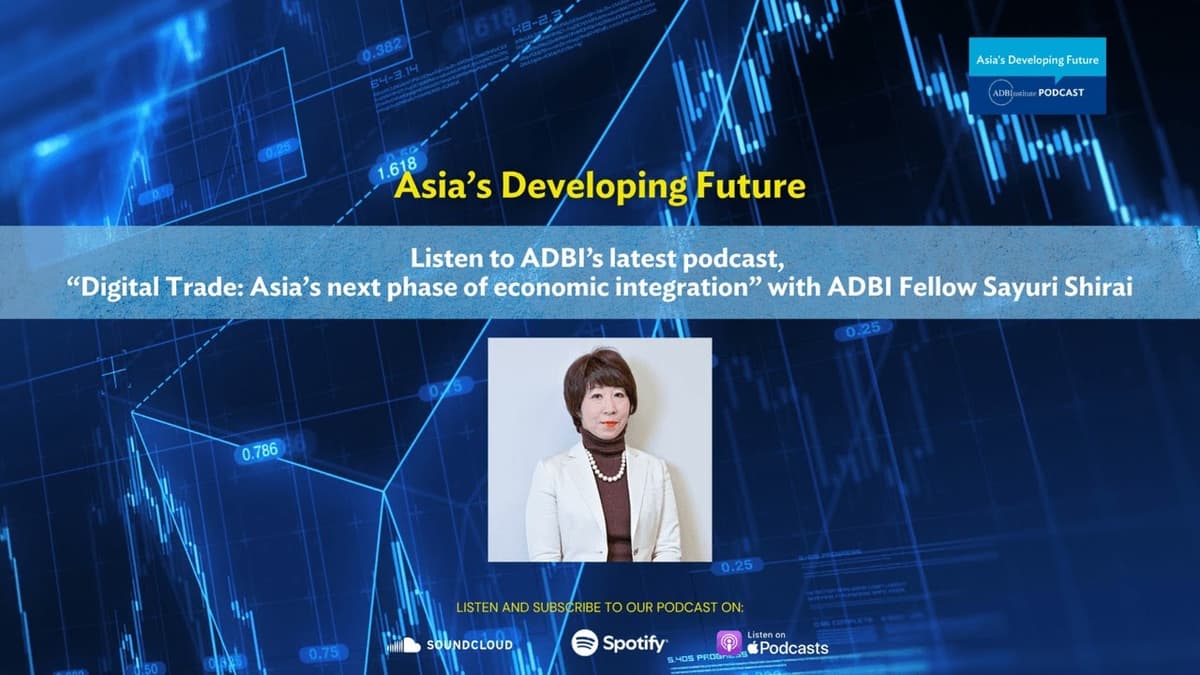
ADBI Asia's Developing Future Podcast: Asia's Next Phase of Economic Integration
The Asian Development Bank Institute’s podcast examined Asia’s evolving economic integration, emphasizing how traditional trade structures are intersecting with a rapid rise in digital commerce. Host Dean Irvin and fellow Suri Shereai outlined the region’s deepening production networks, the impact...
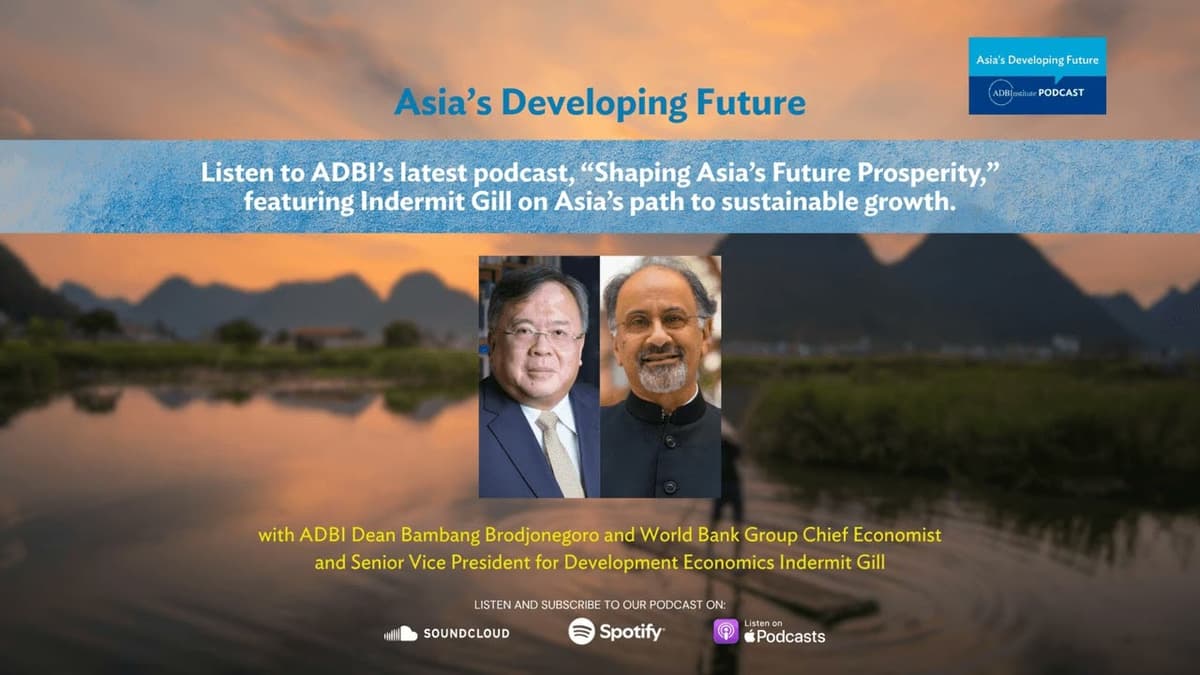
ADBI Asia's Developing Future Podcast: Indermit Gill on Asia’s Path to Sustainable Growth
The podcast hosted by ADBI’s dean Babam Brojonoro features World Bank chief economist Indermit Gill discussing Asia’s growing vulnerability to the middle‑income trap. The conversation builds on recent World Development Report findings and ADBI’s new “Shaping Asia’s Future Prosperity” program,...

Explainer: How Will Technology Shape the Future of Farming in Asia?
The video explains how mechanization—tractors, tillers, and small‑scale machinery—can reshape farming across Asia, where over 350 million smallholder families face labor shortages, rising costs, and climate shocks. Research by ABI in China shows that mechanized farms achieve higher yields, better nutrition,...

6th Annual Forum on Expanding Women’s Participation in the Economy
The sixth Annual Forum on Expanding Women’s Participation in the Economy convened in Tokyo, bringing together policymakers, business leaders, and experts to examine how green and digital transitions are reshaping work for women across Asia and the Pacific. Sponsored by...

Featured Speaker Webinar with Prof. John Gibson
Professor John Gibson, a development economist, presented research on flood adaptation and urban vulnerability, highlighting how climate‑related disasters increasingly threaten economic security in Asian cities. He noted that flood damage costs are projected to double, with most losses uninsured and many...