

Corn Stand Counts: What They Mean and What They Tell You
The video walks viewers through corn stand counts, a simple field‑scouting technique that uses just a tape measure and a shovel to verify plant density and health. By laying out a 17‑foot‑5‑inch strip—calculated from 30‑inch row spacing—and counting plants within that segment, growers can quickly assess whether a field meets its target stand. The presenter emphasizes sampling multiple random locations across the entire acreage, noting that soil elevation, planter performance, and weather can create uneven stands. In his example, a 30‑plant count translates to roughly 300 bushels per acre, comfortably above his 250‑bushel goal, even if a few plants lag behind. Consistent densities around 30,000 plants per acre are presented as the benchmark for achieving optimal yields. During scouting, he encounters a germinating plant just below the soil surface and distinguishes it from weeds by leaf stage, noting that a V1‑stage plant is still viable. He also spots small velvet‑leaf weeds, explaining that early detection is crucial because larger weeds become harder to control and may require pre‑emergent herbicides, which were delayed by insufficient rain. Cold temperatures and low growing‑degree units explain some delayed growth. The takeaway for producers is clear: regular stand counts help catch planting gaps, early weed pressure, and potential replant decisions before they jeopardize yield. If counts fall below roughly 20,000 plants per acre, the cost‑benefit analysis may favor ripping and replanting, especially since corn cannot be easily interseeded like soybeans. Proper herbicide selection and timely scouting are essential to protect the next stand and meet production goals.
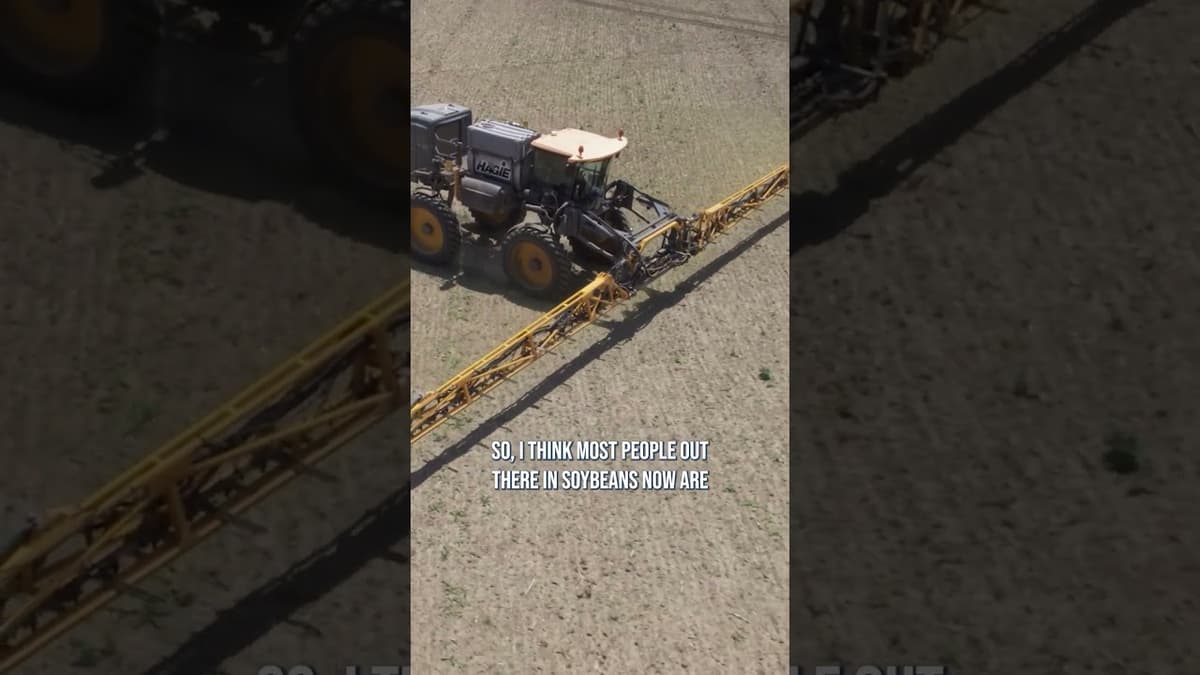
Brian and Darren Share some Tips on Soybean Weed Control.
The video focuses on practical soybean weed‑control strategies, emphasizing a pre‑emerge herbicide program that applies across conventional, Enlist, Extend Flex, and future traits. Brian and Darren stress that early‑season applications are the most efficient way to suppress weeds before they develop...

Will It Survive? Planting in South Dakota in March
The video documents a field trial in South Dakota where corn and soybean strips were planted on March 30, a month earlier than typical. Host Zach and agronomist Darren revisit the site on April 24 to assess seedling development, soil conditions, and...
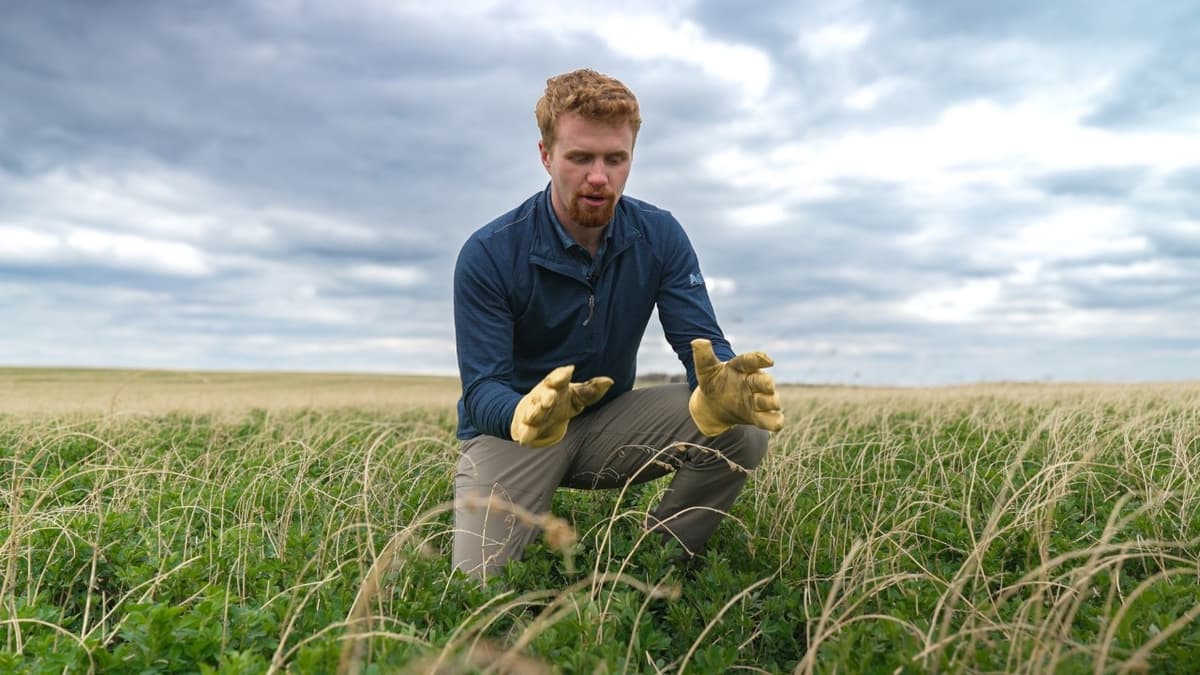
How to Properly Scout Alfalfa
The video walks through a systematic scouting routine for a five‑year‑old alfalfa stand, outlining four inspection categories—weed pressure, insect pressure, plant health, and stand density—to decide whether the field should be retained for the current season or replanted. The scout first...

Darren's Take on Nitrogen in Corn Following Soybeans.
The video centers on nitrogen management when planting corn following a soybean crop, weighing the benefits of residual legume‑derived nitrogen against additional synthetic applications. Darren questions whether growers can rely on the nitrogen fixed by soybeans or must supplement with...

Fertilizer Bag Numbers
The video demystifies the three‑digit code on fertilizer bags, explaining that the numbers represent the percentage by weight of nitrogen (N), phosphate (P2O5) and potassium oxide (K2O). It clarifies that these are not raw elemental values but specific chemical forms...
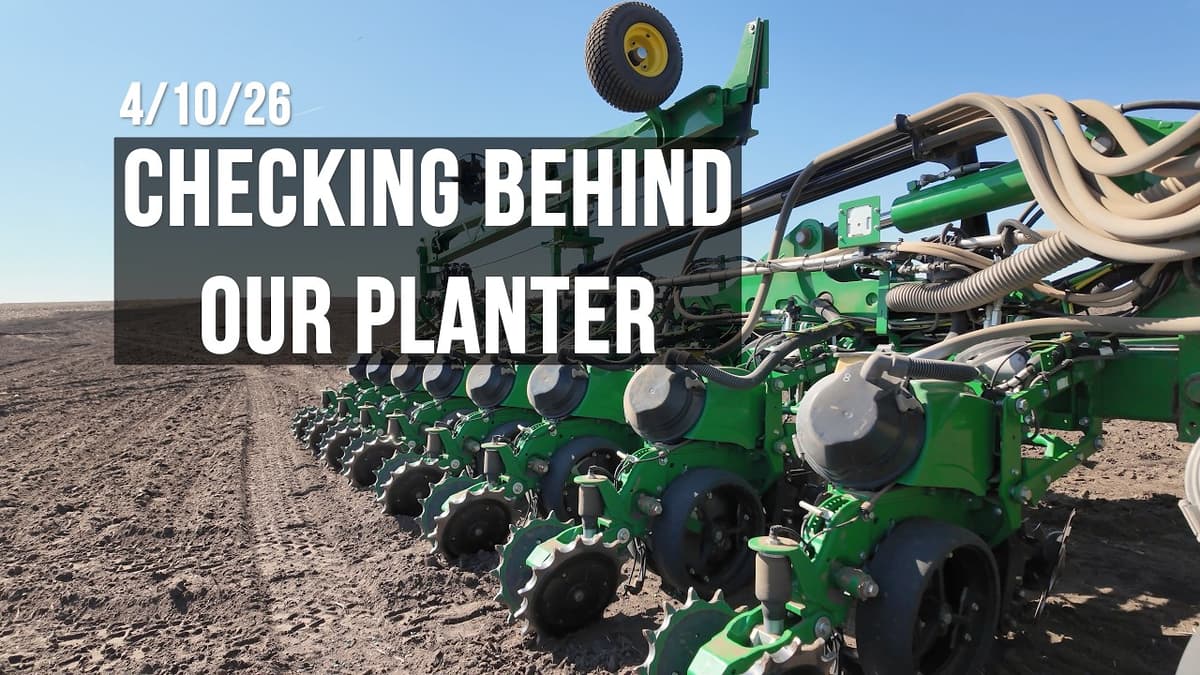
What I’m Checking Behind the Planter This Spring
The video documents the first corn‑planting day on a South Dakota farm, highlighting conditions on April 10 when soil temperatures reached 40 °F and the surface was dry but sunny. The farmer walks viewers behind the planter to verify that seeds are...

Soil Variability
The video focuses on soil variability and its implications for modern farming practices. Brian and Darren explain that fields often contain multiple soil types, topsoil depths, and nutrient levels, challenging the assumption that a field is uniform. They note that USDA...

Brian and Darren Discuss the Effects that Nutrients Can Have on Stalk Quality.
Brian and Darren explain how targeted nutrient management shapes stalk quality, urging growers to adopt yearly soil sampling to track and adjust fertilizer programs. They highlight calcium’s role in creating soil pore space for root oxygen, while potassium, copper and manganese...

Should I Level Off Soil Before Spraying?
Farmers in southwest Minnesota asked whether they can spray Authority Edge directly onto ripped corn stalks on heavy‑clay ridges and later level the field, or use vertical tillage for spring prep. The expert response emphasizes that ridge height is the deciding...