

Hire Impact‑Driven CEOs, Not Financially Tied Incentives
New paper, "The Value of Non-Value-Maximizing Managers" (with Pierre Chaigneau and Nicolas Sahuguet). Companies that state a social purpose, yet pay their executives for financial performance, are accused of greenwashing. Proxy advisers, the media, and some investors evaluate the quality of a CEO pay package by how many ES targets it has, and criticise purely financial schemes. But this assumes that the only way to motivate a CEO is through financial incentives, and ignores intrinsic motivation. Financial performance is measured more accurately than impact. Thus, tying pay to both profits and impact may cause the CEO to focus excessively on the former. Weak incentives for both will avoid such distortions, but then the CEO may coast. Our model points to a different solution: hire a manager who is excessively biased towards impact. (Impact has many applications beyond ES, such as brand strength and customer reputation, or scientific innovation and technological progress – Musk and Zuckerberg are sometimes viewed as prioritising the latter over shareholder value). This allows the board to pay the CEO with financial incentives, without causing her to neglect impact. More broadly, it highlights the danger in evaluating the CEO's motivation by looking only at her pay package. A purely financial contract doesn't mean the board doesn't care about impact. It may have hired a CEO with strong intrinsic preferences for impact, and a purely financial contract is precisely what's needed to ensure she doesn't pursue it excessively. https://t.co/caQ0KhQlmZ
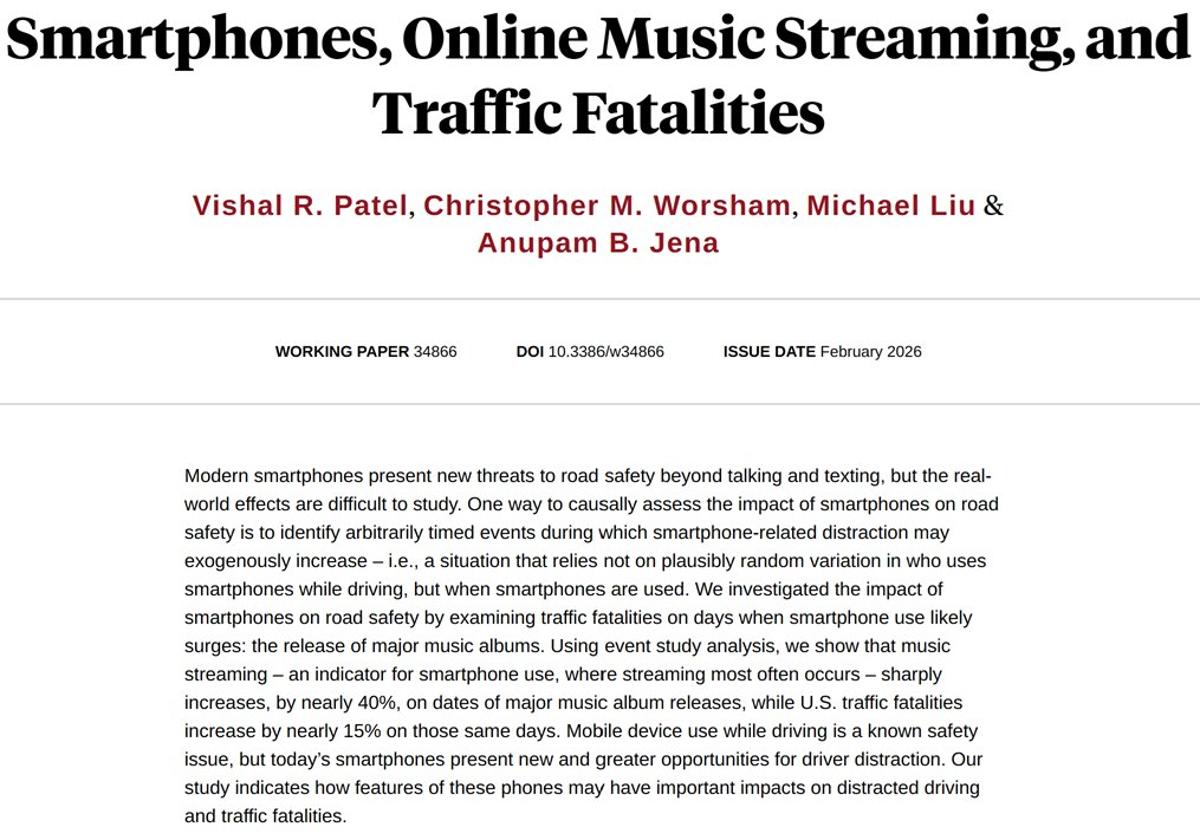
Album Release Days Spike Traffic Fatalities by 15%
Traffic fatalities increase by 15% on the day major music albums are released. The effect is stronger in single-occupant vehicles where you don't have a passenger to unlock the phone and scroll through a new track list. Prior evidence found...
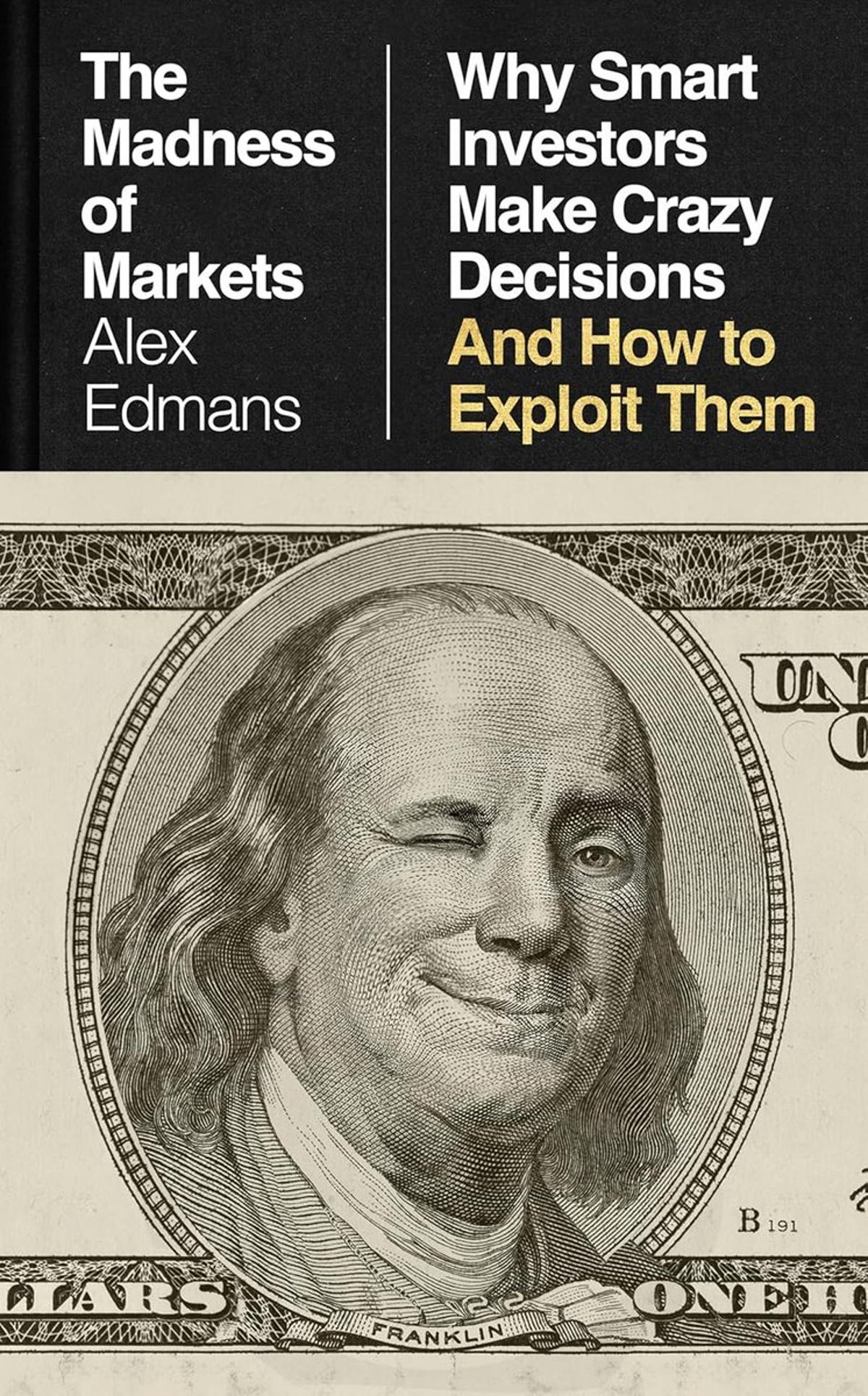
How Hype and Sentiment Drive Market Chaos—And Profit
The Madness of Markets is now available for pre-order. How hype, sentiment, and even World Cup defeats move markets – and how to profit from the chaos. Think Freakonomics meets investing: wacky patterns, surprising insights, and practical tips. @PenguinUKBooks @CrownPublishing...
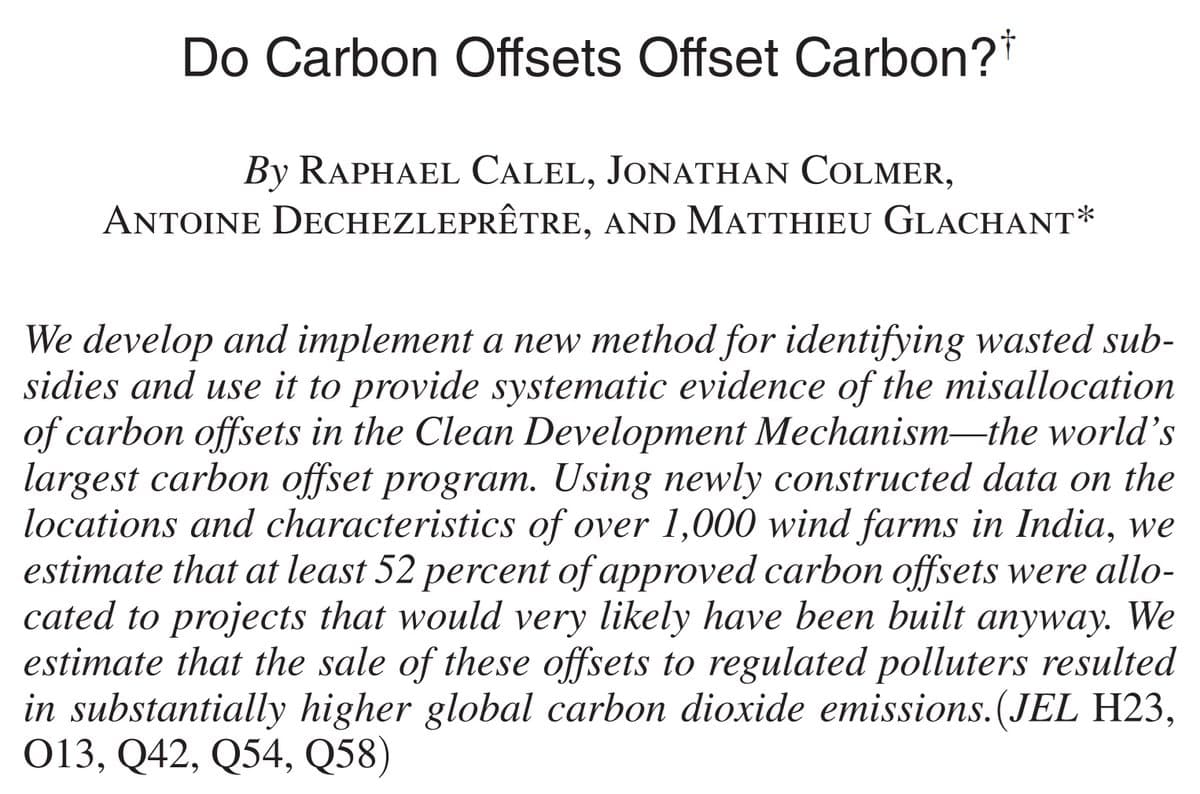
Over Half of Carbon Offsets Lack Real Impact
"Do Carbon Offsets Offset Carbon?" has won the 2026 Best Paper Award for American Economic Journal: Applied Economics. The answer is No. At least 52% of carbon offsets were allocated to projects that would have been built anyway. https://t.co/dlznabBm3d https://t.co/S4X3ZoDxIe