
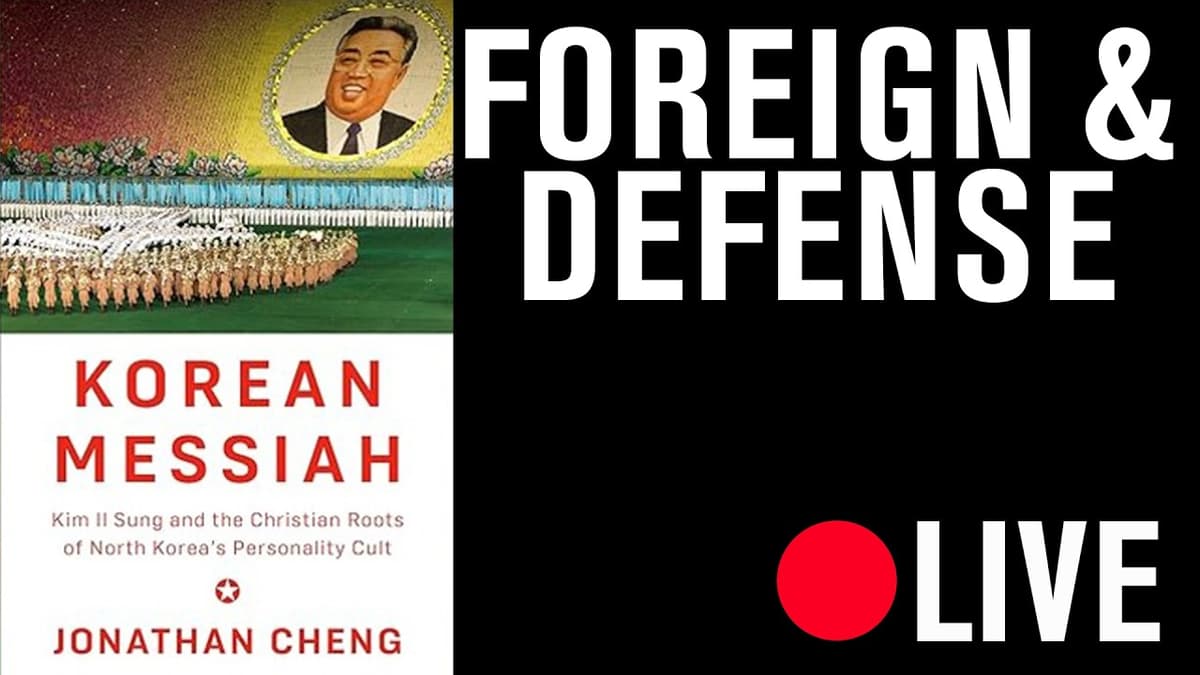
Korean Messiah: The Religious and Ideological Roots of North Korea’s Personality Cult
The Wall Street Journal’s Jonathan Chang released *Korean Messiah*, a 745‑page study tracing the religious and ideological roots of North Korea’s personality cult. The book argues that Kim Il‑sung’s upbringing in a devout Presbyterian family and the early‑20th‑century reputation of Pyongyang as the “Jerusalem of the East” are essential to understanding the regime’s quasi‑religious character. Chang documents how the Kim dynasty appropriated Christian rituals—Sunday school lessons, organ music, biblical quotations—and fused them with Korean shamanism, Confucian hierarchy, Japanese emperor worship, and Marxist‑Leninist doctrine. This hybrid belief system produced a cult of personality that has intensified over eight decades, far surpassing the typical totalitarian model. The author cites vivid examples: Kim Il‑sung taught Sunday school, lived with a pastor, and regularly quoted the Bible to foreign visitors. He notes that Soviet diplomats in the 1950s described the North Korean cult as “monstrous” and unlike any other socialist state, highlighting its religious intensity. Recognizing North Korea as a religiously‑infused polity reshapes strategic analysis. It suggests that the regime’s durability stems not only from nuclear deterrence but also from deep‑seated ritualistic loyalty, implying that diplomatic or informational levers must account for this quasi‑spiritual allegiance.

A Conversation with Alberto G. Musalem, President of the Federal Reserve Bank of St. Louis
The video features a conversation between AEI’s Michael Strain and Alberto G. Musalem, President of the Federal Reserve Bank of St. Louis. Musalem outlines the Fed’s recent decision to keep the policy rate in the 3.5‑3.75 percent range, emphasizing that...

The Future of Fannie Mae and Freddie Mac
Fannie Mae and Freddie Mac remain under conservatorship yet guarantee roughly half of all U.S. residential mortgages, holding about $7.8 trillion in assets. The government’s implicit guarantee led to a 2008 bailout that injected $187 billion of taxpayer funds, expanding Treasury equity...

US Sanctions Sudanese Islamists
The U.S. designated Sudanese Islamist militias aligned with elements of the Sudanese Armed Forces (SAF) as terrorist organizations, accusing them of targeting civilians and taking Iranian support to further violent Islamist aims. Washington said these militias have leveraged the SAF’s...

Poland, Northeastern Europe, and the Future of the Transatlantic Partnership
The American Enterprise Institute hosted a high‑profile dialogue with the Warsaw Freedom Institute to examine Poland’s evolving role in the transatlantic partnership. Speakers highlighted Poland’s rapid economic expansion, its transition from a security recipient to a security provider, and...
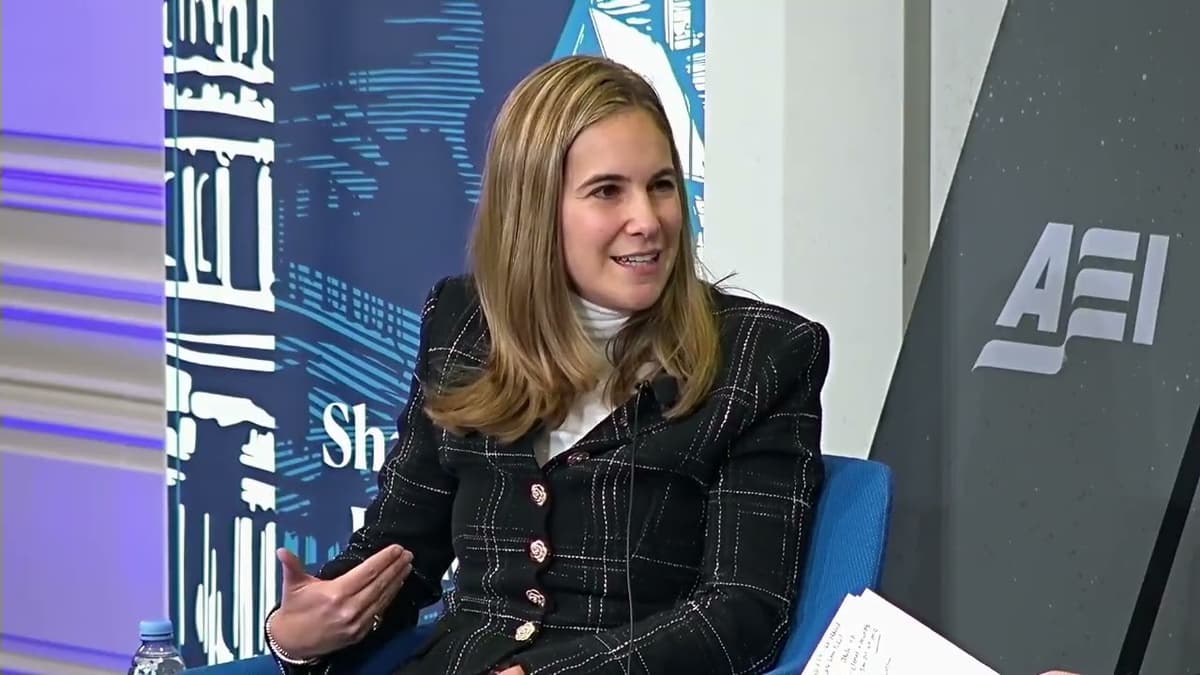
A Conversation With Danielle Sassoon Moderated By Robert Doar
The video features a moderated conversation with former Supreme Court clerk Danielle Sassoon, who reflects on Justice Antonin Scalia’s judicial philosophy, writing style, and mentorship. Sassoon, a Harvard‑Yale graduate who clerked for Scalia toward the end of his tenure, provides...