The Unauthorized AI Remix Became a Global Hit, How This Label Dealt With It
An unauthorized AI-generated remix of Stick Figure’s 2019 song “Angels Above Me” surfaced and unexpectedly became a global hit—peaking at No. 2 on Shazam—without crediting or paying the original artist. Adam Gross, president of Ineffable Records, recounts six weeks of scrambling to identify the source, contact platforms and rights holders, and confront the legal gray area around AI-created music. The incident highlights how easily generative models can reproduce recognizable recordings or production elements and be monetized or promoted without traditional licensing. Major outlets including the LA Times and The Atlantic have picked up the story as industry stakeholders debate responses.
How This Manager Sold Out Tours Without Venues and Develops Artists, Songwriters and Producers
The episode spotlights artist manager Joseph Pepin’s innovative use of Bsides, a ticket‑only platform that lets musicians announce tours, sell tickets and ship merch without securing a physical venue. By leveraging real‑time ticket data, Pepin can accurately predict attendance, tailor...
Has SoundCloud Cracked Superfandom and AI Music?
The interview with SoundCloud CEO Elias Satin focuses on the platform’s shift toward fan‑powered royalties, a user‑centric payment model that allocates subscription revenue directly to the artists listeners actually stream. Satin explains that more than half of SoundCloud’s artists now...

Are Music Videos the Future
The episode explores whether music videos represent the next frontier for rock and metal, featuring Ashson, founder and CEO of Samarian Records. Host Arian frames the conversation around the label’s evolution from a hybrid booking‑agency model to a content‑first operation,...
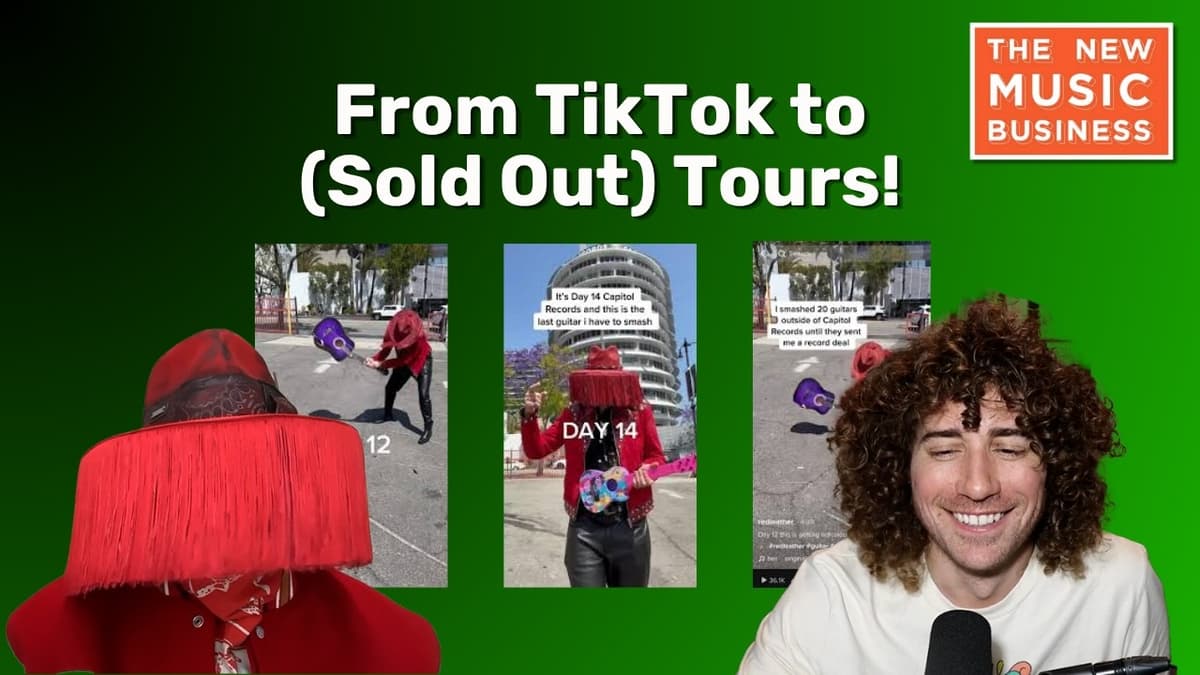
Going Viral The Right Way Allowed Him To Turn Down Record Deals and Sell Out Venues Around The World
The podcast episode spotlights Red Leather, an anonymous artist who built a global touring career without revealing his face, discussing how he leveraged relentless social‑media output to bypass traditional industry routes. Red Leather posted five TikTok/Reels videos each day for a...

How This UK Indie Label Sold 25K Records For 1 Band First Week
The episode spotlights Lab Records, a Manchester‑based indie label that has scaled from a one‑person operation in 2007 to a catalog of over 1,300 songs and billions of streams. Central to its strategy is a partnership with ADA, which handles...

This Artist-Run Record Label Is Competing with the Majors in a Big Way
Rebellion Records, founded by artist‑producer Michael Turner (aka Platinum), is an independent label that claims to be rivaling major‑label resources by rethinking every facet of an artist’s career—from touring profit‑share deals to publishing and master ownership. The label’s 2023‑24 financials...
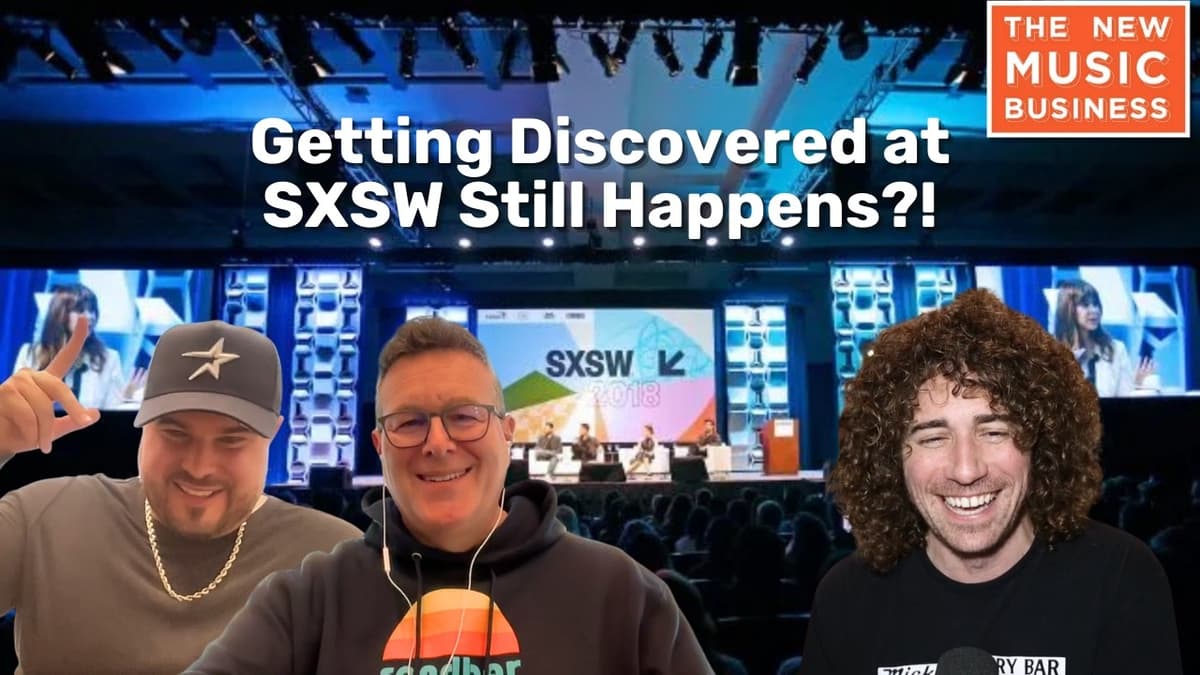
How SXSW Works For Music
South by Southwest has re‑engineered its format for its 40th anniversary, collapsing the once‑segmented music, film and interactive tracks into a single, seven‑day convergence. The demolition of the historic convention center forced organizers to relocate the music hub to the...
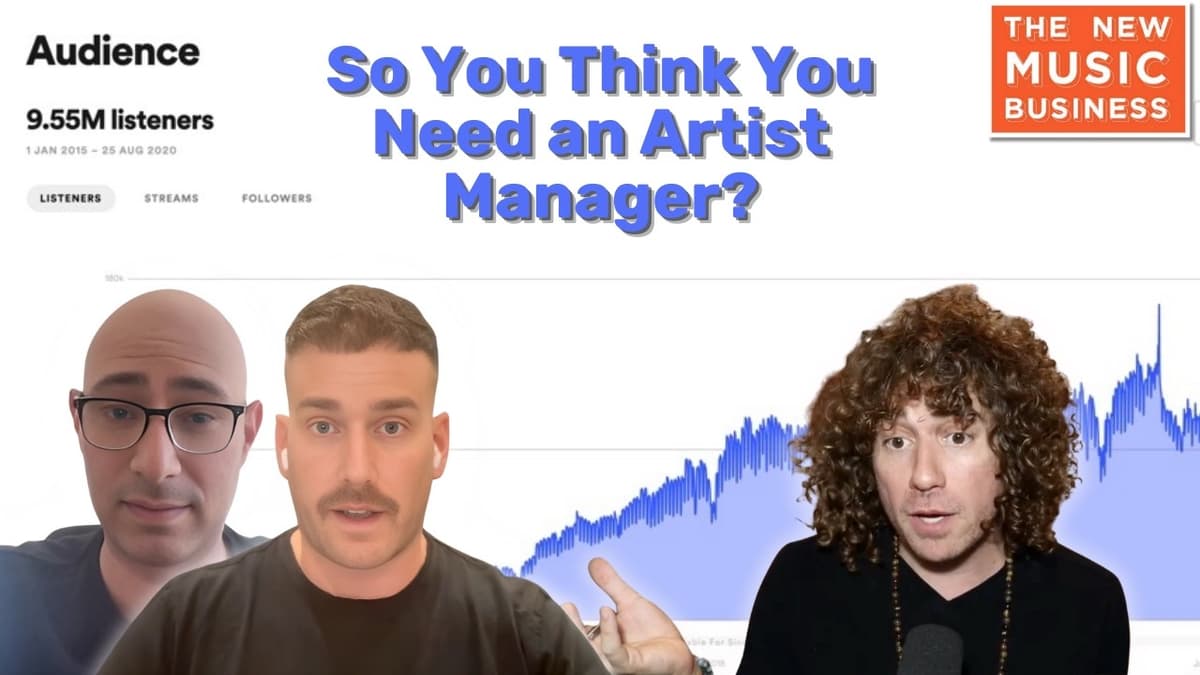
Artist Managers on Music Videos, Artist Development, Long-Term Strategy and True Fandom
In a candid conversation on the "New Music Business" podcast, host Arian sits down with Slush Management co‑founders Neil O’Conor and Aaron Green to unpack how modern artist managers navigate a fragmented industry. The discussion centers on the firm’s philosophy—following...
Doja Cat Managers on How Record Deals Have Changed in the Past 10 Years #podcast #newmusicbusiness
The podcast episode examines how record‑deal structures have shifted over the past decade, driven by the rise of digital distributors that can front advances while allowing artists to keep their masters. Hosts cite Empire as a flagship example, noting its...

Doja Cat's Managers Have It Down
The episode spotlights Good Day Management’s unconventional strategy of building a global empire around a single artist—Doja Cat. Founders Gordon Dillard and Josh Kaplan explain why they eschewed the typical multi‑artist roster, opting instead to treat Doja Cat as a multi‑business...