
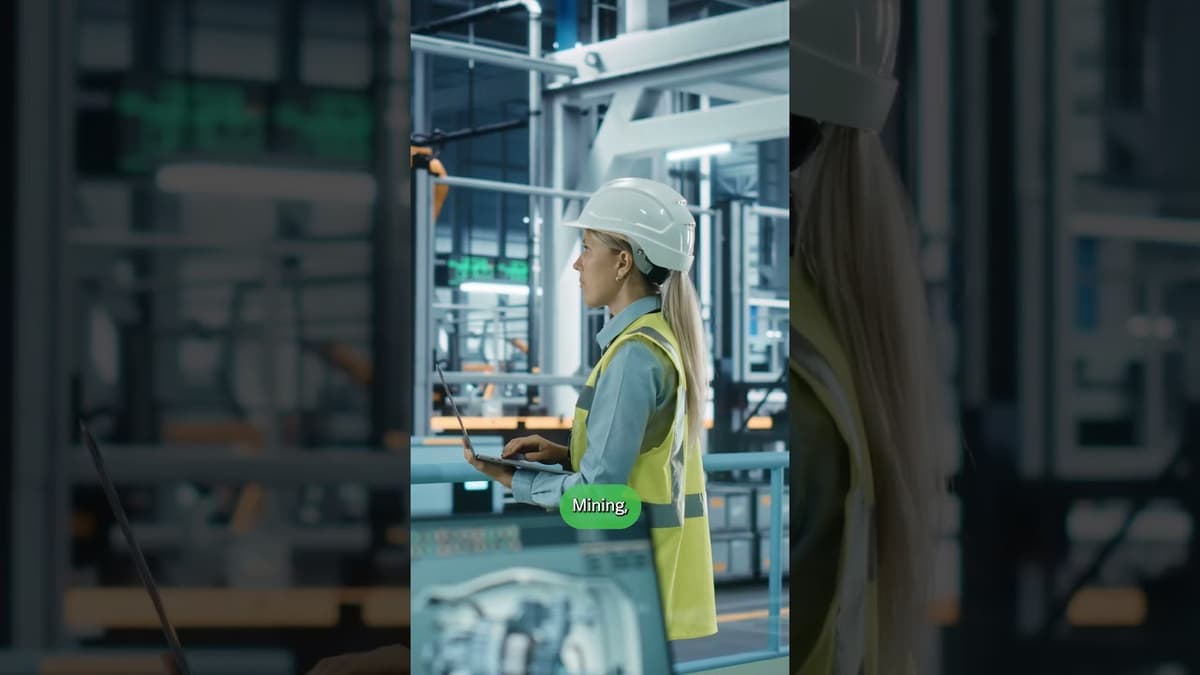
What Supply Chain Pros Need to Know About AI #supplychain #aiinsupplychain
The video explains how artificial intelligence is transitioning from a predictive advisory tool to an autonomous engine embedded in the core of supply‑chain operations. Executives are no longer asking whether AI can solve a problem; they are asking how to weave it into every step of planning, procurement, manufacturing, and logistics to boost efficiency. Key insights include AI’s ability to act within predefined guardrails—automatically reallocating inventory, rerouting shipments, or adjusting production when disruptions arise. By connecting to digital platforms and ingesting near‑real‑time data, AI becomes a central intelligence layer that synchronizes decisions across traditionally siloed functions, eliminating the “downstream ripple” effect of sequential choices. The speaker also highlights generative visual interfaces (GVI) as a future translation layer that surfaces complex data without extensive manual integration. Notable examples cited are AI‑driven autonomous responses to supplier delays and the use of machine learning to navigate tariffs, geopolitical risks, and labor constraints. These capabilities enable a more adaptive, resilient supply chain that can bend and bounce, while also informing smarter network design that favors regionalization over pure cost arbitrage. The implications are clear: firms that scale AI see measurable gains in responsiveness, service levels, and cost control, and they fundamentally redesign their supply‑chain architecture for risk mitigation and proximity. This shift positions AI as a strategic differentiator rather than a peripheral technology.

Where Trucking Companies Should Invest in Their Workforce First #truckingindustry
The video addresses a pressing question for trucking firms: where to focus workforce investments first. It argues that the most effective starting point is designing leadership tracks and job structures that align with drivers’ personal responsibilities, emphasizing flexible schedules, remote...
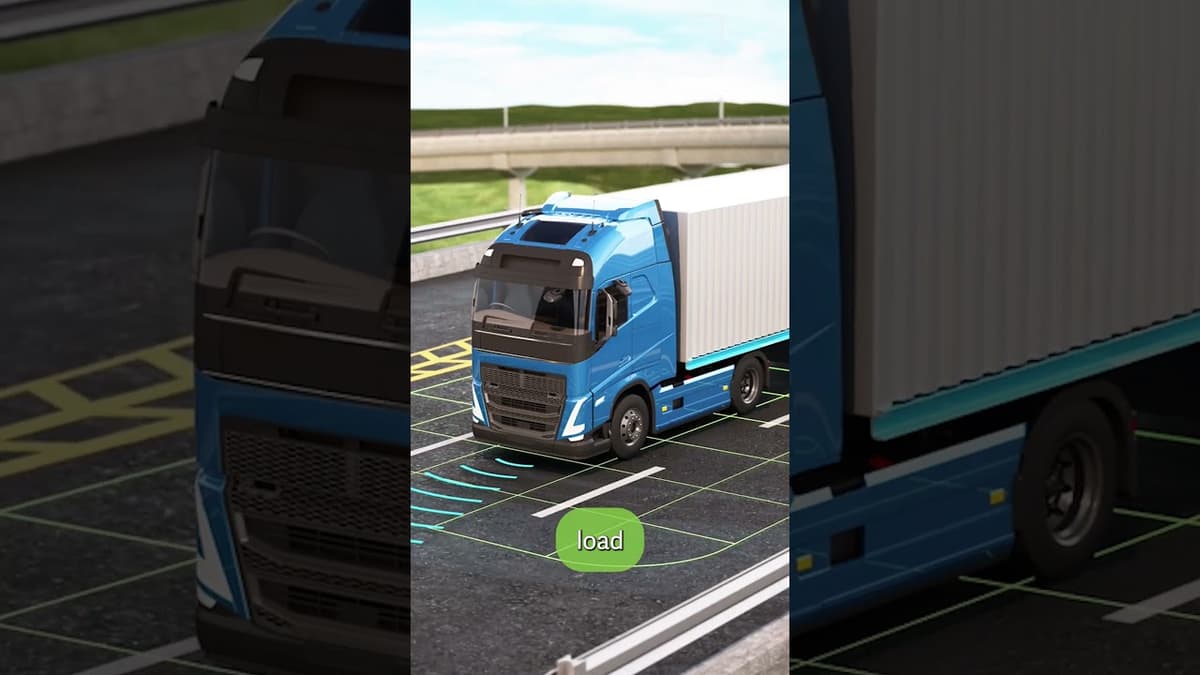
How AI Can Make Trucking More Human #AI #automation #truckingindustry
The video argues that artificial intelligence can make trucking feel more human by automating routine tasks while preserving personal interaction. It highlights AI‑driven recruiting tools that engage driver prospects in real time, even nights and weekends, allowing human recruiters to...
Trucking Pipeline Challenges
The video highlights growing anxiety in the trucking sector over a long‑term driver pipeline, even as today’s market shows an oversupply of qualified operators. While demand for freight transport has softened, the industry remains wary that the current lull may...

Redefining Opportunity in Supply Chain Trucking and Logistics Careers #truckingindustry
The video challenges supply‑chain leaders to unlearn traditional labor strategies and rethink how opportunity is defined in trucking and logistics careers. It argues that the industry’s current model forces women, parents, and caregivers to choose between work and family, limiting...

Redefining Opportunity in Supply Chain Trucking and Logistics Careers #truckingindustry
The video argues that supply‑chain leaders must unlearn outdated labor strategies and rethink how they define access to opportunity in trucking and logistics careers. It stresses that women, parents and caregivers are systematically excluded because traditional job models demand long hauls,...
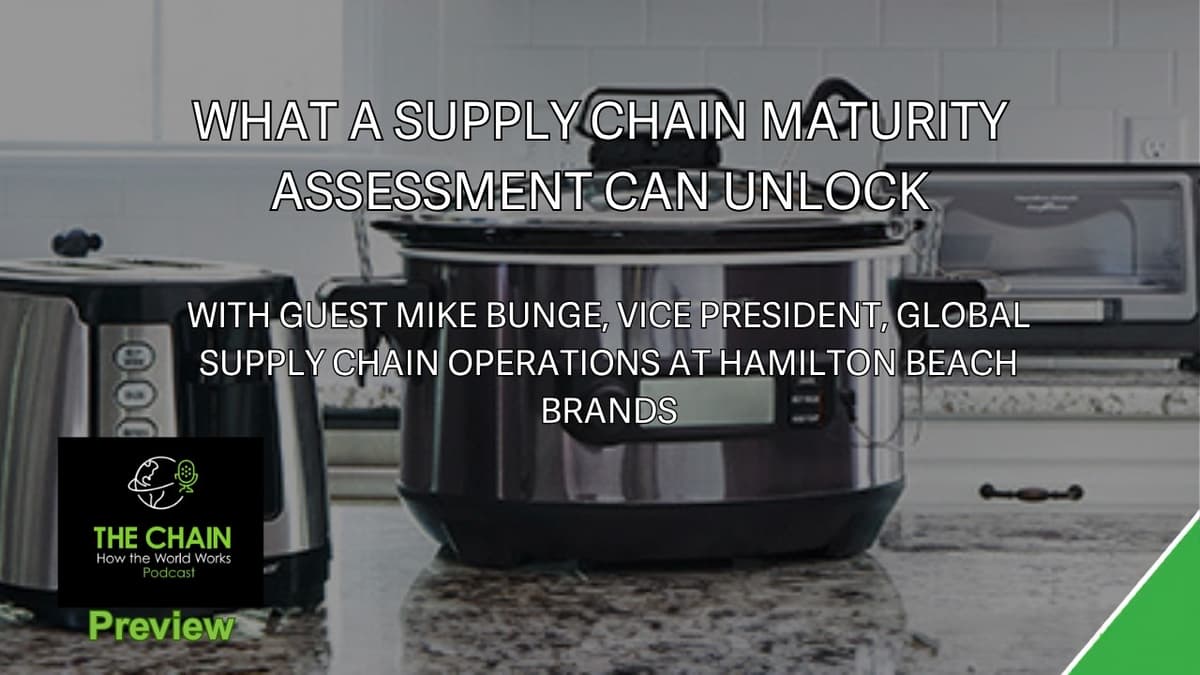
What a Supply Chain Maturity Assessment Can Unlock
The video explains how a supply‑chain maturity assessment can turn perceived external constraints into concrete improvement opportunities for leaders stuck in global complexity. Presenters urge managers to adopt child‑like curiosity, map every logistics and customs option, then run a structured scorecard...
Balancing Lean Operations with Supply Chain Resilience
The video examines how companies can reconcile lean, just‑in‑time manufacturing with the need for supply‑chain resilience, especially after the pandemic and 2019 tariff shocks exposed vulnerabilities. Speakers note that while lean practices cut inventory costs, they leave firms exposed to disruptions....

The Chain Podcast Ep 22 YouTube
The Chain Podcast episode features Mike Bunie, VP of Global Supply Chain Operations at Hamilton Beach, arguing that customs and logistics should be owned by supply‑chain teams rather than treated as immutable external forces. He outlines five strategic levers—network design, inventory...
Driving Value From Sustainability
The video explores how sustainability moves beyond a compliance checklist to become a strategic differentiator for B2B manufacturers, especially those supplying original equipment manufacturers (OEMs). The speaker frames sustainability value through three layers of the value chain: regulation, OEM relationships,...

If Not Supply Chain, Then Who?
The video tackles a persistent mindset among supply‑chain professionals who feel trapped by external forces such as customs and global logistics, asking who should ultimately own tariff and duty management. The speaker argues that the answer lies within the supply‑chain...

Revisit the Past for ROI
The video highlights a common leadership pitfall: pushing new technology solutions that don’t align with an organization’s existing infrastructure. Speakers note that rapid change often tempts leaders to force‑fit tools, creating friction and wasted resources. A second, equally damaging habit...

How Sustainability Becomes a Competitive Advantage
The video argues that sustainability is moving beyond a regulatory checklist to become a strategic differentiator for B2B manufacturers. The speaker frames the discussion around three layers of value creation – regulation, OEM relationships, and end‑customer demand – and shows...

Navigating Geopolitical Risk: Insights for the Months Ahead
The video addresses how supply‑chain leaders must navigate an evolving geopolitical landscape, focusing on the resurgence of tariffs after the Supreme Court struck down the AIPA measures and the launch of fresh Section 301 investigations involving dozens of countries and the...

Why Yesterday’s “Bad Ideas” Deserve a Second Look
The video argues that many leaders prematurely dismiss ideas, especially when onboarding new staff, because they try to force solutions that don’t fit current technology. It highlights two common mistakes: imposing ill‑suited tech fixes and shutting down concepts before they’ve been...