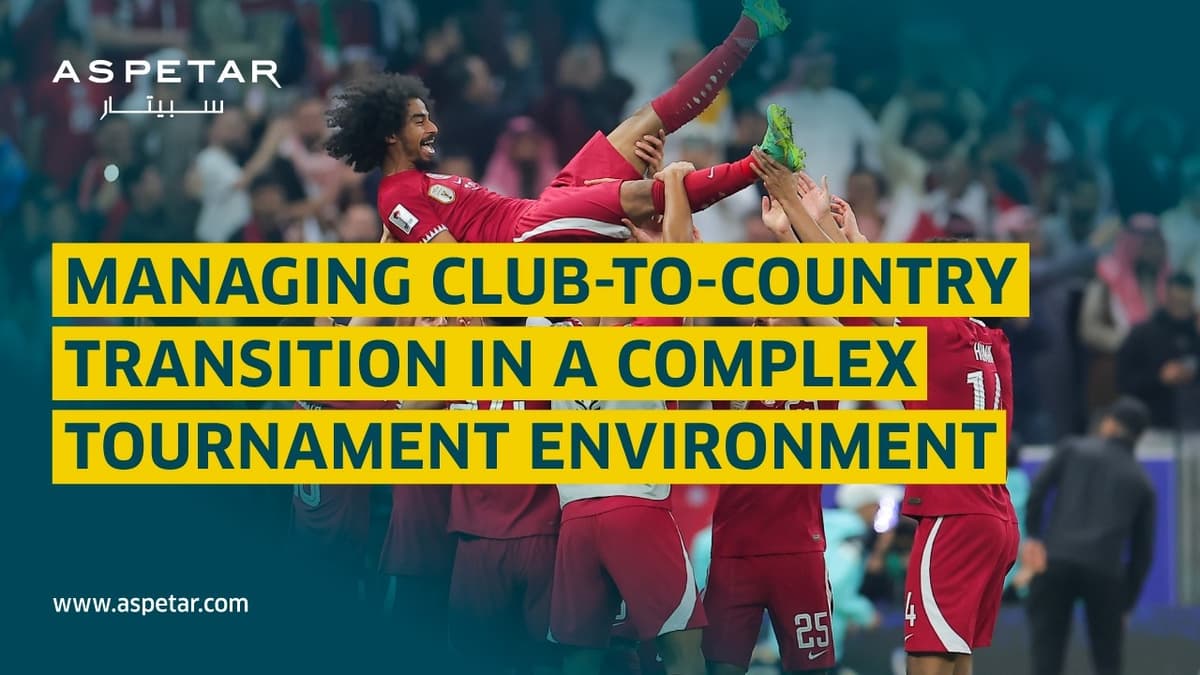
Optimising Player Readiness for the FIFA World Cup 2026™ ⚽⚽
The video outlines a systematic approach to preparing footballers for the FIFA World Cup 2026, emphasizing the critical transition from club duties to national‑team camps. Players arrive with disparate physical loads, recovery states and injury risks after grueling domestic seasons, creating unequal readiness that can affect tournament outcomes. To address this, the presenter advocates a risk‑based, individualized load‑management strategy. The tournament readiness model combines player profiling, match exposure, training load, recovery metrics and injury history to stabilize workloads and shift the focus from building fitness to preserving performance and freshness throughout the competition. Environmental and logistical variables—heat, humidity, altitude, travel fatigue, accommodation and nutrition—are highlighted as essential inputs. A robust medical and recovery framework provides continuous monitoring, while operational planning ensures sleep and hydration are optimized, creating a fully integrated performance‑health ecosystem. By aligning these elements, teams can maintain player availability, reduce early‑tournament fatigue and mitigate injury risk, giving them a decisive edge in a competition where a single absentee can alter a nation’s fortunes.
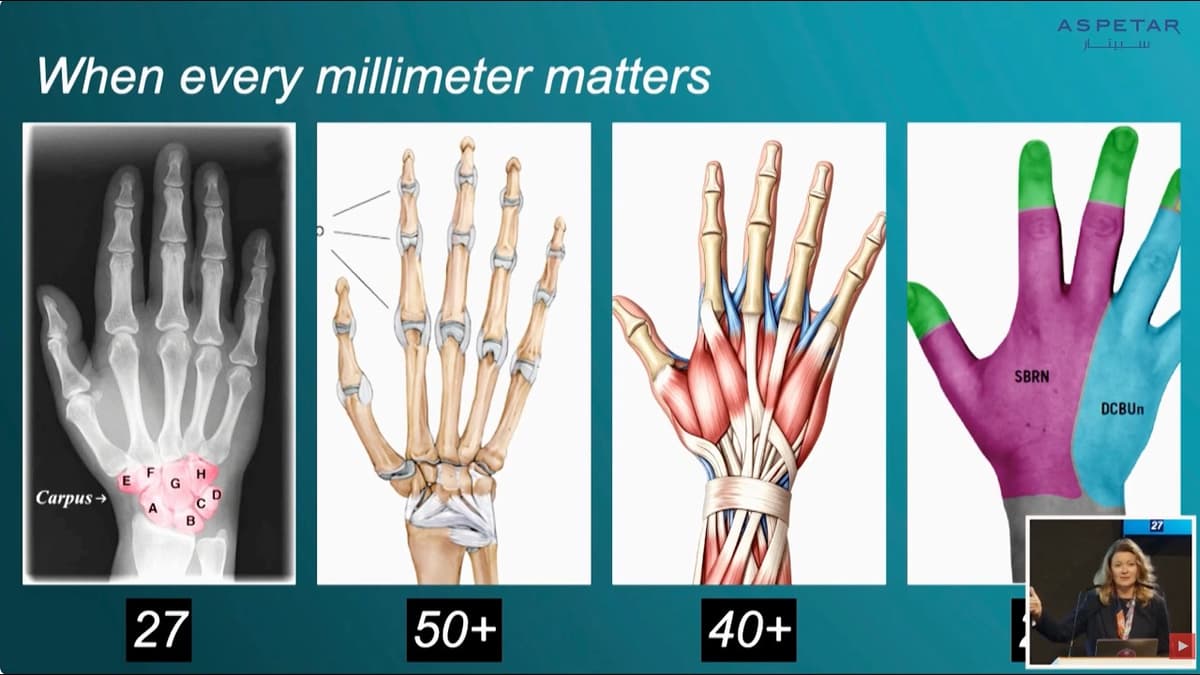
Surgical Perspectives on Athlete’s Hand and Wrist Injuries When Every Millimeter Matters
The lecture focuses on surgical perspectives for athletes’ hand and wrist injuries, emphasizing that every millimeter of anatomy can dictate performance outcomes. By framing the millimeter as an allegory for the razor‑thin margins athletes face, the speaker highlights the complexity...
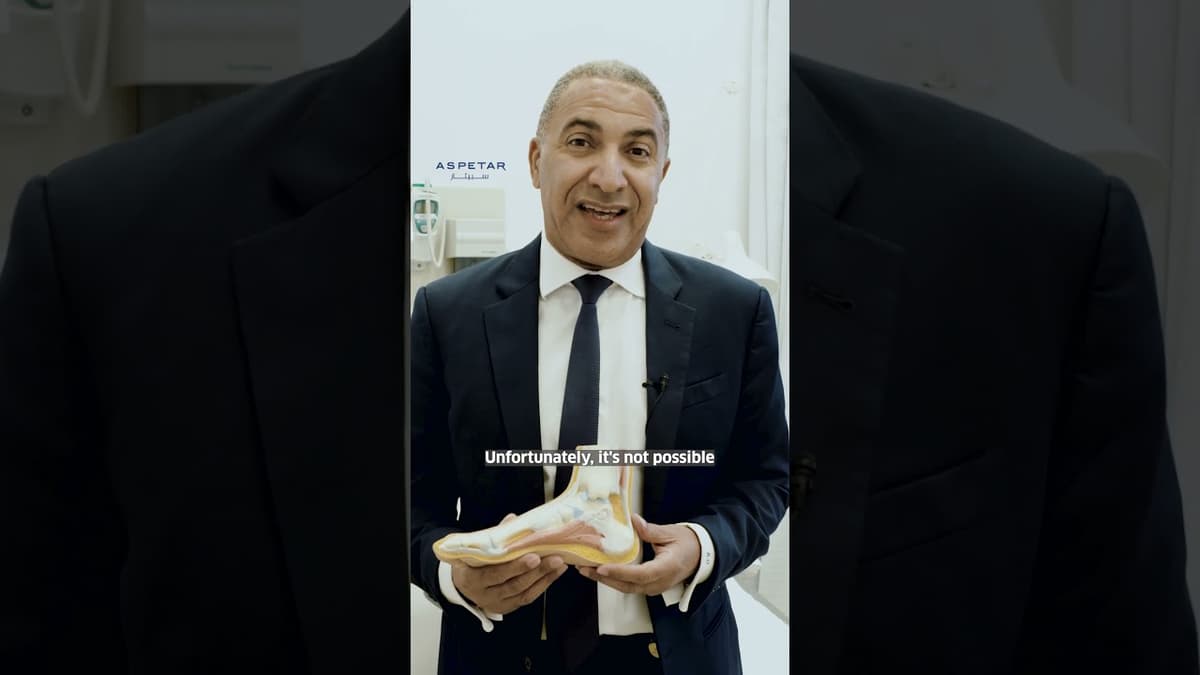
The Truth About the Achilles Tendon
In this briefing, orthopedic surgeon Bruno Lori explains the prevalence and mechanics of Achilles tendon ruptures, a common injury among both elite athletes and the general public. He describes the tendon’s role in bearing up to five times a person’s...

Meet Dr. Marcelo Bordalo, Chief of Radiology at Aspetar.
The video introduces Dr. Marcelo Bordalo, chief of radiology at Aspetar, a world‑class sports medicine facility in Qatar. With a medical degree, residency, and musculoskeletal fellowship from the University of São Paulo, plus further training in Belgium and at NYU,...

Aspetar Sports Injury and Illness Risk Management Tool
The video introduces Aspetar’s Sports Injury and Illness Risk Management Tool, the first systematic solution designed to move injury prevention beyond generic protocols and embed formal risk‑management principles into professional sport. By guiding clubs through a structured process of risk...
Global Injury and Illness Surveillance Framework
The video outlines a Global Injury and Illness Surveillance Framework pioneered by ASPAR in 2012, initially covering all professional football clubs in Qatar’s Stars League through a partnership with SMP, Asprev, and QSF. The initiative later scaled to the Asian...