
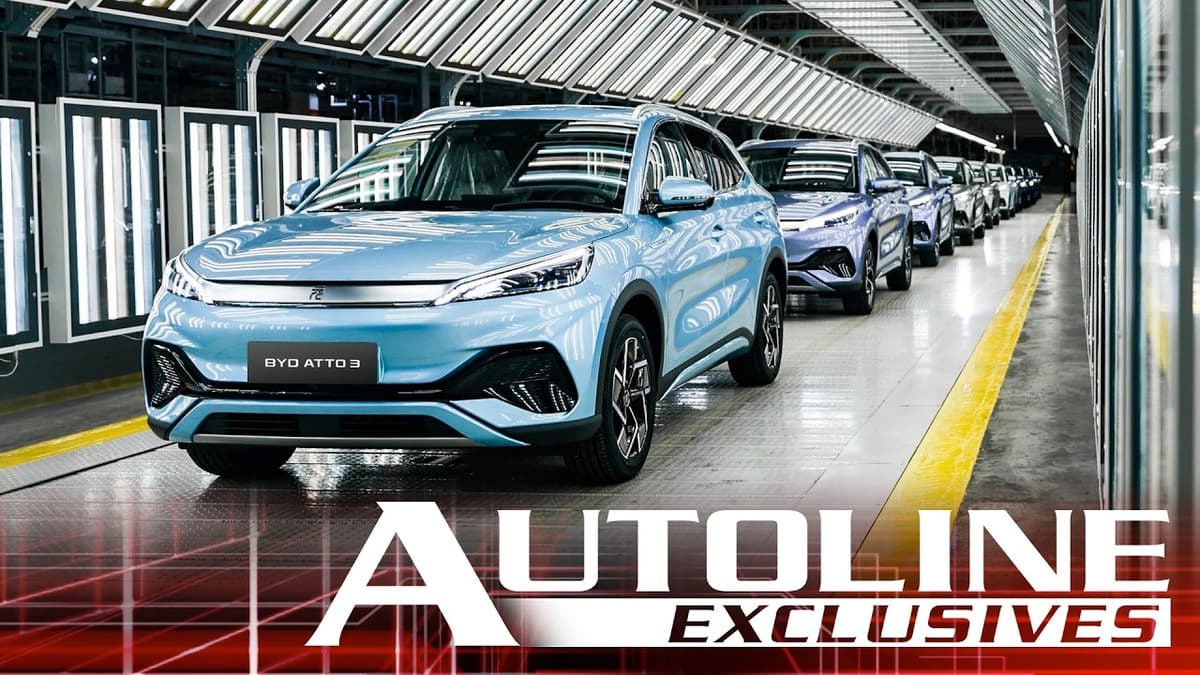
How China Is Leading an Automotive Revolution - Autoline Exclusives
The interview with Bill Roso of Automobility highlights China’s rapid transformation from a traditional auto market to a technology‑driven mobility powerhouse. Over the past five years Chinese brands have surged to 70% of passenger‑vehicle sales, while new‑energy vehicles now represent roughly 60% of monthly sales—a stark contrast to sub‑5% levels in 2020. Roso stresses that the next battleground is not merely electrification but the evolution of cars into intelligent, connected platforms. Software, AI‑assisted driving, and seamless user experiences are being built at a tech‑industry clock speed, turning vehicles into data aggregators and service hubs. He cites concrete examples: BYD’s LiDAR‑equipped Seagull priced under $12,000, Xiaomi’s rapid rise to a top‑10 EV maker, and Huawei’s ecosystem outselling Tesla in China. Ride‑hailing giants Tencent and Alibaba have embedded mobility into their payment ecosystems, making monthly software subscriptions as natural as smartphone data plans. For legacy OEMs, the message is clear: legacy processes are an albatross. Success now requires mastering ecosystem integration—hardware, software, chips, and services—to monetize the vehicle beyond the point of sale. Companies that fail to adopt this platform mindset risk being left behind as China sets the global pace for the future of mobility.
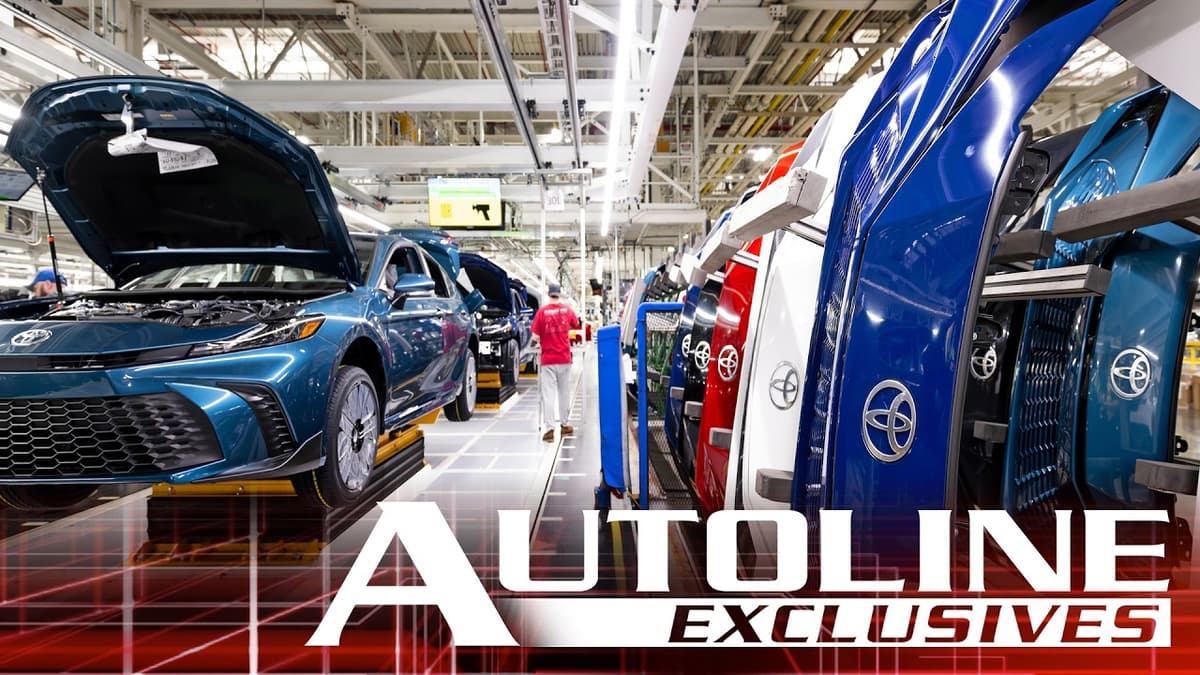
Automakers Improve Relationships with Suppliers - Autoline Exclusives
The latest Plant Moran survey reveals that every major automaker has lifted its supplier‑relationship scores, despite a turbulent year marked by tariffs and the rapid shift toward electric vehicles. Analysts attribute the gains to proactive OEM initiatives, more transparent commercial...
Borg Warner: Go To China To Get In Shape
The Autoline After Hours interview features BorgWarner CEO Joe Fidul outlining the company’s strategic pivot toward electrification, with China positioned as the crucible for testing speed, cost and product reuse. He emphasizes that China now accounts for roughly 20% of...
Does Lucid Have a Brand Awareness Problem?
The video argues Lucid Motors faces a fundamental brand‑awareness deficit that threatens its ability to sell enough vehicles to stay viable. Despite offering premium technology, Lucid’s “low‑cost” model starts near $80,000—far above the $50,000 average EV price—making price a barrier. The...
How Life Will Change For Everyone At Ford - Autoline Exclusives
Ford’s chief operating officer Kumar Galhotra unveiled a sweeping reorganization dubbed "Product Creation and Industrialization," an end‑to‑end structure that consolidates cycle planning, concept development, engineering, sourcing, manufacturing and post‑sale support under a single team. The move builds on the earlier...
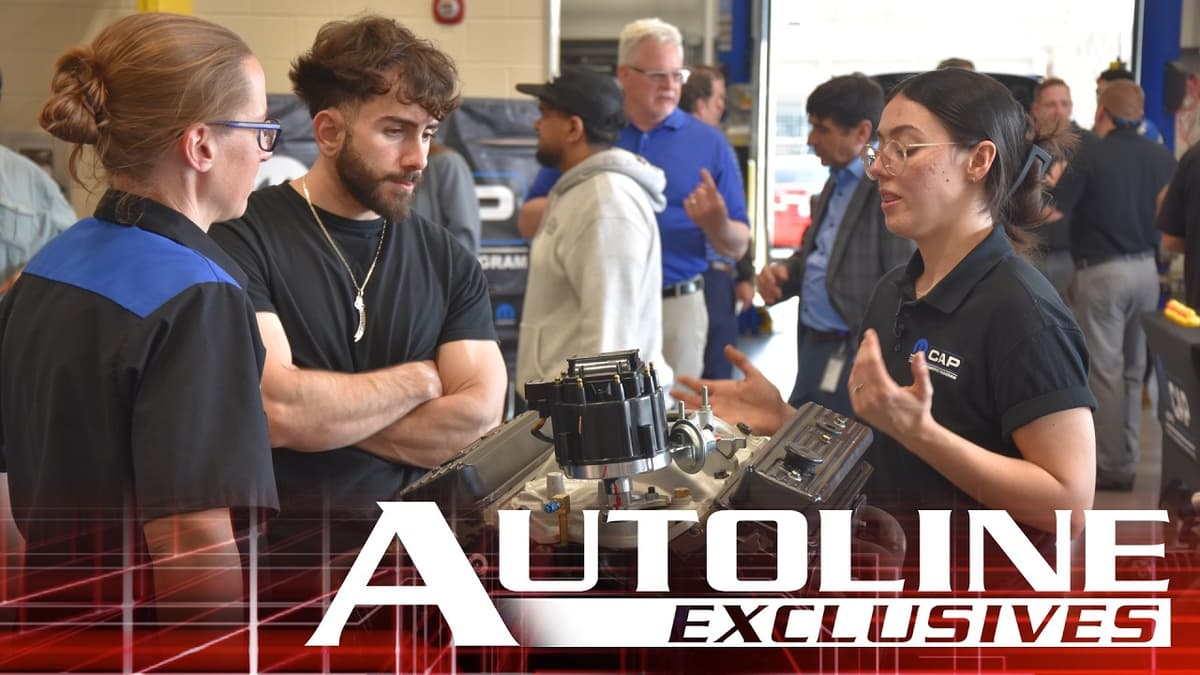
We Need More Car Mechanics, Stellantis Is Helping - Autoline Exclusives
Stellantis introduced the Mopar Career Automotive Program (CAP) at Henry Ford Community College, a partnership aimed at cultivating a new generation of automotive technicians. The initiative responds to an estimated 37,000‑plus technician shortfall across the U.S., combining standard automotive coursework with...
Should We Worry About Self-Driving Cars?
The video debates whether society should worry about fully autonomous vehicles, focusing on accident outcomes, insurance implications, and legal liability when a self‑driving car is involved in a crash. Proponents cite emerging data that autonomous systems already record lower crash rates...
The Never Ending Learning Process of How The Industry Works
The Center for Automotive Research (CAR) previewed its upcoming Management Briefing Seminars (MBS) in Detroit, shifting the event from Traverse City to improve industry access and celebrate its 61st year. The agenda blends policy, economics and technology, featuring a policy summit...
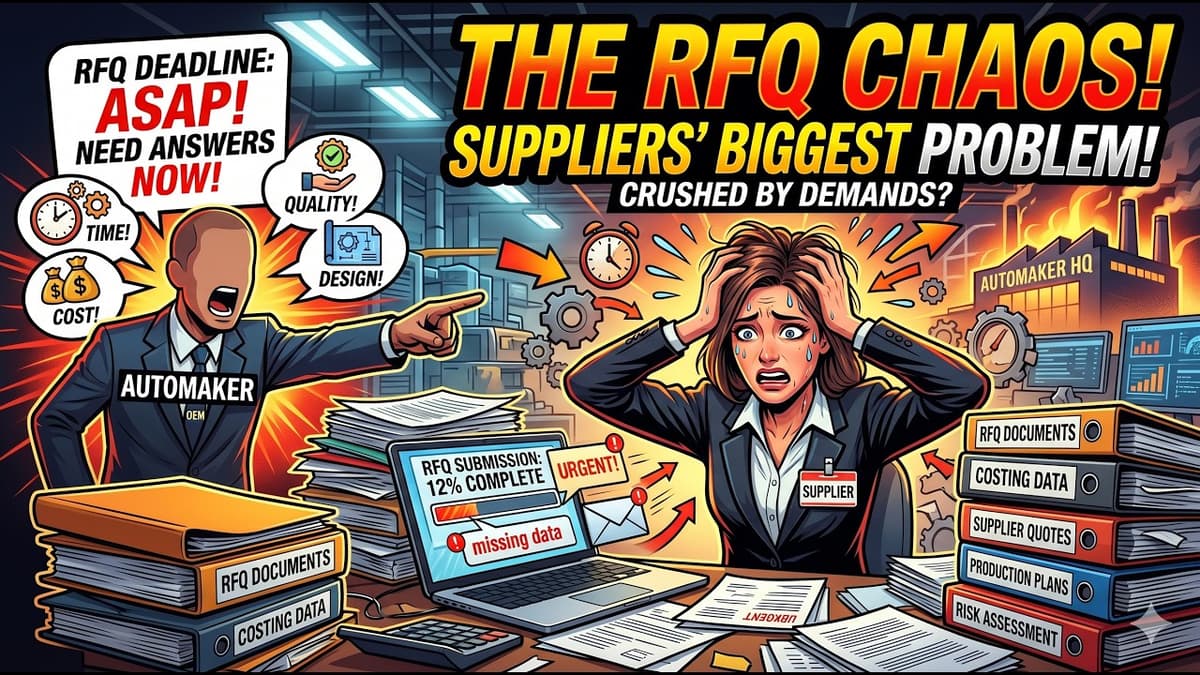
Tier 1's Need To Fix Their RFQ Process
The video features John Maroy with Ted Mabley and Edgar Fowler discussing persistent inefficiencies in automotive suppliers' request‑for‑quote (RFQ) process, noting that despite two decades of analysis little has improved. They compare baseline data from 2001 to 2025, showing hours per...
Remanufacturing Unlocks Profits & Slashes Carbon Footprints
The video spotlights remanufacturing as a profit‑driving, carbon‑cutting strategy, with ZF’s Jeff Stukenberg explaining how the practice restores used automotive components to "like‑new" condition. He defines remanufacturing as a standardized, industrial process that disassembles, cleans, replaces wear items, updates designs,...
AutoForecast Solutions Quarterly Update: Volatility Is the New Normal
In the first quarterly update from AutoForecast Solutions, CEO Joe McCabe and VP Sam Fiorani warned that volatility has become the new normal for the global automotive industry. Geopolitical shocks—from Iran’s war to shifting US‑Mexico‑Canada trade rules—combined with strained OEM‑supplier...

Bring Back Full-Size American Sedans
The video argues that American automakers should revive full‑size sedans by leveraging existing body‑on‑frame platforms, rather than launching expensive, ground‑up programs. By adapting the Ranger/Bronco chassis for Ford and the Colorado chassis for GM, manufacturers could produce a sizable sedan...
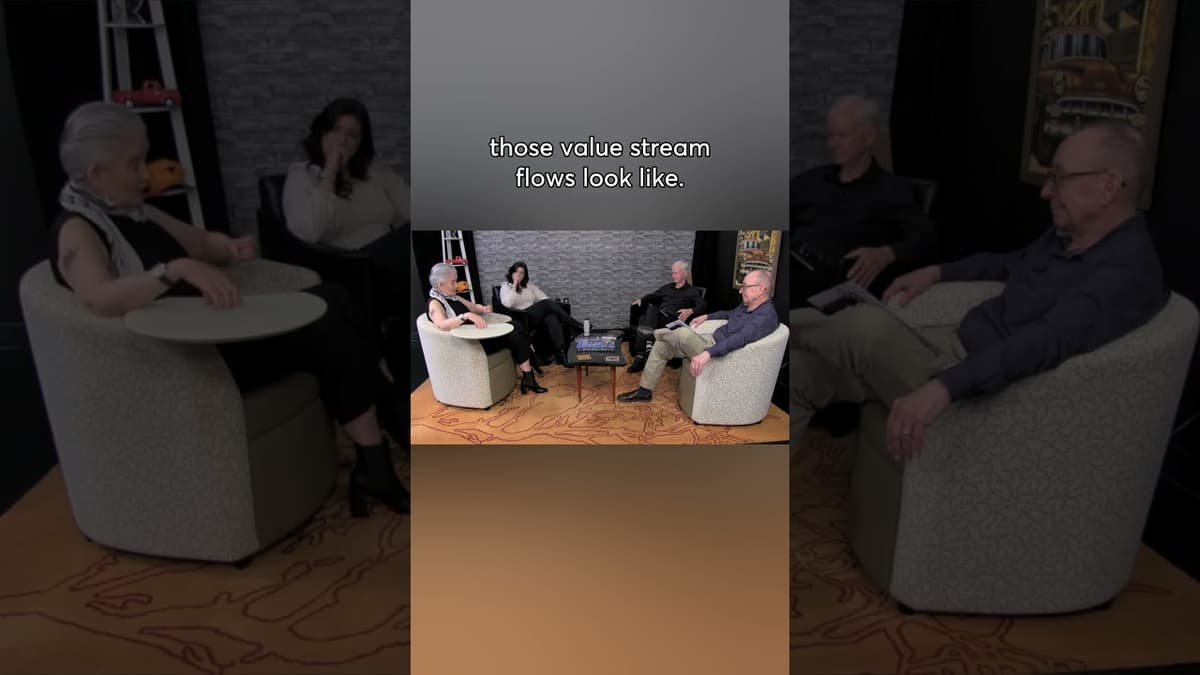
How to Change Culture in Legacy Auto
A veteran auto-industry executive argues that transforming culture at a legacy automaker starts with convening a diverse brain trust—including outsiders—and isolating them to redesign the organization around value streams rather than siloed functions. The team should take a clean-sheet approach...
Changing The Culture At Legacy Automakers....or Is It Just Impossible?
The Autoline After Hours panel tackled the stubborn cultural inertia of legacy automakers, arguing that their operating systems still reflect Frederick Taylor’s 1911 command‑and‑control model and Henry Ford’s assembly‑line silos. Jan Griffith framed culture as the "operating system" of a...
Did Lucid Motors Pick the Wrong CEO?
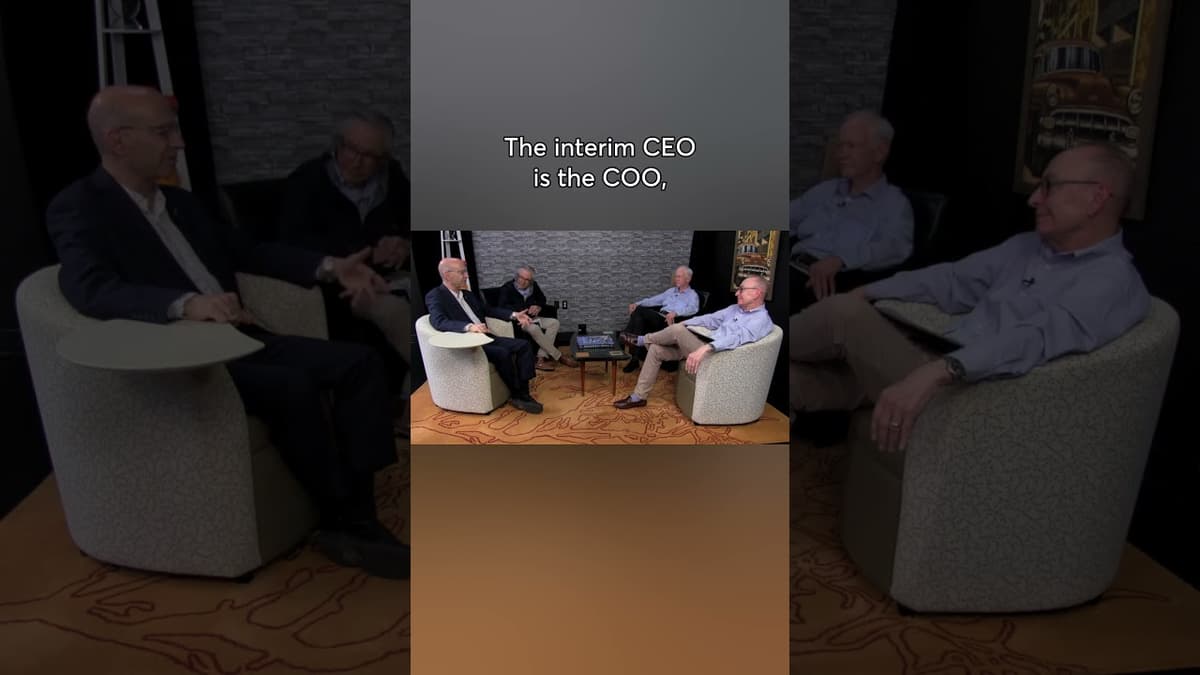
Lucid Motors announced Silvio Napoli, a longtime executive from elevator maker Schindler, as its next chief executive officer, replacing interim leader Mark Winterhoff who will stay on as chief operating officer. Analysts question whether Napoli’s experience moving people in elevators translates...