
Video•Mar 10, 2026
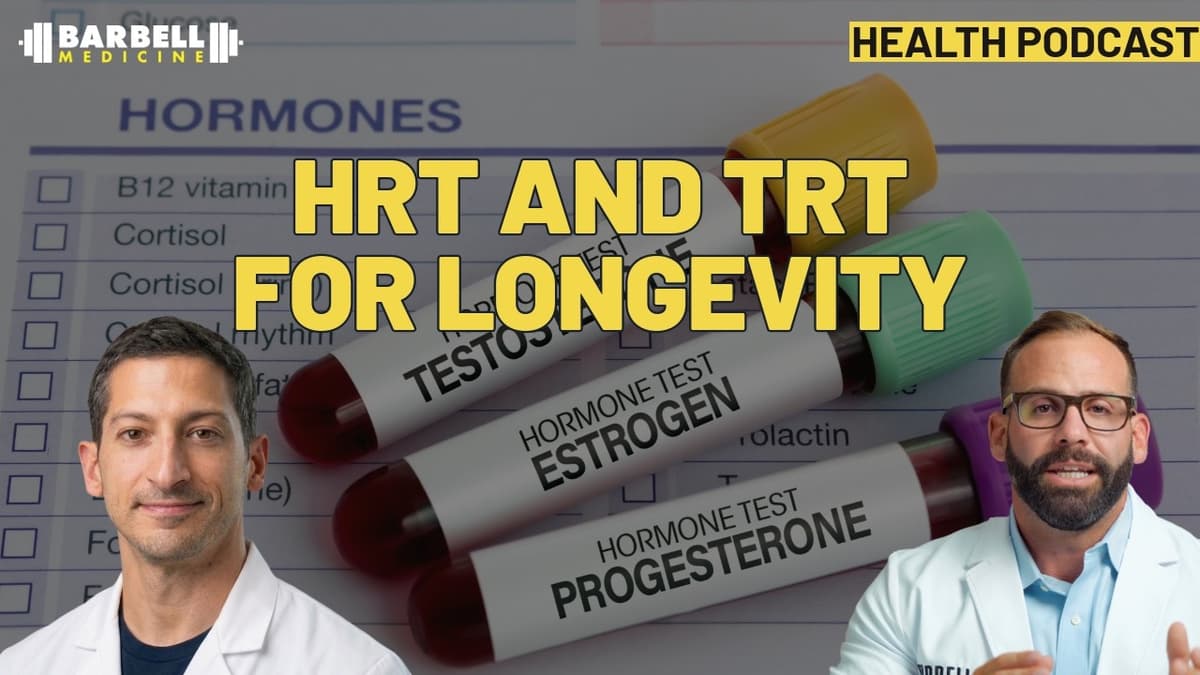
Hormone Replacement Therapy: The Truth About HRT, TRT, and Heart Disease Risk
The podcast revisits hormone replacement therapy (HRT) and testosterone replacement therapy (TRT) through the lens of contemporary cardiovascular data. It argues that the lingering fear surrounding HRT stems from the 20‑year‑old Women’s Health Initiative (WHI) trial, which used older hormone formulations and older participants, and that newer studies—especially subgroup analyses of women aged 50‑59 within ten years of menopause—show a 30% reduction in heart‑attack risk. Key points include the narrow FDA‑approved indications for menopausal HRT—vasomotor symptoms, genitourinary atrophy, and osteoporosis prevention—and the distinction between systemic estrogen (transdermal, gels, patches) and local vaginal products, the latter carrying virtually no cardiovascular risk. For men, the conversation shifts to testosterone deficiency, where current evidence suggests neutral effects on major adverse cardiac events, modest improvements in lipid profiles, and no definitive proof of cardiovascular benefit. The hosts cite a real‑world example of a woman who underwent surgical menopause in her 40s and avoided osteoporosis only after finally receiving estrogen, underscoring the clinical consequences of outdated stigma. They also highlight the lack of formal training many physicians receive on HRT/TRT, prompting reliance on self‑directed education to safely prescribe these hormones. Overall, the discussion calls for updated clinical guidelines, individualized risk stratification, and better physician education to dismantle misconceptions, expand appropriate hormone use, and potentially improve bone health and quality of life without increasing cardiac risk.
By Barbell Medicine

Video•Mar 9, 2026
His Doctor Ordered A Liver Biopsy, But Did He Need It?
The Barbal Medicine podcast episode tackles a common diagnostic blind spot: elevated transaminases in active patients are often misread as liver pathology when they may simply reflect exercise‑induced muscle damage. The discussion centers on a case of a young, asymptomatic...
By Barbell Medicine
Video•Mar 9, 2026
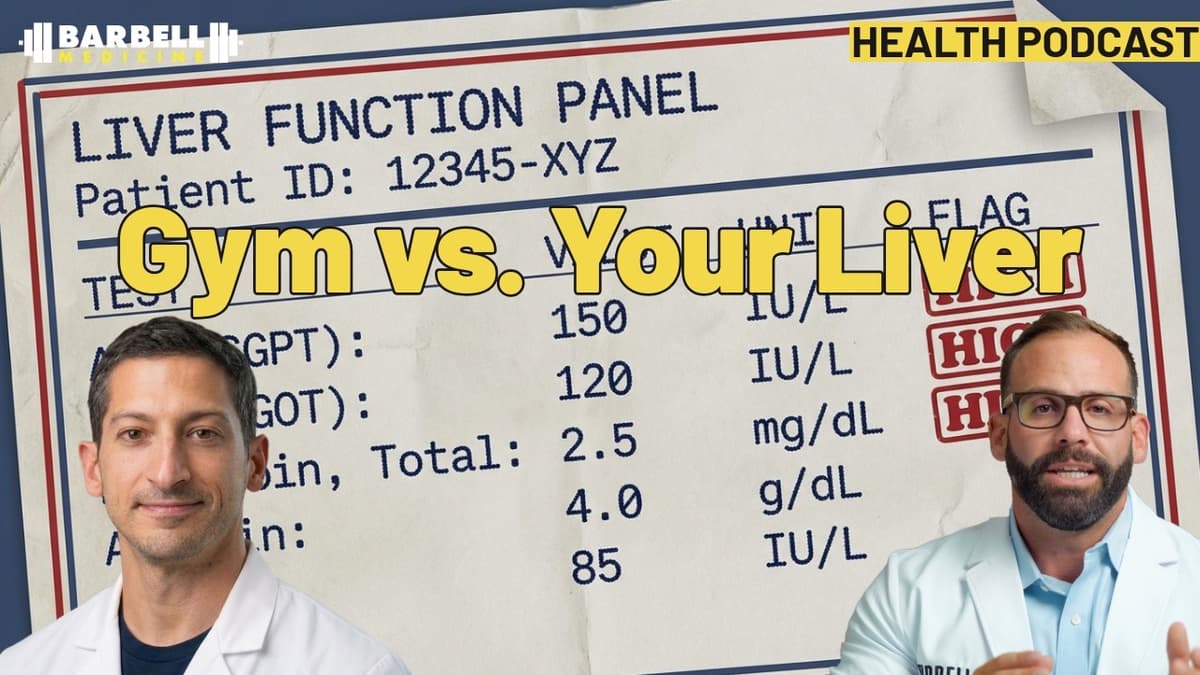
Your Liver Enzymes Are Elevated — But It Might Not Be Your Liver | Barbell Medicine
The Barbell Medicine podcast tackles a common diagnostic blind spot: elevated liver‑associated enzymes are often assumed to signal liver disease, yet many cases stem from recent intense exercise or other non‑hepatic sources. Using a real‑world case of a 39‑year‑old active...
By Barbell Medicine