
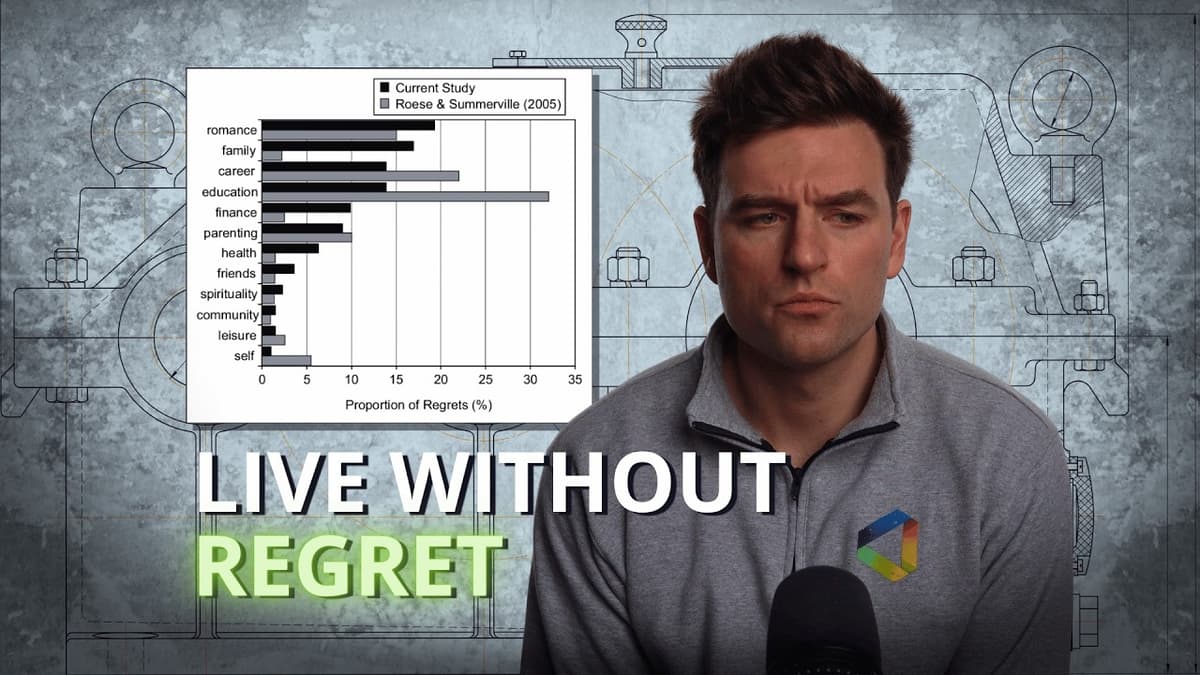
Using Your Money To Be Happier
Ben Felix, chief investment officer at PWL Capital, argues that personal finance should fund a good life, not merely accumulate wealth. He explains that while sufficient income is essential for basic needs, beyond a modest threshold money contributes little to day‑to‑day happiness and only modestly to overall life evaluation. The video cites multiple studies: a 2010 paper showing experienced happiness plateaus around $75,000 (about $112,000 today) and a 2018 study finding similar satiation points. A 2021 real‑time survey suggests higher incomes still boost both experienced and reflective happiness, but only for those already happy. Felix frames these findings within the PERMA‑V model—positive emotion, engagement, relationships, meaning, accomplishment, and vitality—as the core ingredients of well‑being. Felix highlights concrete examples: home ownership does not reliably increase happiness compared with renting, and the pursuit of higher‑paying, high‑stress jobs often erodes time for relationships and leisure. He stresses that people overestimate the joy from financial gains due to adaptation and the “end of history” illusion, and that social comparison can drive wasteful spending. The takeaway for investors, employers, and individuals is to prioritize time‑saving choices, nurture intrinsic goals, and align financial decisions with the PERMA‑V factors. By treating time as a tradable asset and focusing on relationships and purpose, one can achieve a higher quality of life without chasing ever‑higher income.
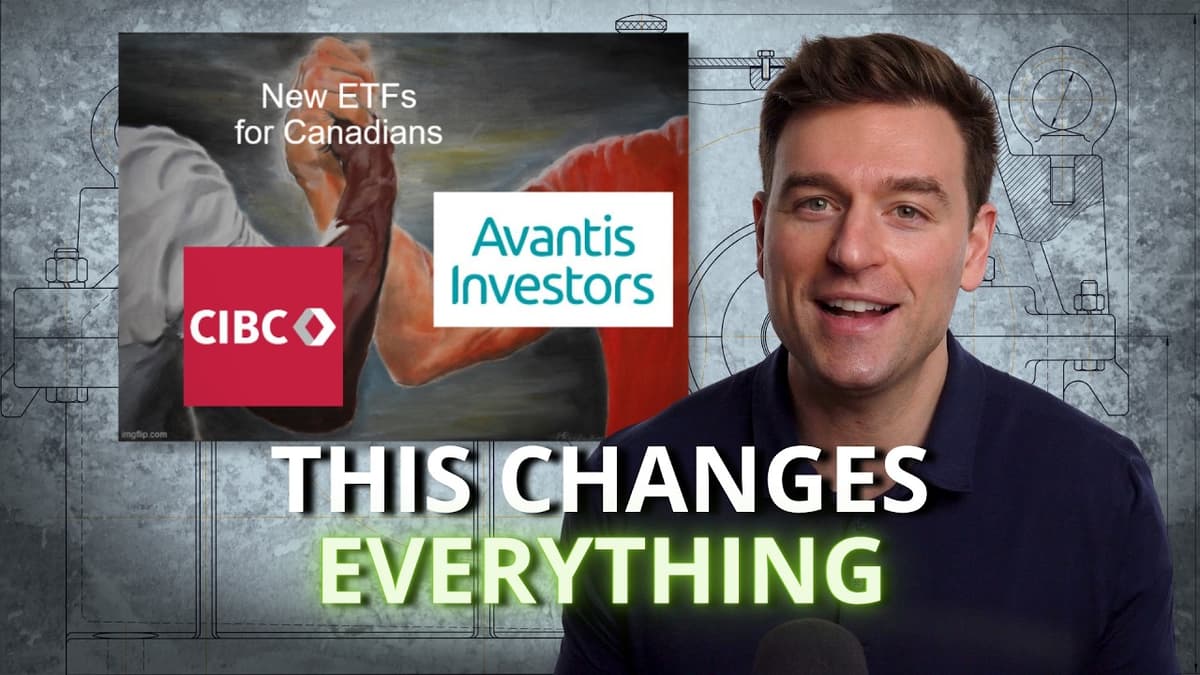
CIBC’s Avantis ETFs Vs. Index Funds
CIBC has launched a suite of Avantis‑branded ETFs that bring factor‑tilted, low‑cost equity exposure to Canadian investors. The funds aim to combine the simplicity and low fees of traditional index funds with evidence‑based tilts toward smaller, cheaper and more profitable...

SpaceX and OpenAI: The Mega IPO Grift
The video examines the looming public listings of private giants such as SpaceX, OpenAI and Anthropic, and how their potential inclusion in major stock‑market indices could compel index funds to purchase their shares regardless of price. Ben Felix explains that fast‑track...

The Finance Paper That Changed Everything
The video examines the landmark 1993 paper by Eugene Fama and Kenneth French that introduced a three‑factor asset‑pricing model, fundamentally altering both academic finance and portfolio management. It contrasts the earlier capital asset pricing model (CAPM), which relied solely on...
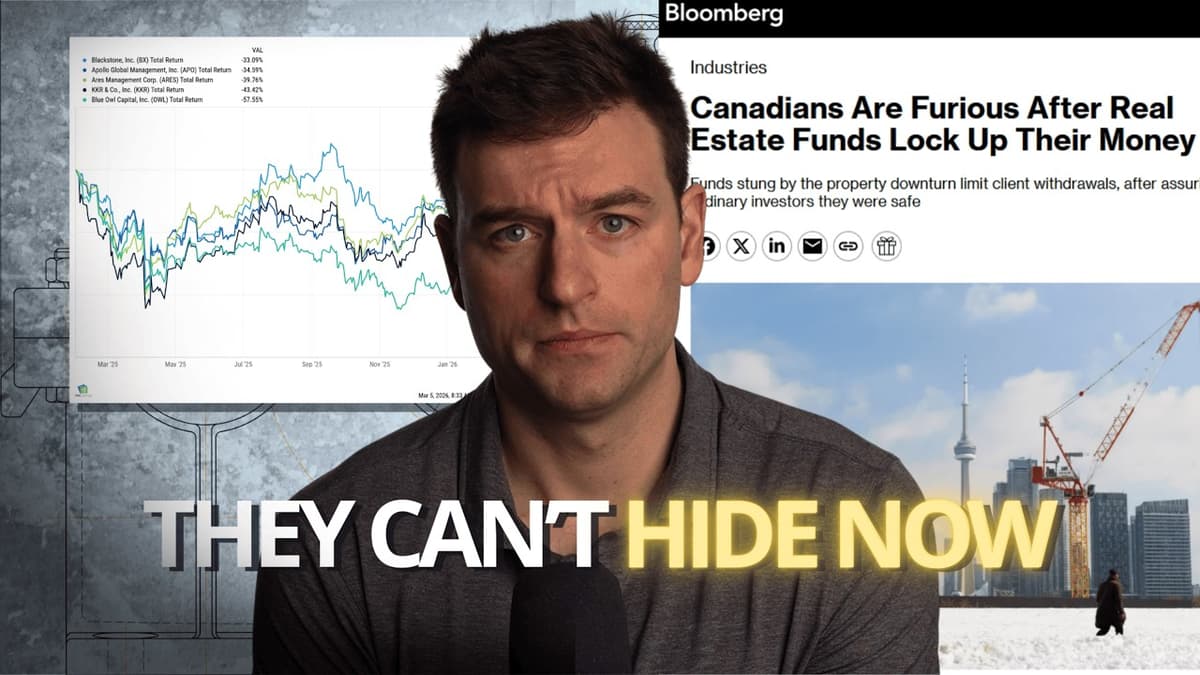
The Problem with Private Markets
The video warns that private‑market assets—private equity, credit and real‑estate—are confronting a liquidity crunch that is forcing the sector out of its traditional institutional hide‑away and into the view of retail investors. Ben Felix points to a wave of gating, forced...
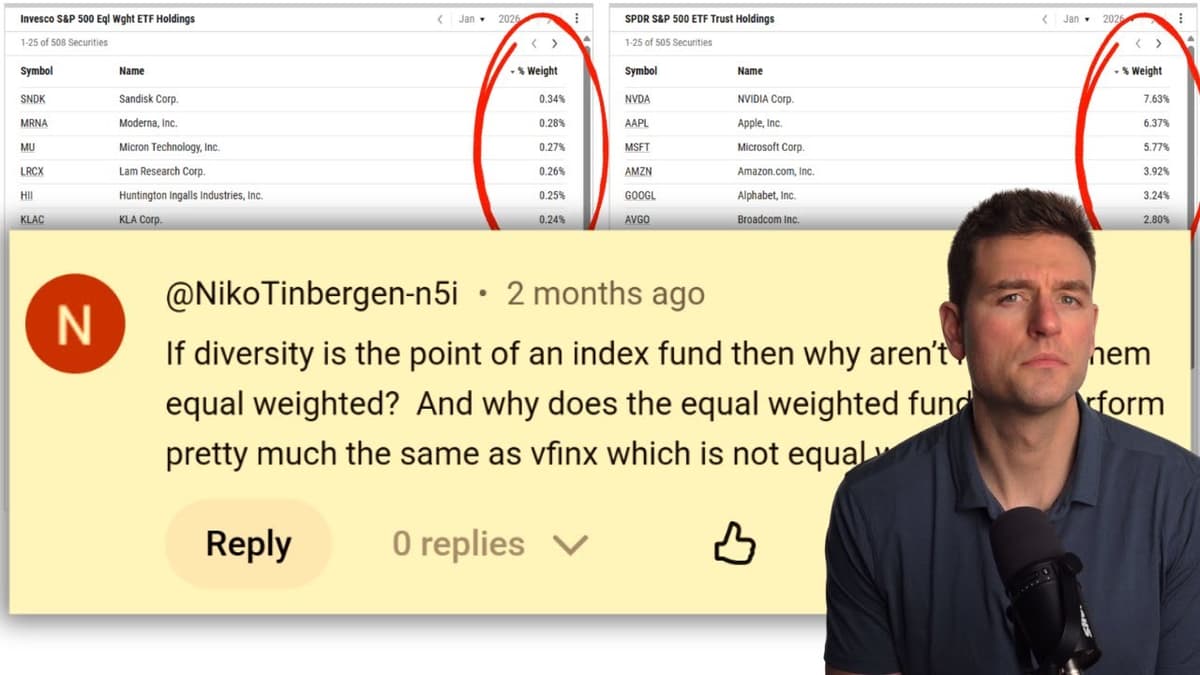
The Problem with Equal Weight Index Funds
The video examines why equal‑weight index funds, despite their popularity, are not a superior alternative to market‑cap weighted funds. Ben Felix explains that equal weighting eliminates the heavy concentration in mega‑caps like Apple, but it does so by forcing large...