
Recent Posts
Video•Mar 1, 2026
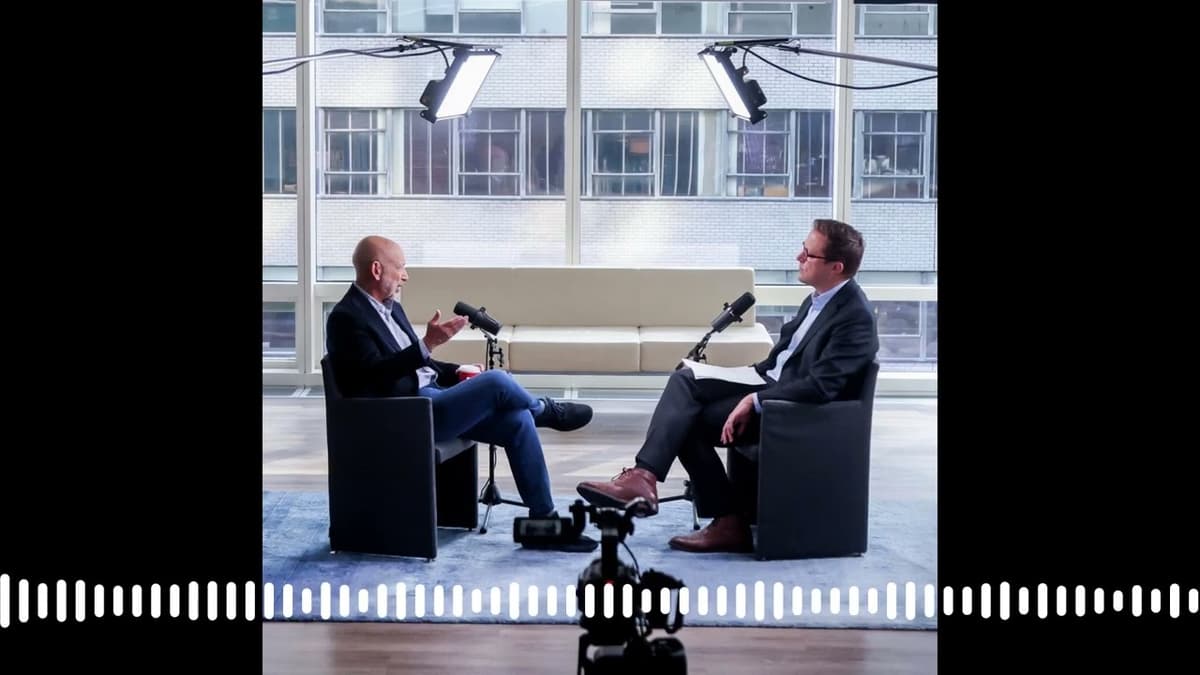
Former Goldman Sachs CEO Lloyd Blankfein Says the Market Is Due For a Reckoning | Big Take
Former Goldman Sachs chief Lloyd Blankfein, now retired, sat down with Bloomberg’s David Gura to flag what he sees as a looming market correction. He argues that after years of buoyant equity and credit markets, the system is entering the late stages of a cycle and a “reckoning” is inevitable, especially as opaque private‑credit assets proliferate. Blankfein highlighted several risk vectors: the growing illiquidity of private‑credit portfolios, the difficulty of marking such assets accurately, and the danger of pushing these products into retirement accounts where losses would have political fallout. He also addressed the AI hype, calling current applications “parlor tricks” that require parallel legacy systems and will not immediately shrink headcounts. Throughout, he stressed that discipline erodes when markets run smoothly, making periodic shocks essential to restore prudence. Memorable soundbites included, “We’re due for a kind of reckoning,” and, “If you’re fretting about a risk, it’s probably not the one that will blow up.” He likened the current AI narrative to past algorithmic shifts and warned that only founders betting their own wealth can truly gauge the technology’s upside. The interview signals that investors should scrutinize private‑credit exposure, regulators may tighten oversight of retail‑focused illiquid products, and firms must balance AI adoption with operational resilience. Blankfein’s cautionary tone suggests a shift from aggressive growth to tighter risk management as the market approaches a potential downturn.
By Bloomberg Podcasts
Video•Feb 26, 2026
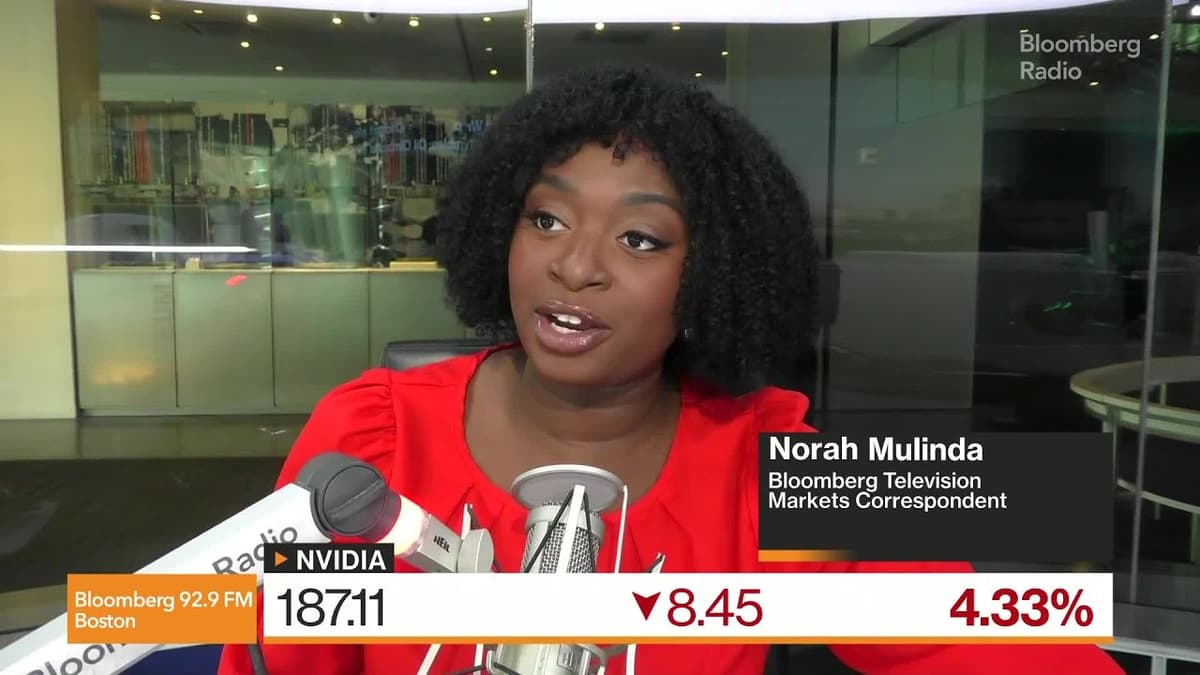
Nvidia Drops on Investor Sentiment; Papa John's Down on Sales Miss | Stock Movers
The video spotlights three headline movers – Nvidia, GoodRx and Papa John’s – and their outsized impact on today’s market narrative. Nvidia’s shares fell more than 4%, briefly hitting a 5.6% plunge, marking its worst session since November after an...
By Bloomberg Podcasts
Video•Feb 25, 2026
Dismal Diageo, Santander's Vow, Trainline's Exit | Stock Movers
Diageo cut its fiscal‑year guidance for the second time this year as demand stalls in the United States and China, putting new chief executive Dave Lewis under immediate pressure. Santander announced a pledge to lift net income above €20 billion by...
By Bloomberg Podcasts