First Exercise Boosts Strength, Not Hypertrophy, Regardless of Order
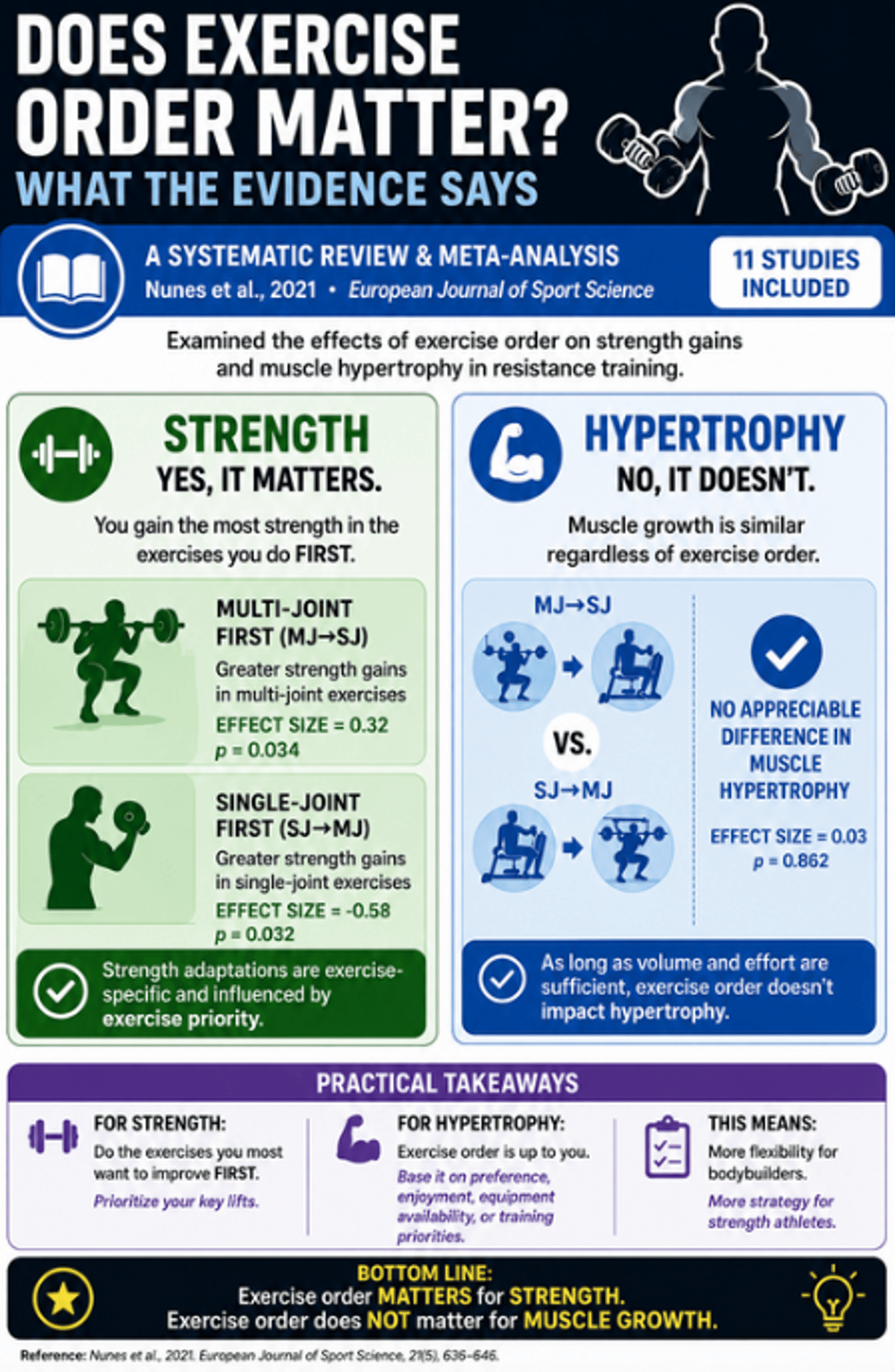
Common resistance training prescription is to perform multi-joint exercises before single-joint exercises. Our group, led by @joaonunesjpn, conducted a meta analysis to determine whether exercise order affects strength and muscle growth. Results indicated that strength gains were greatest for exercises performed first in the workout. OTOH, muscle hypertrophy was similar regardless of exercise order. There were some notable limitations. From a strength standpoint, all of the included studies assessed strength using repetition-maximum tests specific to the exercises performed in the study (e.g., if a squat was used in the workouts, 1RM testing was carried out in the squat). These results cannot necessarily be extrapolated to general strength, which would require testing a neutral modality (i.e., dynamometer). From a hypertrophy standpoint, most studies measured muscles that were the primary mover in only one of the exercises being compared. For example, the biceps is the main target during curls but only a synergist during lat pulldowns. Thus, the finding that exercise order doesn't affect hypertrophy may simply reflect that performing an indirect exercise before a direct one doesn't impair growth. That said, the only study to directly compared exercise order when both exercises targeted the same muscle group showed similar hypertrophy irrespective or exercise order. The general take-home from the evidence is: For strength, prioritize the exercises you most want to improve by performing them early in the workout. However, it remains unclear whether exercise order influences the transfer of strength gains to broader functional tasks and activities of daily living. For hypertrophy, exercise order appears to be largely a matter of preference, convenience, and individual training goals. That said, when training multiple muscle groups in the same session, it may be advantageous to prioritize lagging muscle groups. Mental focus and fatigue tend to decline as a workout progresses, potentially compromising training quality later in the session. Therefore, targeting less-developed muscles when you are freshest may help maximize the effectiveness of your efforts. https://t.co/o1SmtgRebg
Chronic NSAIDs May Hinder Muscle Growth, Occasional Use Safe
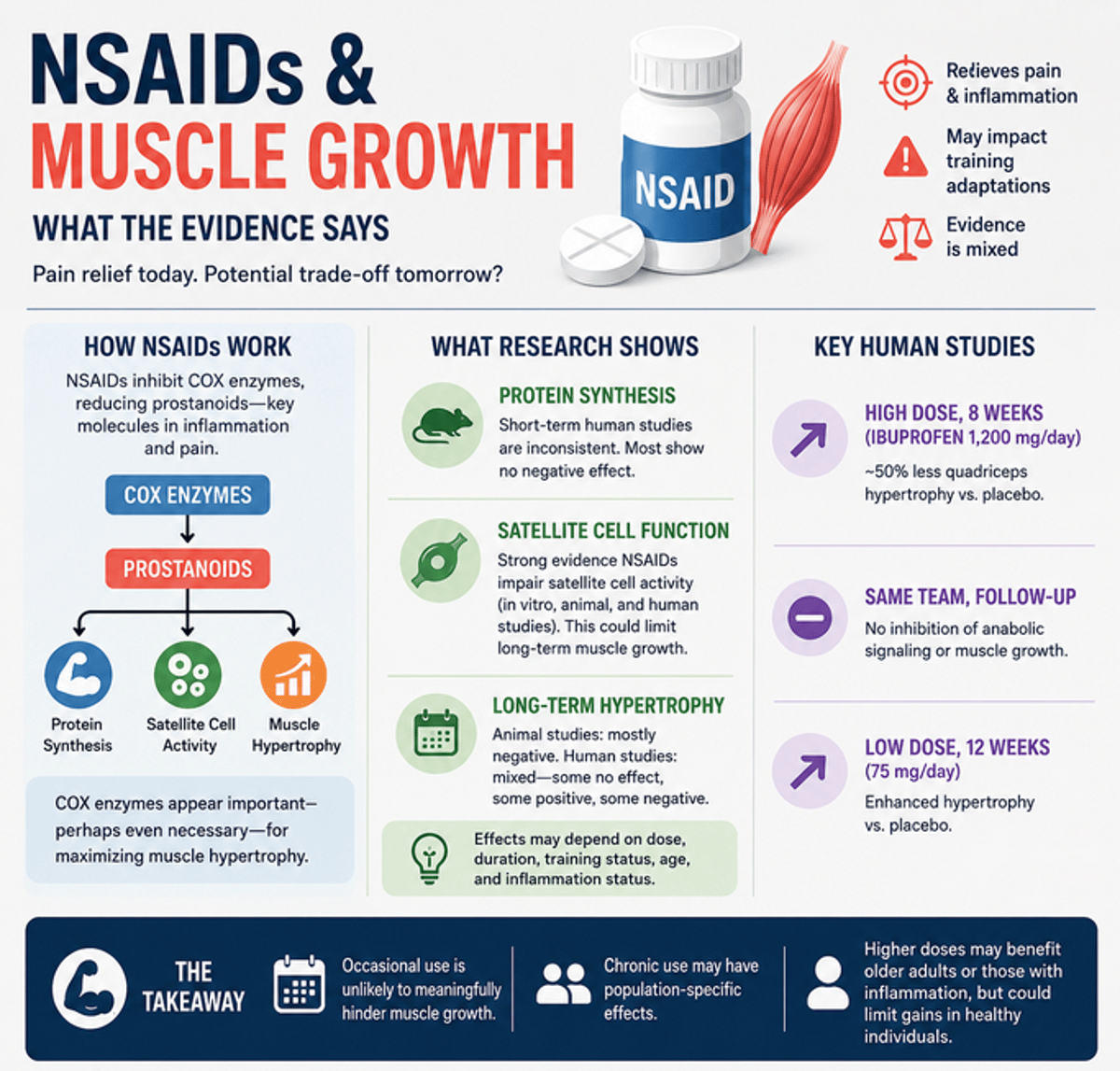
Millions of people routinely take nonsteroidal anti-inflammatory drugs (NSAIDs), such as Advil and Motrin, with usage being especially common among individuals who exercise. Emerging research shows that NSAIDs effectively reduce pain and inflammation, but may influence muscle-building processes. Here are some...
Muscle Damage Not Required for Hypertrophy Gains
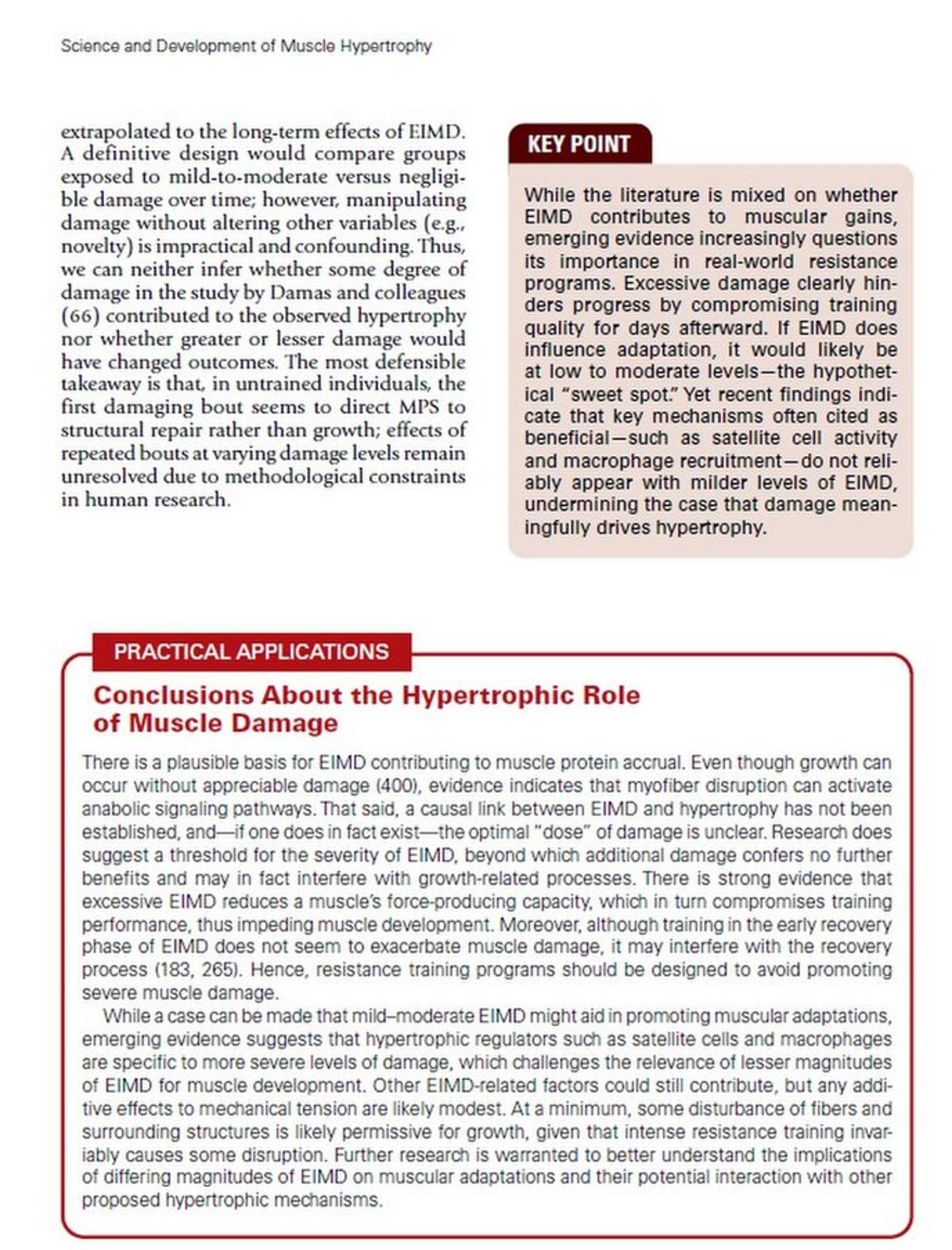
I received the final proofs for the 3rd edition of my textbook, "Science and Development of Muscle Hypertrophy." Looking back, it’s remarkable to see how much hypertrophy science has advanced over the past decade. One of the ...
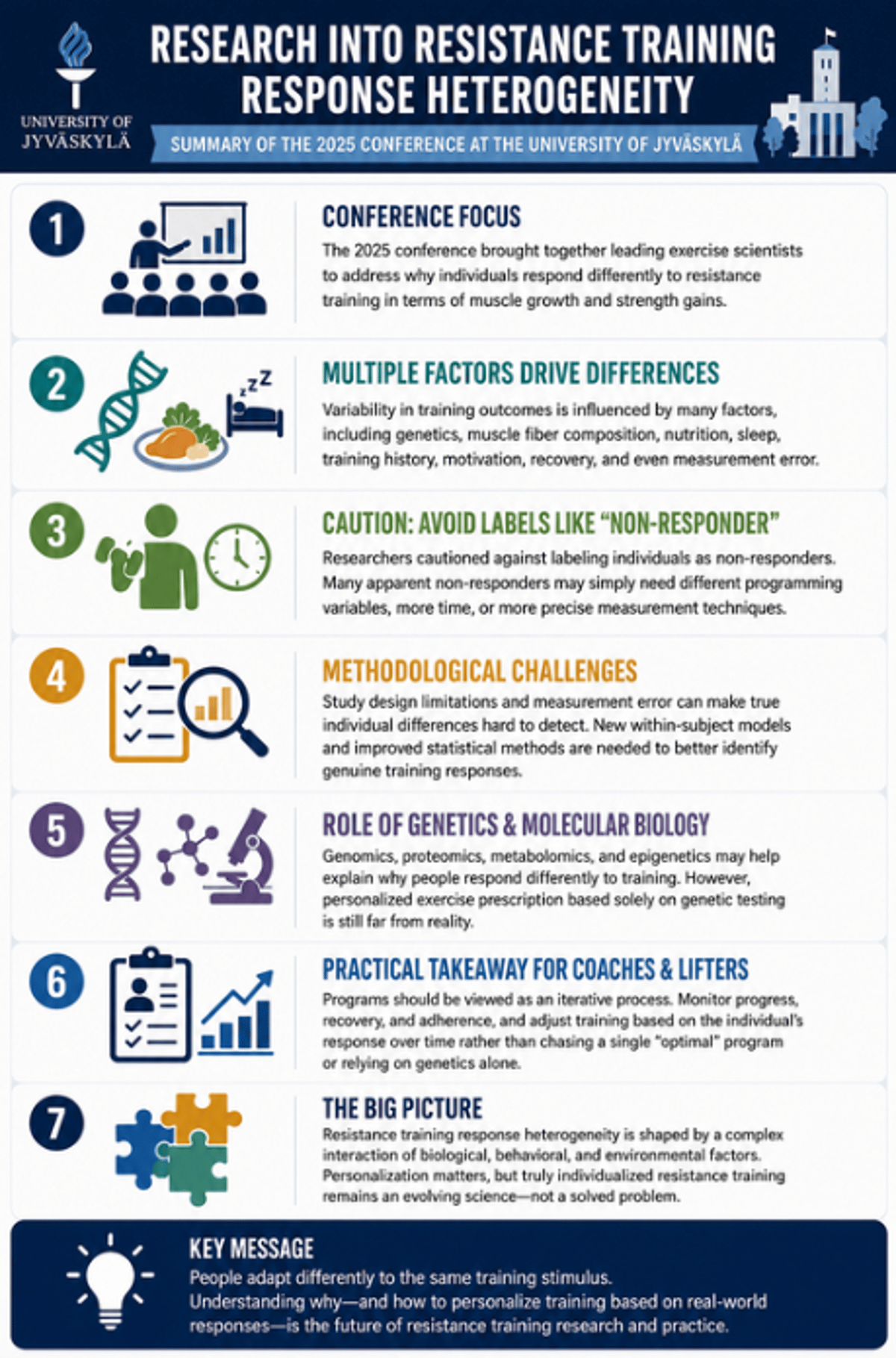
Individual Training Gains Depend on Multiple Factors, Not Genetics Alone
For those who weren't able to make it to the Inter-Individual Variation in Resistance Training Response Conference in Finland last year, a summary of the conference proceedings has been published in JAP. The conference brought together some of the top...

Power Training Boosts Functional Mobility in Older Adults
Our meta-analysis, led by @ExerciseBiology, compared power training (performing the concentric phase explosively with a controlled eccentric action) vs traditional strength training tempos in adults aged 60 years and older. Results indicated that power training produced a modest...

Third Edition Muscle Hypertrophy Textbook Now Open for Preorder
Super excited to share that the 3rd edition of my textbook, "Science and Development of Muscle Hypertrophy," is now available for preorder on Amazon. This revision has been several years in the making, reflecting the substantial body of new...
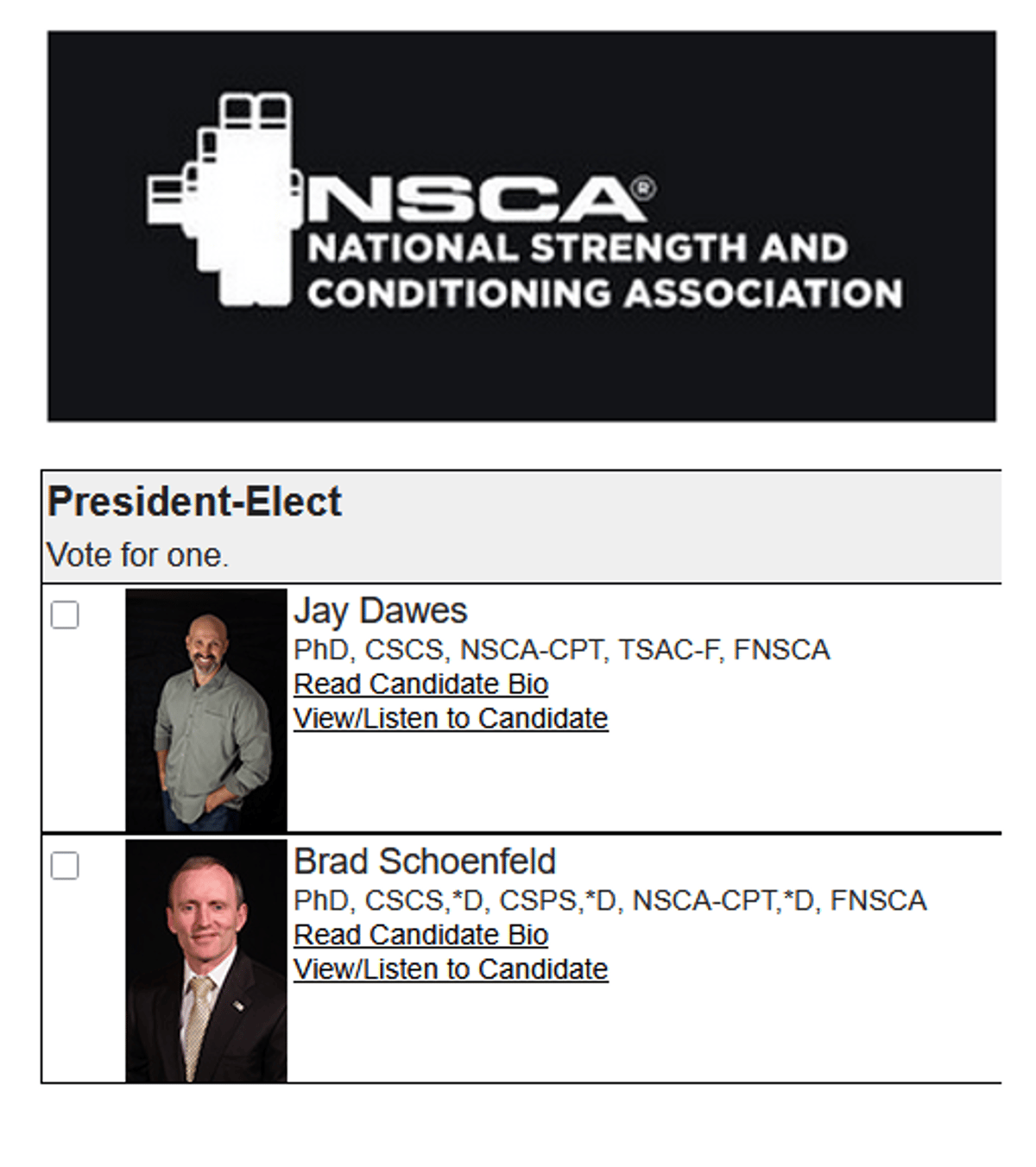
Vote for NSCA President Candidate, Make Your Voice Heard
I’m truly honored to be selected as a candidate for NSCA President. Having been a member of the NSCA for more than 25 years, the organization has played a pivotal role in my development as a fitness ...
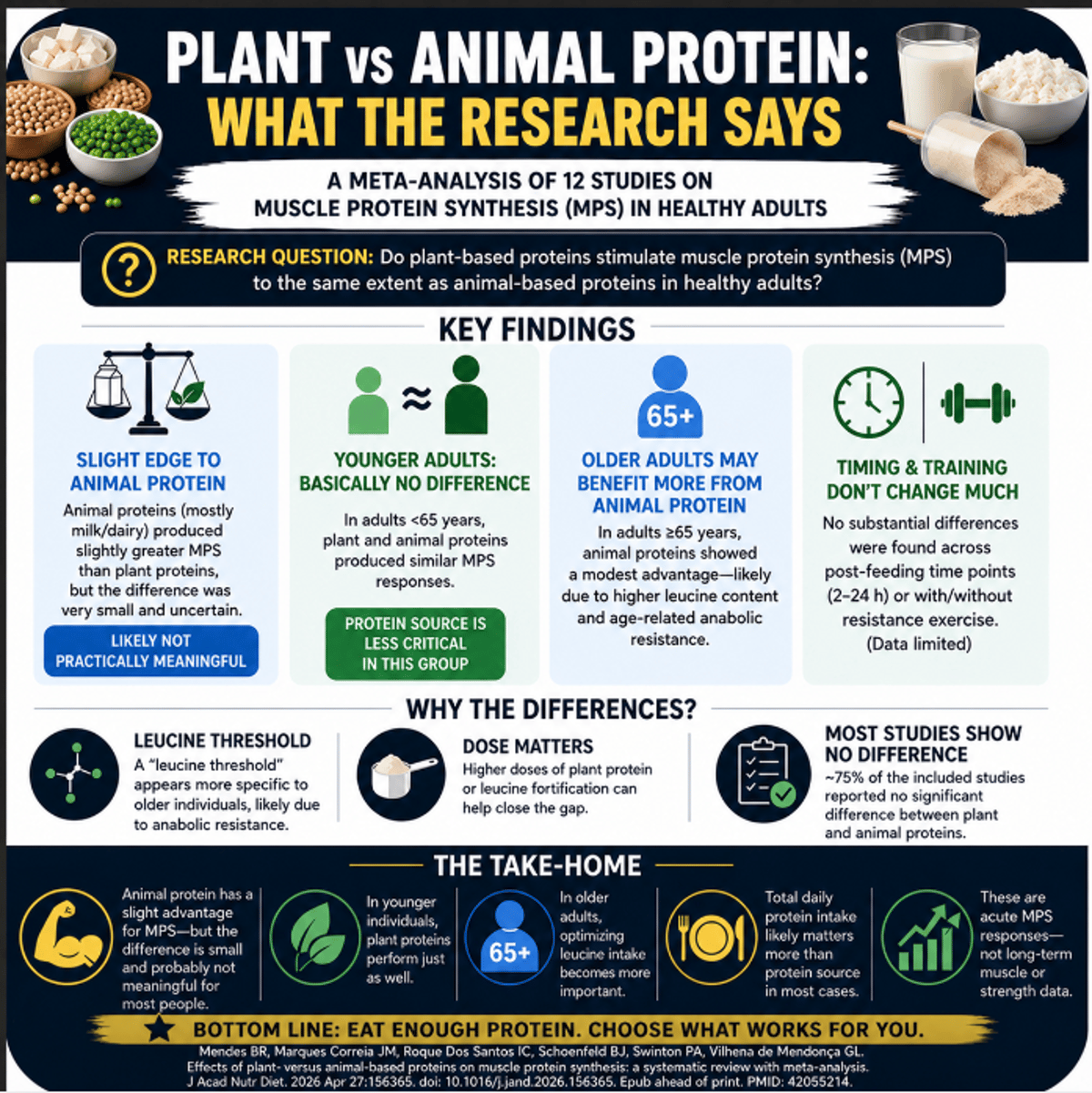
Animal Protein Edge Limited to Older Adults, Leucine Key
Our recently published meta-analysis found that animal-based proteins confer a modest advantage in stimulating muscle protein synthesis (MPS) compared to plant-based proteins (PMID: 42055214). At first glance, this might suggest a benefit to prioritizing animal protein for muscle building. However, the...

Optimal Warm‑up Set Count Before First Working Set
General question for lifters: How many specific warm up sets do you perform before your working sets (first exercise of the training session)?

High Protein Diet Doesn’t Inflate Internal Organs
Several years ago, a scholarly paper (PMID: 31897480) proposed that consuming high levels of protein (>1.6 g/kg/day) might lead to enlargement of internal organs such as the heart, liver, intestines, and kidneys. The author speculated that protein...
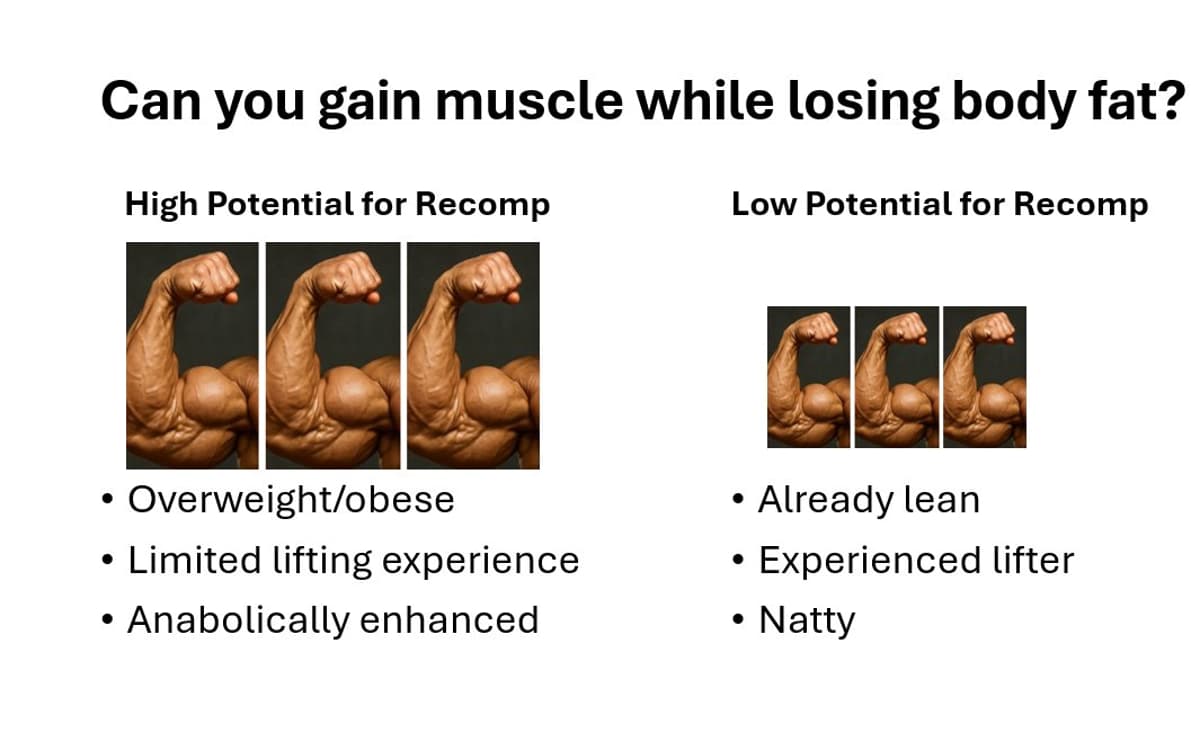
Recomp Is Easier Overweight, Harder as You Get Lean
It’s now well established that you can build muscle while losing fat at the same time. We see this fairly often in research coming out of my lab. What’s less appreciated is that your ability to recomp depends on...
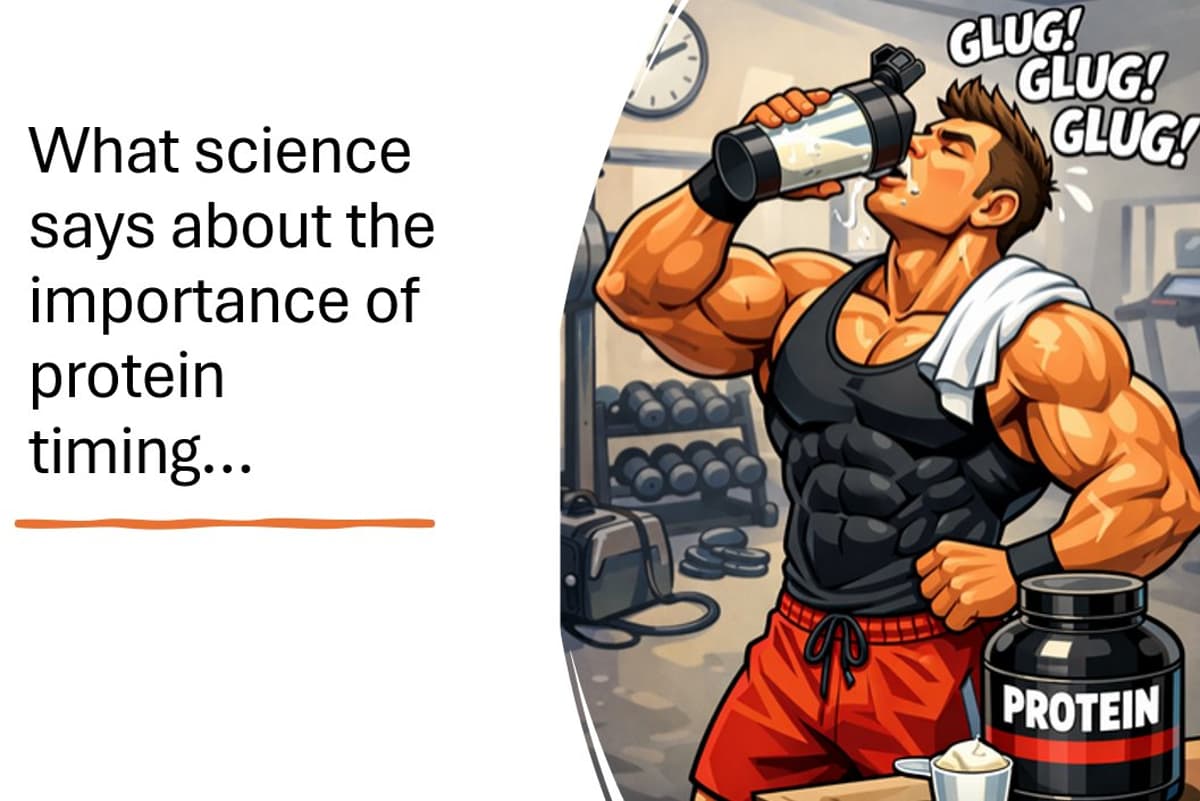
Total Protein, Not Timing, Drives Muscle Growth
Some 20+ years ago, when I was studying exercise science, nutrient timing was viewed as a cornerstone of muscle growth. We were taught about the so-called “anabolic window,” which suggested that protein needed to be consumed within ~45 minutes after...
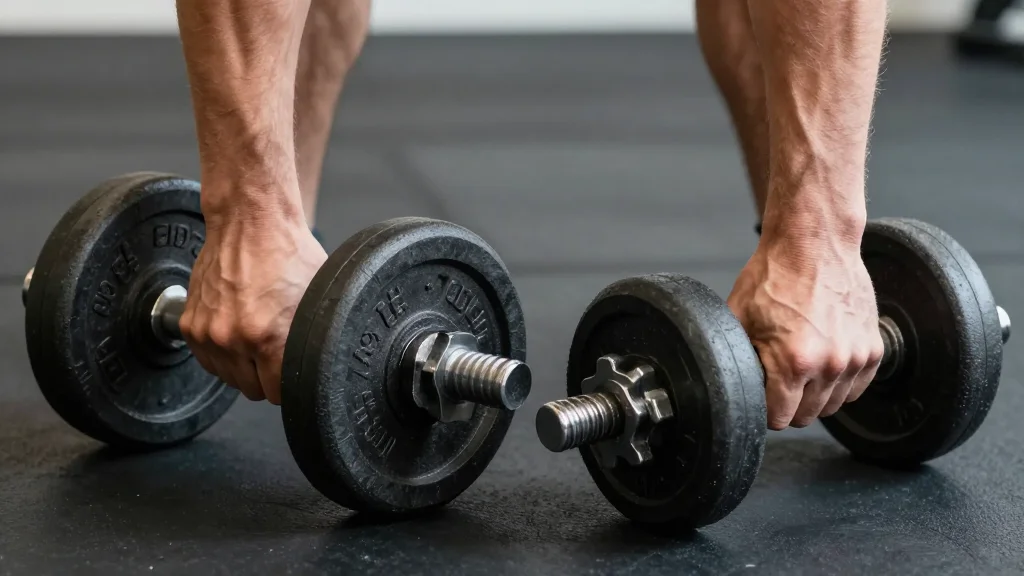
Load Choice Doesn’t Matter for Muscle Growth—Pick What Works
There is strong evidence that similar hypertrophy can be achieved across a wide range of loading schemes (~5 to 30+ repetitions), provided sets are performed close to muscular failure. That said, some data suggest fiber type–specific differences, with heavier loads...

Two 30‑Minute Sessions Weekly Deliver Real Strength Gains
Less than one-quarter of the population performs resistance training on a regular basis. Time is considered the primary barrier to participation. It shouldn't be. An emerging body of evidence shows that as little as two 30-minute resistance training...

Pre‑exhaustion Offers No Advantage over Straight Sets
A common bodybuilding strategy is to perform a single-joint exercise for a given muscle group immediately before a multi-joint exercise that targets the same muscle group. The rationale is that pre-fatiguing the target muscle may allow it to receive...